Engineering Wire Mesh Belts for Heat Treatment and Oven Lines
Learn how to select and maintain wire mesh belts for high-temperature ovens and heat treatment lines, covering alloy selection, thermal expansion, and tracking.
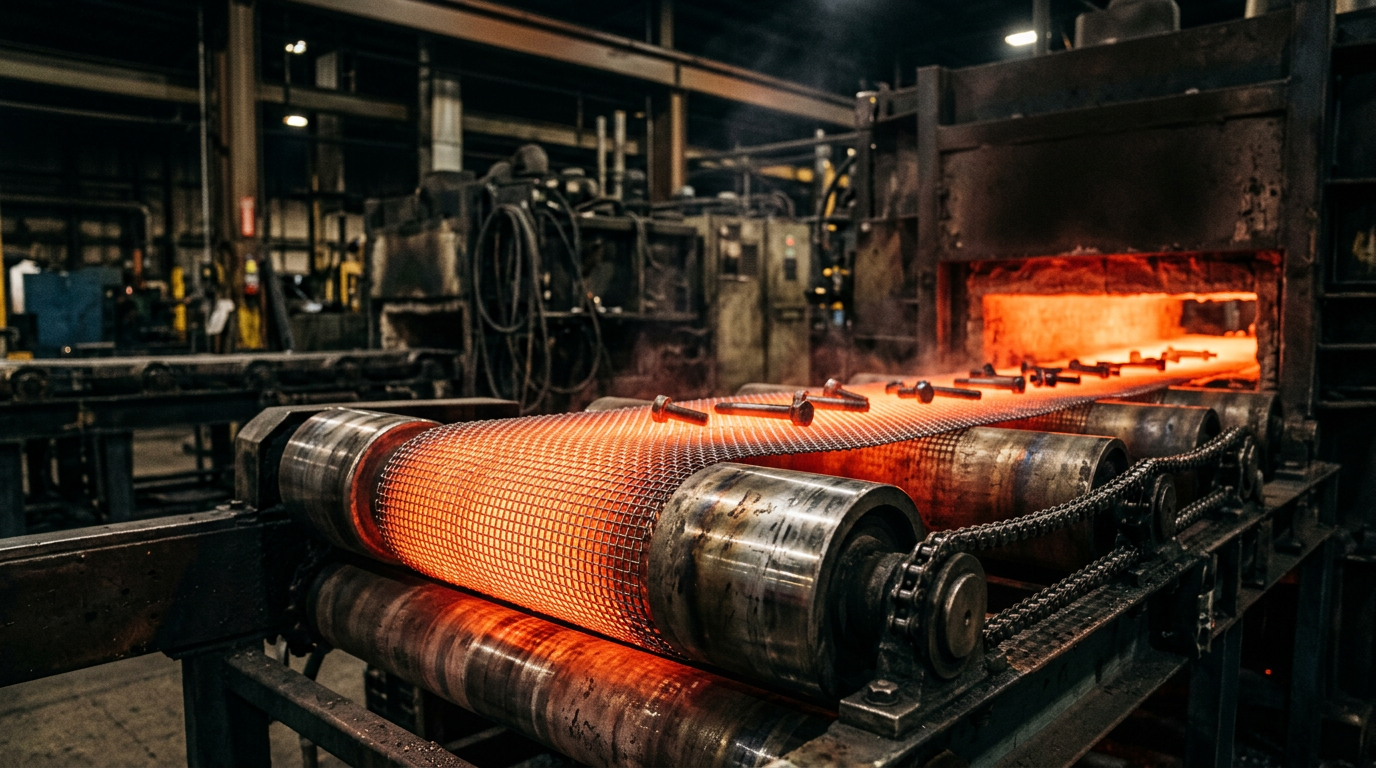
Industrial wire mesh belts for heat treatment and oven lines are engineered to withstand extreme thermal gradients ranging from -50°C to over 1,150°C while maintaining dimensional stability and load-bearing capacity. These belts typically utilize high-chromium and nickel-content alloys, such as AISI 314 or Inconel 601, to prevent oxidation and "green rot" in carburizing atmospheres.
Materials Science in High-Temperature Belting
The selection of the correct alloy is the most critical factor in the longevity of a heat treatment conveyor. Unlike standard modular plastic belts used in ambient sortation, wire mesh belts must resist creep—the tendency of a solid material to move slowly or deform permanently under the influence of persistent mechanical stresses.
Common Alloys and Temperature Ranges
| Alloy Grade | Max Operating Temp | Primary Benefit | Common Applications |
|---|---|---|---|
| AISI 304 | 400°C | Corrosion resistance | Food baking, drying |
| AISI 316 | 450°C | Chemical resistance | Acidic environments, pickling |
| AISI 314 | 1,050°C | High oxidation resistance | Annealing, brazing |
| Inconel 601 | 1,150°C+ | Resistance to carburization | Sintering, hardening |
| Chrome-Core | 800°C | Cost-effective thermal stability | Glass tempering |
For applications exceeding 600°C, the use of stainless steels like AISI 314 is standard due to their higher silicon content, which enhances resistance to oxidation at high temperatures. In specialized vacuum furnaces or sintering lines, advanced nickel-based superalloys are required to prevent the belt from becoming brittle over repeated thermal cycles.
Structural Design and Mesh Types
The geometry of the wire mesh dictates both the airflow characteristics and the belt's ability to track under load. In oven lines, air circulation is paramount for uniform heat transfer.
1. Balanced Weave Belts
The most common choice for industrial ovens, balanced weave belts consist of alternating left- and right-hand spirals joined by a crimped connector. This design neutralizes the tendency of the belt to pull to one side, ensuring straight tracking. According to standards for mechanical power transmission, the "crimped" rod provides a seat for each spiral, preventing longitudinal stretch.
2. Compound Balanced Weave (Cordweave)
Used for heavy loads or small parts (like bolts or ball bearings), this design features multiple spirals and cross-rods per pitch. The result is a very close, flat mesh that provides excellent support for unstable products while retaining significant heat mass, which can be beneficial for maintaining product temperature during short transfers.
3. Flat Wire Belts
Often found in bread baking or cooling lines, flat wire belts offer high open areas (up to 85%) for maximum airflow. These are often driven by positive-drive sprockets, reducing the risk of slippage compared to friction-driven mesh.
Engineering Challenges: Thermal Expansion and Tracking
When a 30-meter conveyor enters a 900°C furnace, thermal expansion is not a suggestion—it is a physical certainty. For example, a stainless steel belt can expand by as much as 15mm per meter when heated from room temperature to 800°C.
Managing Longitudinal Expansion
To accommodate this, oven lines must utilize weighted take-up units or pneumatic tensioning systems. Fixed-center conveyors will fail almost immediately in heat treatment applications as the expanding belt loses tension and begins to bunch at the drive drum.
Lateral Stability and Edge Styles
Edge treatment is vital for safety and belt life.
- Knuckled Edges: The spiral wires are turned back and interlocked. This is standard for low-to-medium heat.
- Welded Edges: Spirals and cross-rods are fused. This is essential for high-temperature furnace belts to prevent the edge wires from snagging on furnace refractories.
- Side Chains: For heavy-duty applications, wire mesh can be attached to side chains. This ensures positive tracking but introduces complexity, as the chain and the mesh must expand at compatible rates to avoid "cambering" or bowing.
Easy Conveyors stocks the conveyor components discussed here — ready to ship across Europe.
Integration with Modular Systems
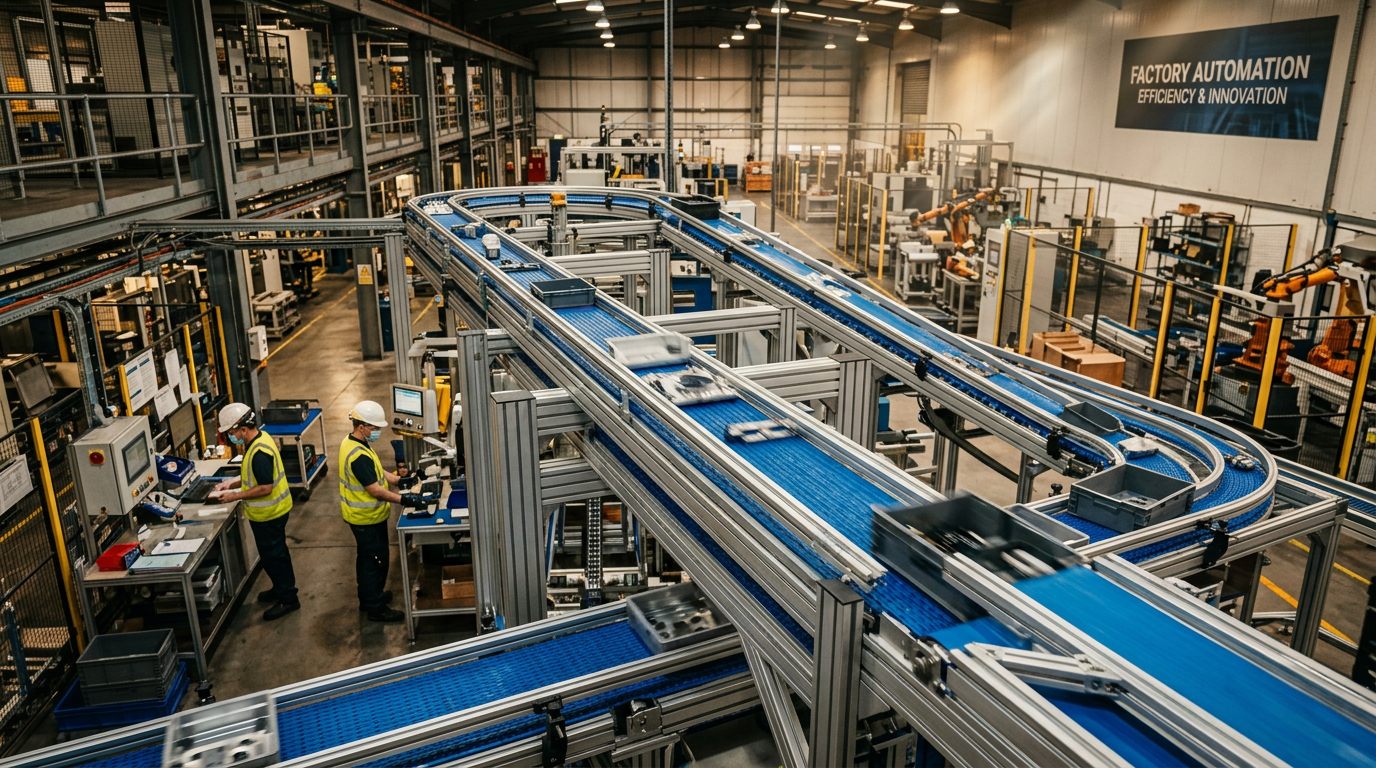
While the furnace section requires specialized wire mesh, the surrounding material handling system often transitions to different conveyor technologies. Easy Conveyors provides the modular aluminum and stainless steel framework necessary to interface these high-heat zones with ambient cooling and packaging lines.
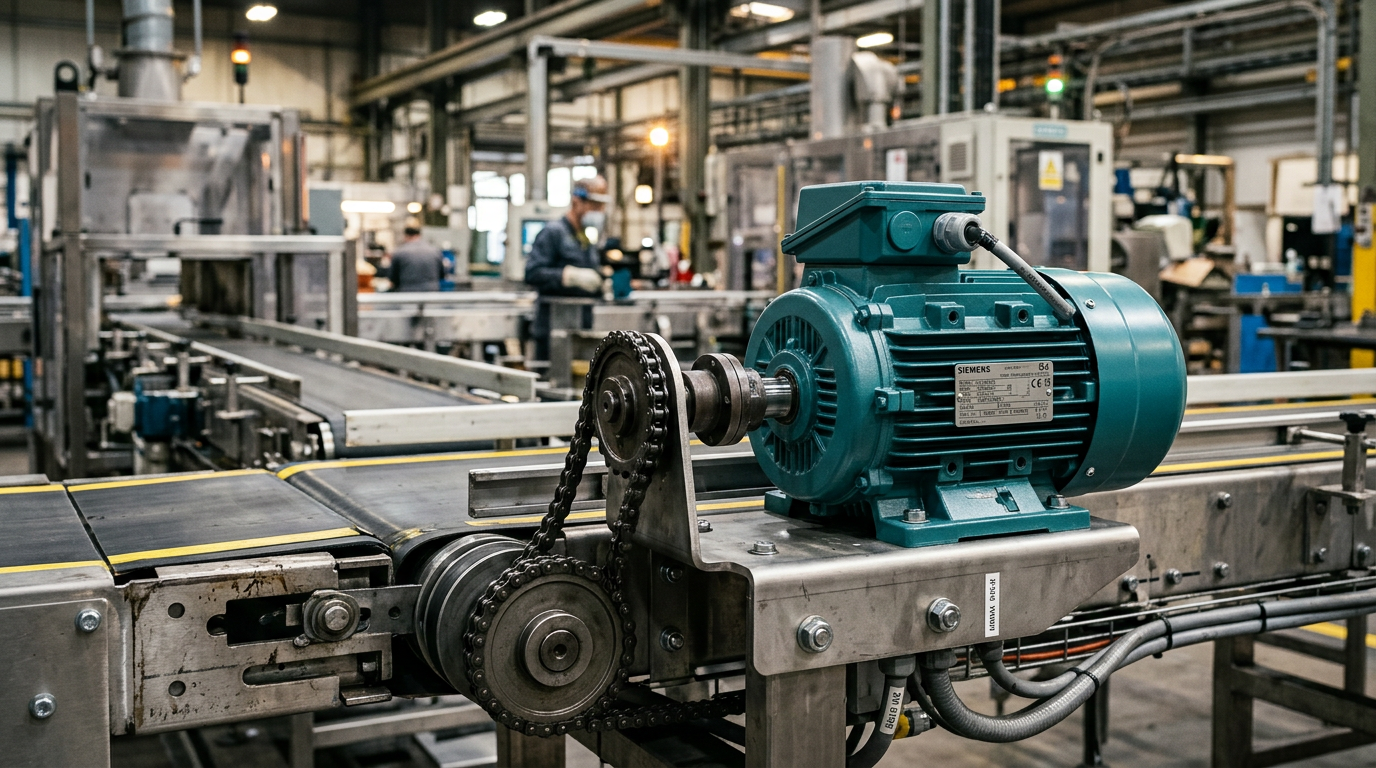
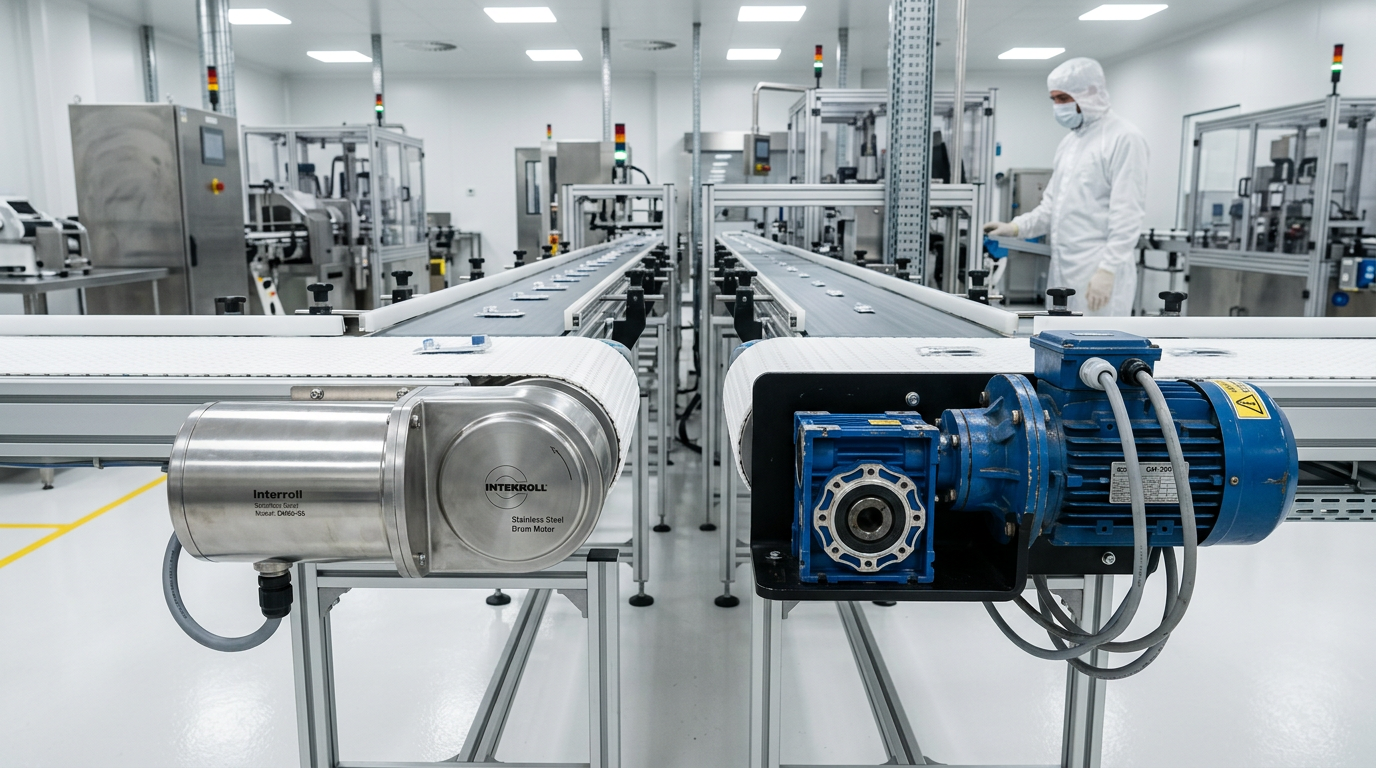
Effective integration requires careful "drum motor selection" to ensure the drive can handle the high friction coefficients often found in heat-affected zones. Furthermore, engineers must consider the transition point where the hot belt exits the oven; using "hygienic wash-down design" principles for the support rollers in this area prevents the buildup of lubricants that could smoke or ignite.
Maintenance and Failure Modes
Carburization and "Green Rot"
In heat treatment atmospheres rich in carbon (like hardening processes), carbon can diffuse into the belt alloy. This makes the wire brittle and prone to cracking. Regular inspection for "magnetic" properties in normally non-magnetic 300-series stainless steels can indicate carbon pickup.
Belt Surging
In long ovens, a phenomenon known as "surging" or "slip-stick" can occur. This happens when the friction between the belt and the wear strips varies, causing the belt to move in a jerky motion. This is often mitigated by using high-temperature graphite or ceramic wear strips and ensuring the "VFD soft-start tuning" is optimized to dampen mechanical oscillations.
Cleaning and Hygiene
For food-grade oven lines, compliance with FDA and EHEDG guidelines is mandatory. Wire mesh belts are inherently difficult to clean due to the interstitial spaces between wires. Automated CIP (Clean-In-Place) systems utilizing high-pressure steam or caustic sprays are often integrated into the return path of the belt.
Technical Selection Criteria
When specifying a belt for a new heat treatment line, engineers should follow a strict hierarchy of requirements:
- Maximum Operating Temperature: Determines the base alloy.
- Product Weight and Dimensions: Determines the mesh density and wire gauge.
- Atmosphere Chemistry: Dictates whether specialized coatings or high-nickel alloys are needed to resist corrosion or carburization.
- Drive Type: Friction drives are simpler but positive sprocket drives prevent slippage in oily or high-load conditions.
By adhering to these engineering principles and referencing standards such as ISO 2148, operations managers can significantly extend the Mean Time Between Failure (MTBF) of their thermal processing lines. Failure to account for the interplay between metallurgy and mechanical expansion is the leading cause of premature conveyor failure in industrial ovens.
Frequently Asked Questions
Why is AISI 314 stainless steel common in furnace belts?
AISI 314 is preferred for temperatures up to 1,050°C because its high silicon content creates a protective oxide layer that resists scaling and oxidation better than 304 or 316 grades.
How do you manage belt stretch in a 900°C oven?
Thermal expansion can cause a belt to lengthen by over 1% of its total length at furnace temperatures. Weighted gravity take-ups or pneumatic tensioners are required to absorb this slack and maintain drive friction.
What is the difference between balanced weave and cordweave?
Balanced weave uses alternating spirals to counteract lateral movement, while cordweave uses multiple nested spirals to create a high-density, flat surface for small or heavy parts.
What is the typical lifespan of a heat treatment belt?
A standard wire mesh belt in a continuous annealing furnace typically lasts 9 to 24 months, depending on the load, temperature cycling frequency, and atmosphere chemistry.