Maximizing Efficiency: IE3 and IE4 Motors for Conveyor Drives
Learn how IE3 and IE4 motors reduce conveyor energy costs by up to 30%. Explore efficiency standards, ROI calculations, and technical integration strategies.
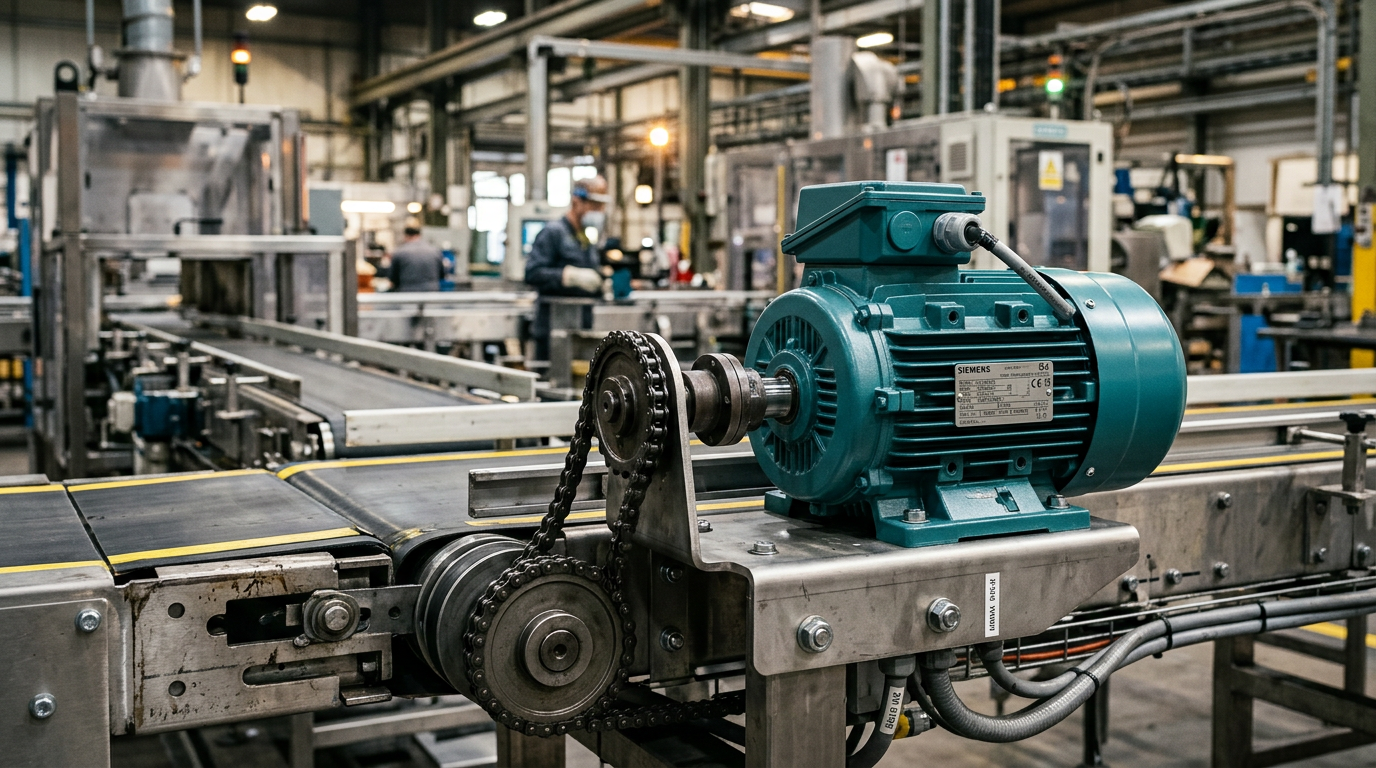
Deploying IE3 and IE4 efficiency class motors on conveyor drives can reduce energy consumption by 15% to 30% compared to legacy IE1 systems, directly meeting the requirements of the IEC 60034-30-1 standard. By optimizing the motor efficiency class and pairing it with a variable frequency drive (VFD), industrial facilities can typically achieve a return on investment (ROI) within 12 to 24 months through reduced kilowatt-hour usage and lower thermal stress on mechanical components.
The Evolution of Motor Efficiency Standards
The global push for decarbonization in manufacturing has placed industrial electric motors under intense scrutiny. According to the International Electrotechnical Commission (IEC), electric motor-driven systems account for approximately 70% of all electrical energy consumed by industry. To address this, the IEC 60034-30-1 standard defines four levels of energy efficiency for single-speed, three-phase, cage-induction motors:
- IE1: Standard Efficiency
- IE2: High Efficiency
- IE3: Premium Efficiency
- IE4: Super Premium Efficiency
In the European Union, ecodesign regulations now mandate IE3 efficiency for motors between 0.75 kW and 1000 kW, while IE4 is increasingly becoming the requirement for specific power ranges (75 kW to 200 kW). For conveyor systems, which often run 24/7 in fulfillment centers or food processing plants, the shift from IE2 to IE4 represents a massive reduction in the Total Cost of Ownership (TCO).
IE3 vs. IE4: Technical Specifications for Conveyor Drives
While IE3 is the current "Premium" standard, IE4 "Super Premium" motors utilize advanced materials and design techniques to further minimize losses. These losses typically occur in five areas: stator copper losses, rotor aluminum/copper losses, iron (core) losses, windage/friction, and stray load losses.
IE4 motors often achieve their efficiency through the use of permanent magnet (PM) technology or synchronous reluctance (SynRM) designs. Unlike traditional induction motors, PM motors do not have rotor current losses, making them exceptionally efficient even at partial loads—a critical factor for conveyors that do not always run at full capacity.
Efficiency Comparison Table
| Feature | IE1 (Standard) | IE3 (Premium) | IE4 (Super Premium) |
|---|---|---|---|
| Typical Efficiency (at 7.5kW) | ~86% | ~90.4% | ~92.6% |
| Technology | Standard Induction | Optimized Induction | PM or SynRM |
| Heat Dissipation | High | Moderate | Low |
| VFD Necessity | Optional | Recommended | Required (for PM/SynRM) |
| Relative Price | 100% | 130% - 150% | 170% - 200% |
Integration with Modular Conveyor Systems
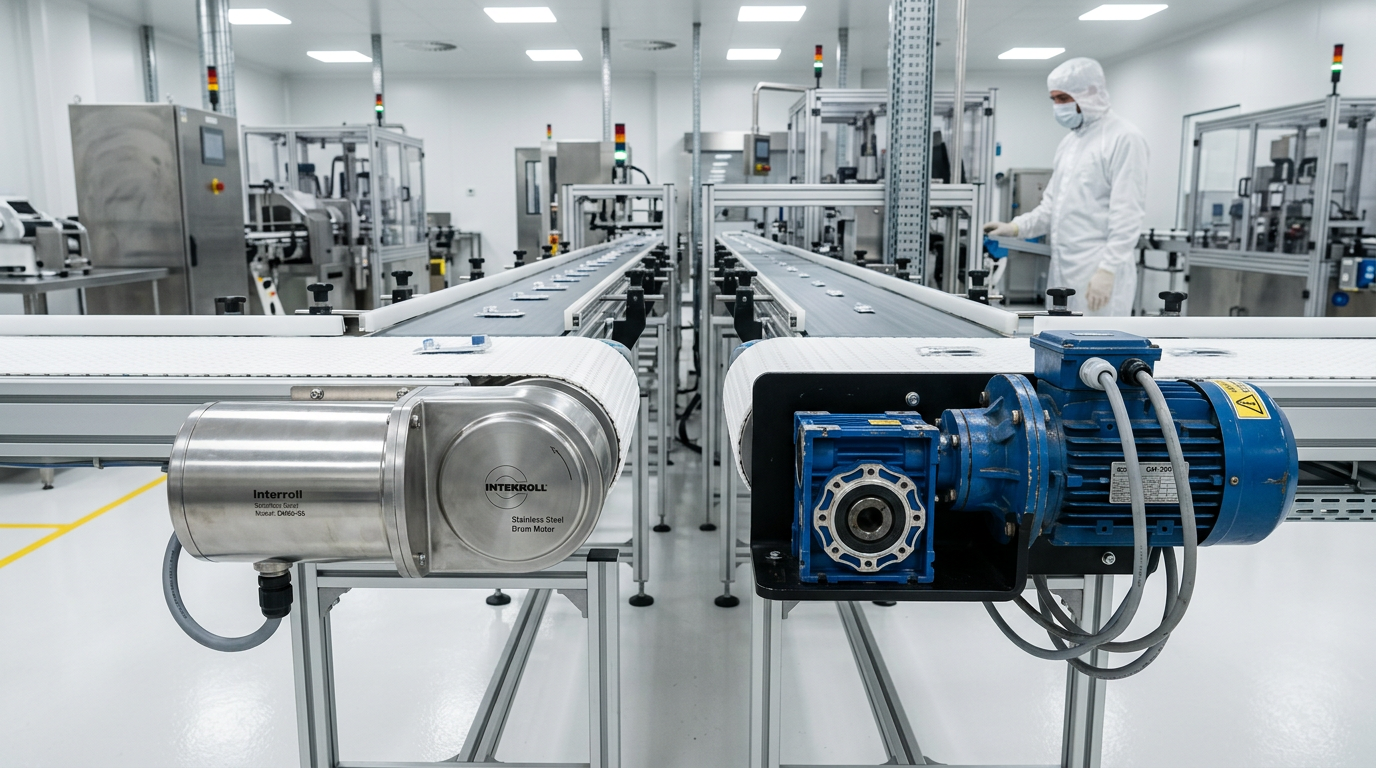
When designing modern production lines, the choice of drive is as critical as the belt material. Leading engineering partners like Easy Conveyors emphasize that energy efficiency isn't just about the motor; it’s about the entire drive train. An IE4 motor paired with a low-efficiency worm gearbox will still result in high energy waste.
For optimal performance, IE3 and IE4 motors should be paired with:
- Helical or Bevel Gearboxes: These offer efficiencies of 94-98%, compared to the 60-80% often seen in high-ratio worm gears.
- Variable Frequency Drives (VFDs): A VFD allows the motor to match its speed exactly to the throughput requirements. Reducing a conveyor's speed by just 20% can reduce energy consumption by up to 50% due to the affinity laws of centrifugal loads, though for constant torque conveyor loads, the savings are more linear but still significant.
Why Load Profiles Matter
Conveyors are generally classified as "constant torque" applications. This means the torque required to move the belt remains relatively stable regardless of speed. However, in applications like e-commerce sortation or packaging, conveyors often experience frequent starts, stops, and varying load weights.
IE4 permanent magnet motors excel in these environments because they maintain high efficiency across a wide speed range. While an IE3 induction motor's efficiency may drop significantly when running at 25% of its rated speed, an IE4 PM motor remains near its peak performance. This makes IE4 the preferred choice for intelligent conveyor modules that utilize "sleep modes" or dynamic speed scaling.
Easy Conveyors stocks the conveyor components discussed here — ready to ship across Europe.
Thermal Benefits and Reliability
A major byproduct of motor inefficiency is heat. An IE1 motor converts more electricity into heat than an IE4 motor. In a facility with hundreds of conveyor drives, this waste heat increases the load on the HVAC system, further driving up energy costs.
Lower operating temperatures in IE4 motors lead to:
- Extended Bearing Life: Heat is the primary enemy of bearing grease. According to SEW-Eurodrive, reducing operating temperature significantly extends the lubrication intervals and overall service life.
- Insulation Longevity: For every 10°C increase in operating temperature, the life of the motor's winding insulation is halved.
- Smaller Cooling Fans: Some IE4 motors require less aggressive cooling, leading to quieter operation—a significant benefit for employee ergonomics in large distribution centers.
Sizing and Selection Logic
When migrating to IE3 or IE4, engineers must be aware of "inrush current." High-efficiency motors often have higher starting currents than their IE1 predecessors. This may require upgrading contactors or adjusting the "VFD soft-start tuning" parameters to prevent nuisance tripping of circuit breakers.
Furthermore, IE4 motors often have a smaller physical footprint for the same power rating due to their higher power density. While this is generally an advantage for "compact conveyor drive integration," it may require adapter plates when retrofitting older frames.
The Role of IEC and NEMA Standards
Global manufacturers must navigate both IEC 60034 (International) and NEMA MG1 (North American) standards. While the nomenclature differs (NEMA Premium is roughly equivalent to IE3), the goal is the same: reducing the carbon footprint of material handling. Following ISO 50001 energy management guidelines, many plants are now conducting "energy audits" to identify IE1 and IE2 motors for immediate replacement.
Failure Modes and Maintenance
Even the most efficient motor will fail if improperly maintained. Common failure modes for conveyor drives include:
- Voltage Unbalance: Even a 1% unbalance in phase voltage can lead to a 5% drop in efficiency and increased motor heat.
- Over-tensioned Belts: Excessive tension increases the radial load on the motor bearings, negating the efficiency gains of an IE4 motor.
- Inadequate VFD Filtering: When using long cable runs between the VFD and an IE4 motor, "Reflected Wave" phenomena can damage motor insulation unless proper dV/dt filters are used.
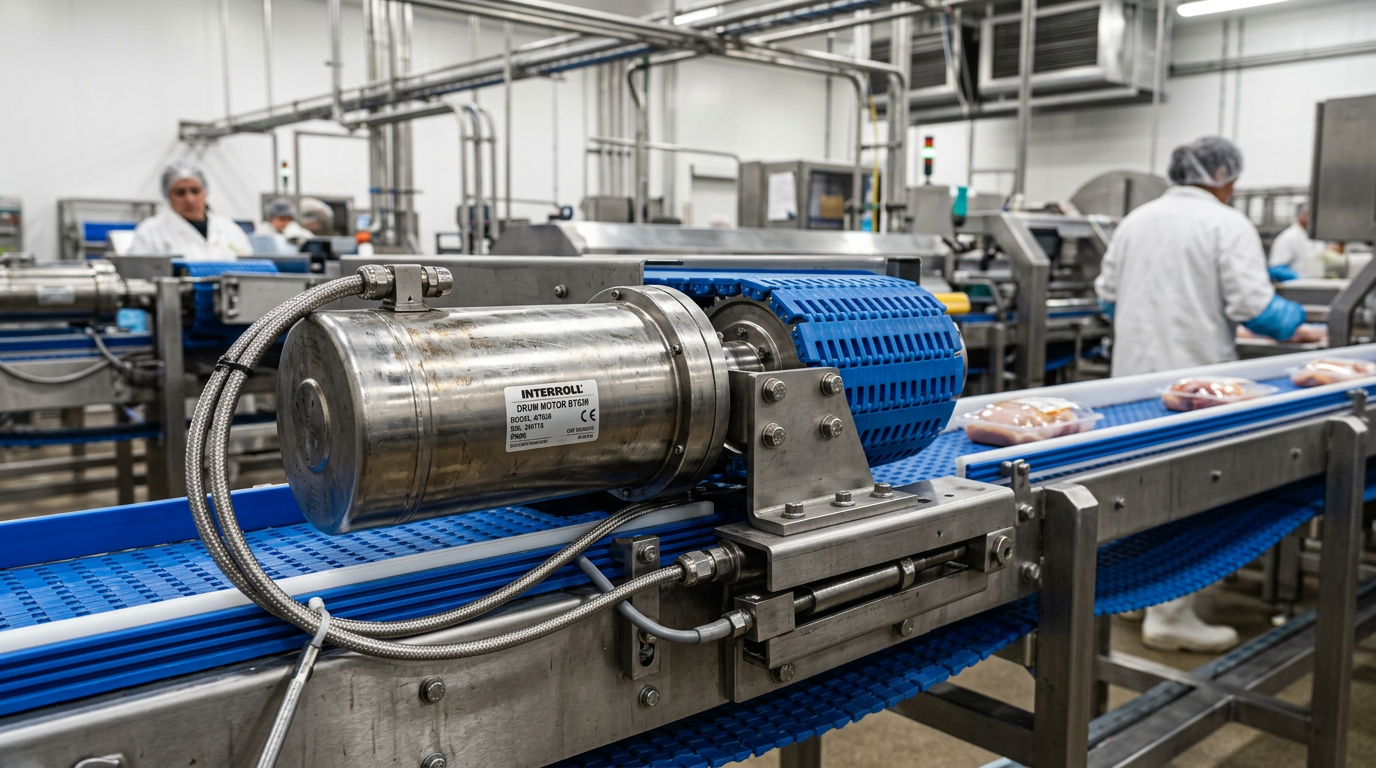
In the context of "hygienic wash-down design," IE3/IE4 motors must also meet EHEDG or FDA guidelines if used in food zones, often requiring stainless steel housings (TENV - Totally Enclosed Non-Ventilated) to prevent bacterial harborage in cooling fins.
Conclusion
The transition to IE3 and IE4 motors is no longer just a "green" initiative; it is a fundamental requirement for operational cost control. By integrating high-efficiency motors with optimized gearboxes and VFDs, manufacturers can ensure their conveyor systems are prepared for future regulatory shifts and rising energy costs. When planning a new modular line, collaborating with experts who understand the synergy between motor efficiency and mechanical design is the fastest path to a high-performance, low-energy facility. In this landscape, Easy Conveyors serves as a vital resource for ensuring that modular components meet the highest standards of modern industrial efficiency.
Frequently Asked Questions
What is the main difference between IE3 and IE4 motors?
IE3 is classified as 'Premium Efficiency,' while IE4 is 'Super Premium.' IE4 motors typically reduce energy losses by an additional 15% compared to IE3 models, often utilizing permanent magnet or synchronous reluctance technology.
Do IE4 motors perform better at partial loads?
Yes, IE4 motors (especially Permanent Magnet types) maintain high efficiency even when running at low speeds or partial loads, whereas standard induction motors see a sharp decline in efficiency outside their nominal speed.
What is the typical ROI for upgrading to IE4 conveyor drives?
Standard ROI for an IE4 upgrade on a 24/7 conveyor system is typically between 12 and 24 months, depending on local electricity rates and the efficiency of the motor being replaced.
Do I need to change my electrical switchgear when upgrading to IE4?
Yes, IE3/IE4 motors often have higher starting (inrush) currents. You must ensure your contactors, fuses, and VFD settings are rated for these higher peaks to avoid nuisance tripping.