Engineering Stainless Steel Modular Belts for Hygienic Wash-Down Environments
Stainless steel modular belts provide superior hygiene and durability in wash-down environments, offering a 50% reduction in biofilm risk compared to fabric alternatives.
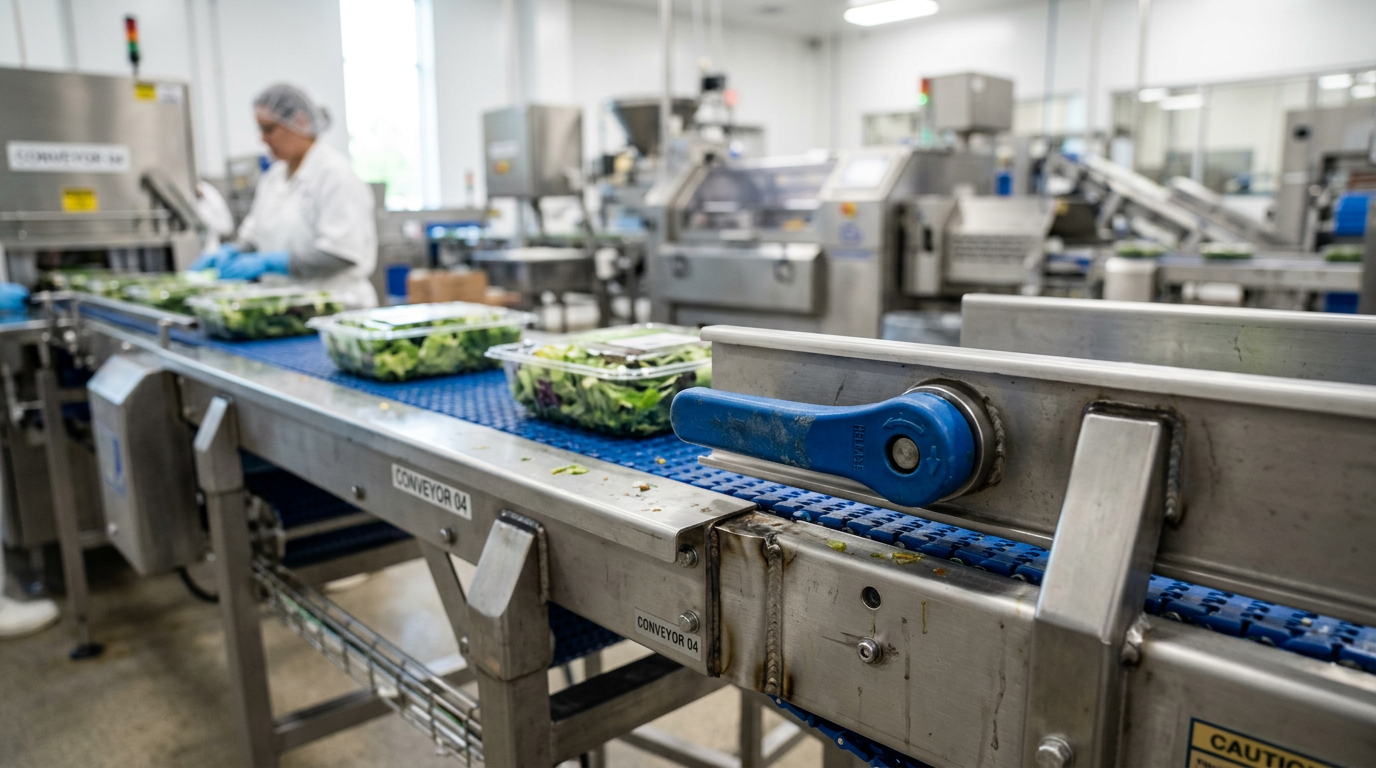
Stainless steel modular belts are the gold standard for hygienic material handling, offering up to a 50% reduction in bacterial biofilm formation compared to traditional fabric belts in intensive wash-down environments. In modern food processing, pharmaceutical manufacturing, and chemical handling, the choice of conveying media is governed by strict sanitary standards such as EHEDG (European Hygienic Engineering & Design Group) and FDA 21 CFR 177, which mandate materials that resist corrosion and microbial growth.
The Engineering Necessity of Stainless Steel in Hygienic Zones
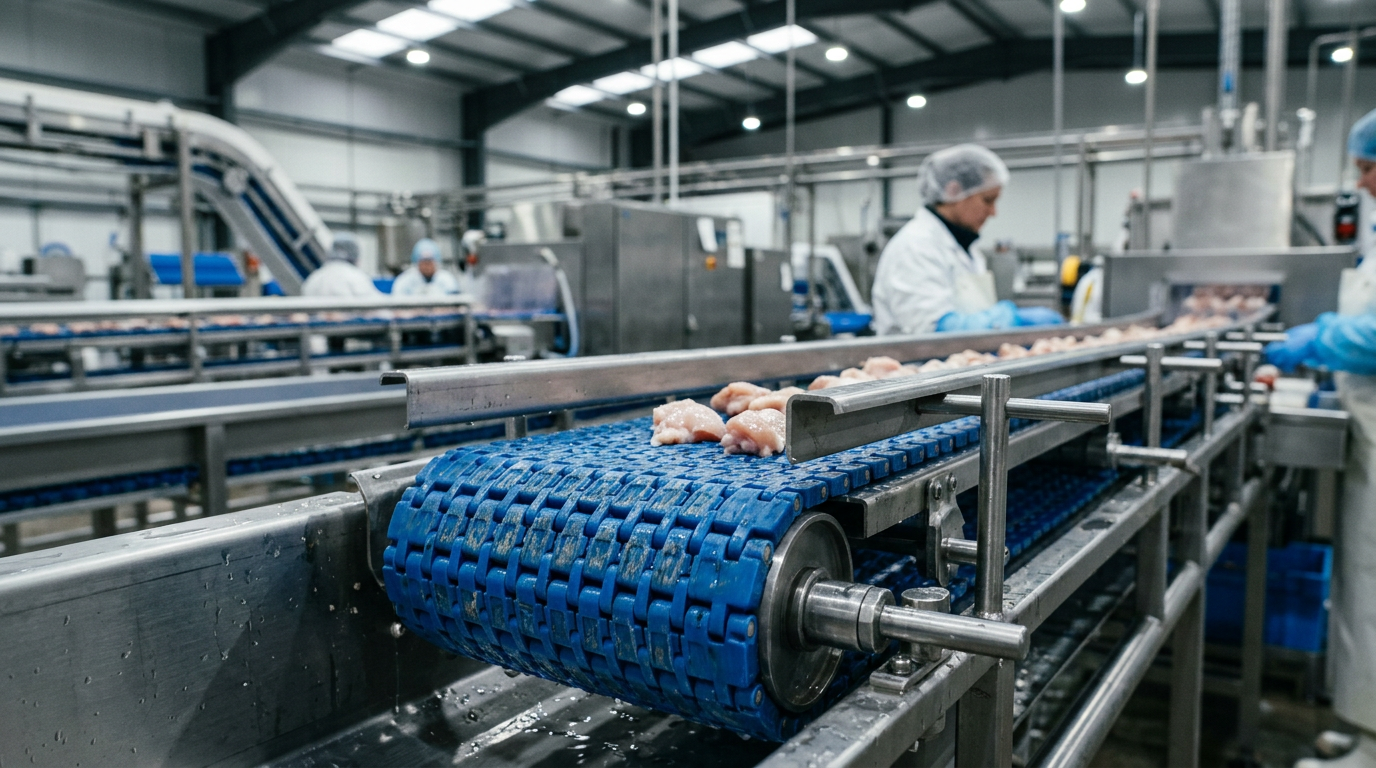
In high-moisture or high-temperature environments, plastic modular belts (typically made of Polypropylene or Polyacetal) face limitations regarding thermal expansion and chemical degradation. Stainless steel modular belts, constructed from AISI 304 or AISI 316L grades, provide a non-porous surface that withstands the aggressive pH levels of cleaning agents and high-pressure water jets (IP69K rating requirements).
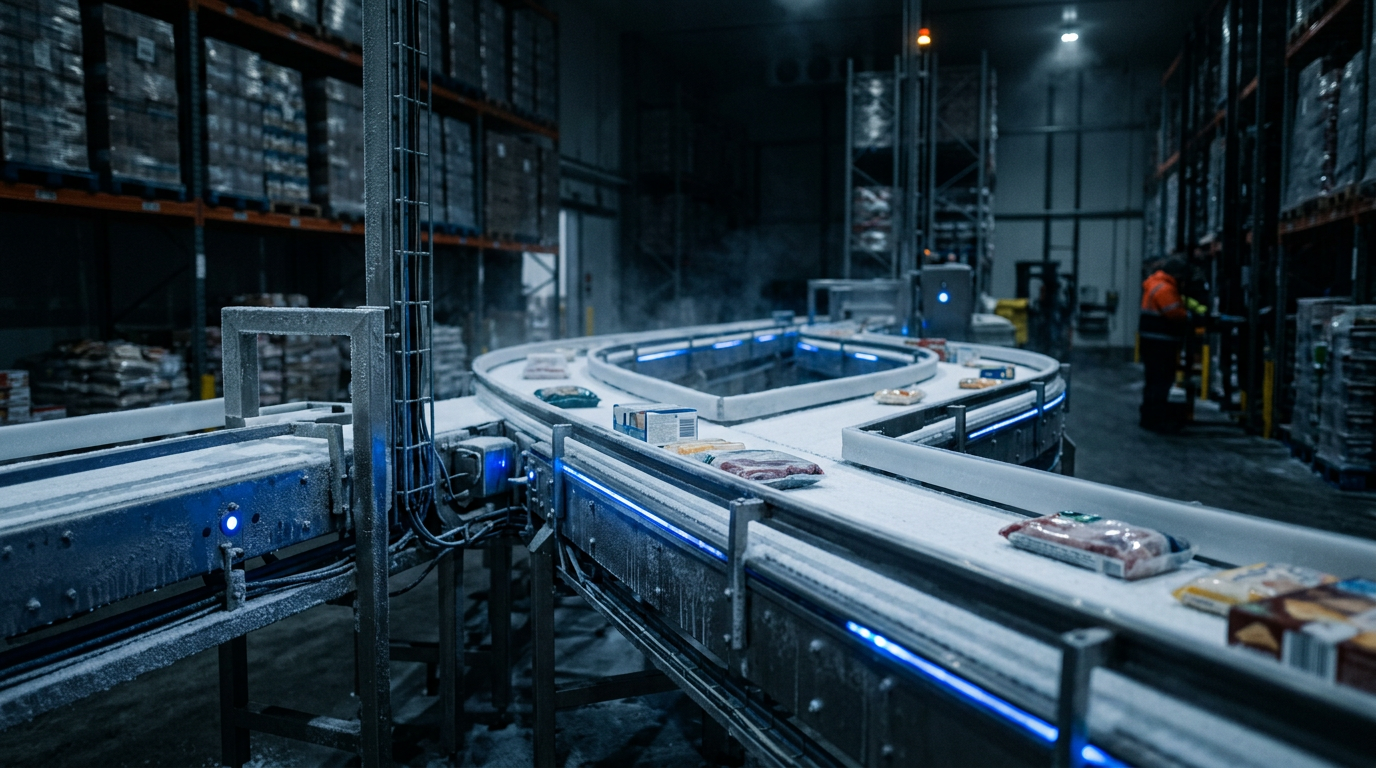
The modular nature of these belts—consisting of interlocking links rather than a continuous flat sheet—allows for superior drainage and air circulation. This is critical for cooling lines, pasteurization, and rapid freezing (IQF) applications where airflow uniformity determines product quality. Unlike continuous stainless steel bands, modular designs are easier to repair; if a single link is damaged, it can be replaced in minutes without specialized welding or splicing equipment.
Material Selection: 304 vs. 316L Grades
The selection of the specific stainless steel alloy is determined by the salinity and acidity of the processing environment.
| Feature | AISI 304 | AISI 316L |
|---|---|---|
| Corrosion Resistance | High (standard food use) | Excellent (high salinity/chlorides) |
| Common Application | Dairy, Bakery, Fruit | Meat, Poultry, Seafood |
| Temperature Range | -40°C to +400°C | -60°C to +450°C |
| Resistance to Pitting | Moderate | High (contains Molybdenum) |
| Cost Index | 1.0 (Baseline) | 1.25 - 1.40 |
For most wash-down environments, AISI 304 is sufficient. However, in applications involving brine, saltwater, or heavy chlorine-based disinfectants, AISI 316L is required to prevent "pitting" and stress corrosion cracking.
Open Area Ratios and Drainage Capabilities
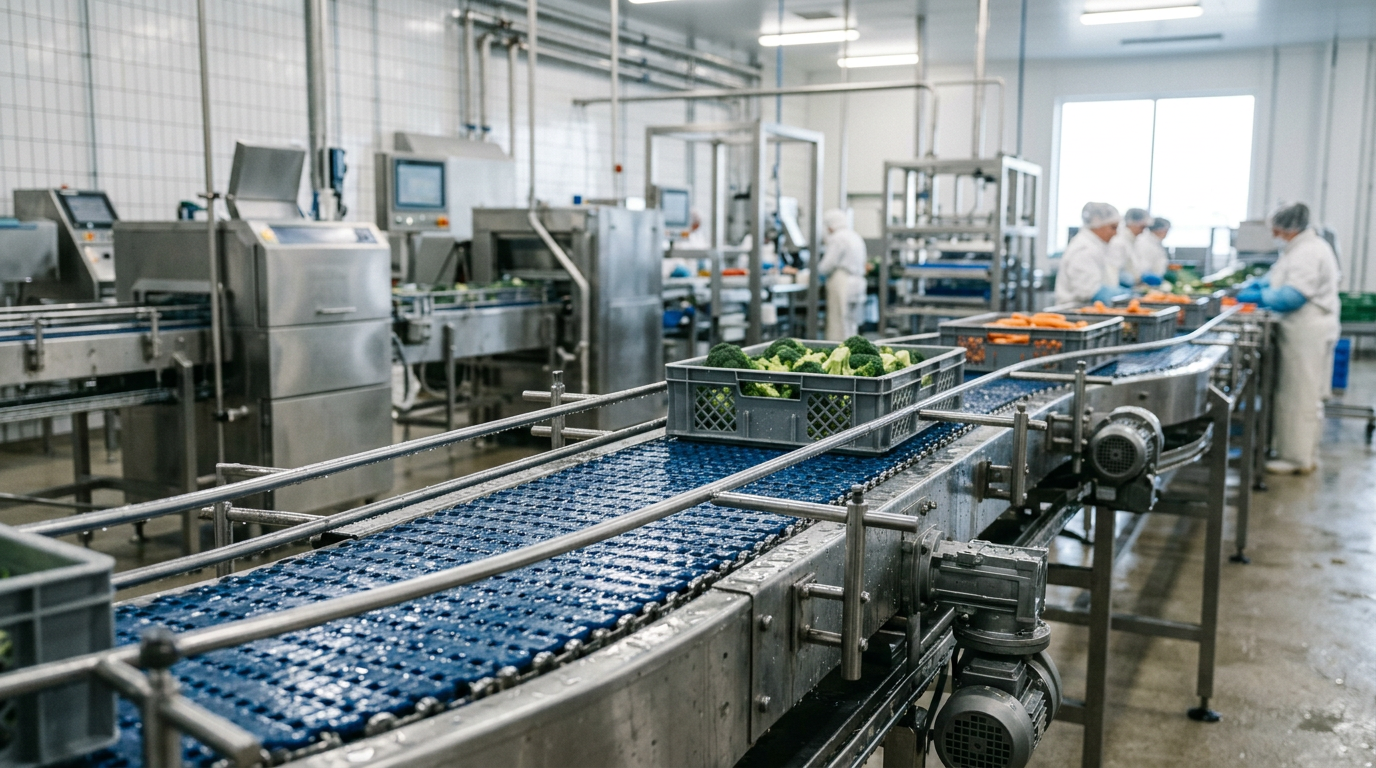
A defining characteristic of stainless steel modular belts is the "Open Area" percentage. This refers to the ratio of openings to the total surface area of the belt. In hygienic wash-down design, an open area of 20% to 50% is common.
- Drainage: High open areas allow water and debris to fall through the belt, preventing the "puddling" that can lead to bacterial growth.
- Clean-in-Place (CIP): Modular belts with large hinge openings facilitate the penetration of cleaning nozzles, ensuring that the "dead zones" behind the pins are thoroughly sanitized.
- Thermal Efficiency: In ovens or freezers, the open structure minimizes the thermal mass of the belt, reducing energy consumption and accelerating heat transfer to the product.
Easy Conveyors stocks the modular systems discussed here — ready to ship across Europe.
Structural Design and Component Synergy
Integrating these belts into a complete system requires a deep understanding of the mechanical interface. To maximize the lifespan of the belt, the support structure must also adhere to hygienic principles. This includes using round-tube frames rather than C-channels to prevent debris accumulation and ensuring all welds are continuous and polished.
For manufacturers looking to integrate these components into high-performance lines, Easy Conveyors offers specialized expertise in modular conveyor systems, providing the engineering support needed to match belt specifications with specific throughput requirements.
Drive Systems and Sprocket Engagement
Stainless steel modular belts rely on positive drive systems. Unlike flat belts that depend on friction (and thus high tension), modular belts are driven by sprockets that engage with the underside of the links. This reduces the load on bearings and motors.
- Sprocket Material: Typically made of high-density polyethylene (HDPE) or reinforced nylon to reduce metal-on-metal wear.
- Tracking: Because they are positively driven, modular belts do not suffer from the tracking issues common in fabric belts, eliminating the need for complex take-up and alignment mechanisms.
Maintenance and Hygiene Protocols (IP69K Compliance)
Maintaining a hygienic environment involves more than just selecting the right belt; it requires a rigorous wash-down protocol. According to IEC 60529, equipment in these zones must often meet IP69K standards, meaning they can withstand high-pressure water at 80°C.
The Five-Step Wash-down Cycle
- Dry Clean: Removing large debris manually before applying water.
- Pre-Rinse: Using low-pressure water (approx. 20 bar) to remove remaining surface soils.
- Detergent Application: Applying foam-based alkaline cleaners to break down fats and proteins.
- Post-Rinse: Thoroughly rinsing all surfaces to remove chemicals.
- Sanitization: Applying a food-grade sanitizer (e.g., Peracetic acid) and allowing it to air dry.
Stainless steel modular belts excel here because they do not absorb moisture or chemicals, preventing the "swelling" that can occur in some plastic modules.
Overcoming Design Challenges: Friction and Noise
While stainless steel offers unparalleled hygiene, engineers must account for two primary factors: weight and noise. Stainless steel belts are significantly heavier than their plastic counterparts, requiring higher-torque drive systems and robust motor selection. Furthermore, the metal-on-metal or metal-on-plastic interaction at high speeds can generate noise levels exceeding 80 dB(A).
To mitigate these issues, engineers often utilize wear strips made of ultra-high molecular weight (UHMW) polyethylene. These strips act as a low-friction "track" for the belt to slide on, reducing both the power consumption of the motor and the acoustic output of the conveyor.
Future Trends in Hygienic Conveying
The industry is moving toward "Active Cleaning" systems where the conveyor itself includes integrated spray bars and ultrasonic cleaning baths. Furthermore, the integration of sensors for VFD soft-start tuning and real-time tension monitoring is becoming standard in Industry 4.0 food plants. By monitoring the current draw on the motor, plant managers can detect when a belt is becoming clogged with debris or when a bearing is failing, allowing for predictive maintenance before a hygiene breach occurs.
In the context of hygienic wash-down design, the transition from traditional fabric or modular plastic to stainless steel represents a significant capital investment, but the ROI is found in reduced sanitation time, lower chemical usage, and the mitigation of catastrophic product recalls. Taking into account factors like thermal expansion and chemical compatibility ensures that the material handling system remains a reliable asset rather than a liability in the production chain.
Frequently Asked Questions
Why choose stainless steel modular belts over plastic for food processing?
Stainless steel is non-porous and resists the aggressive chemicals used in CIP (Clean-in-Place) cycles, whereas some plastics can absorb moisture or degrade under high-pH sanitizers.
What is the difference between 304 and 316L stainless steel for conveyors?
AISI 304 is the standard for most food applications, but AISI 316L (containing molybdenum) is required for high-salt environments like seafood or brine processing to prevent pitting corrosion.
Do stainless steel modular belts require special drive motors?
Yes, because they are heavier and have higher friction coefficients than plastic, they often require high-torque motors and high-efficiency gearboxes.
What are the temperature limits for stainless steel modular belts?
Most stainless modular belts can operate between -60°C and +450°C, making them ideal for both cryogenic freezing and high-heat baking or pasteurization.