Technical Guide: Stainless Steel Modular Belts for Hygienic Wash-Downs
Learn why stainless steel modular belts are essential for food and pharma wash-down environments, covering 304/316L specs, IP69K ratings, and hygienic design.
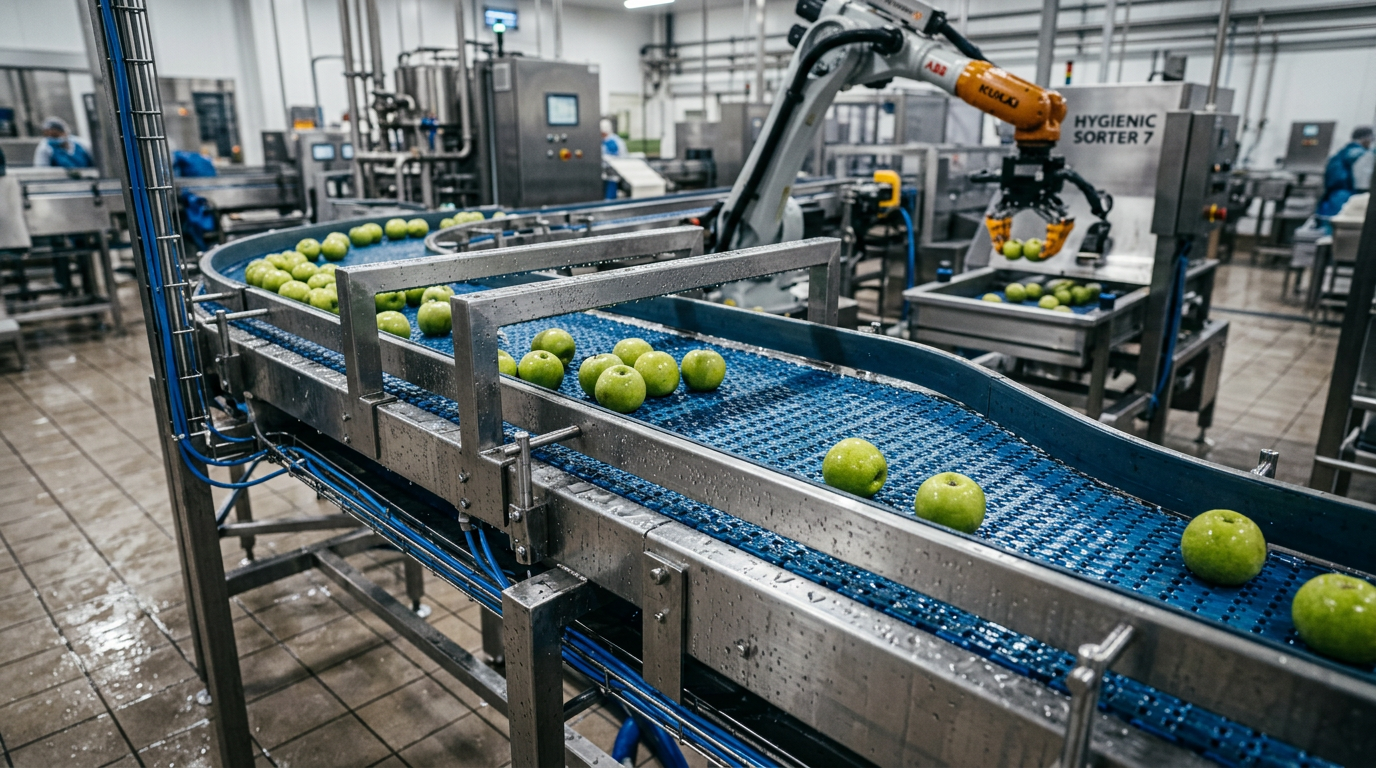
Stainless steel modular belts are specialized material handling solutions engineered from corrosion-resistant alloys, designed specifically to withstand high-pressure chemical wash-downs and maintain stringent hygiene standards in food, pharmaceutical, and chemical processing. These systems integrate the structural integrity of stainless steel frames with advanced belt materials to prevent bacterial growth and ensure compliance with global safety regulations like FDA and EHEDG.
In industrial sectors where contamination is a zero-tolerance risk, the choice of conveyor infrastructure can dictate the success of the entire production line. Standard carbon steel or aluminum conveyors succumb quickly to the aggressive detergents and high-pressure steam required for sanitation. This is where stainless steel modular belts become the industry benchmark.
Key Takeaways
- Corrosion Resistance: Grade 304 or 316L stainless steel provides the necessary resistance to oxidation and chemical degradation during sanitization.
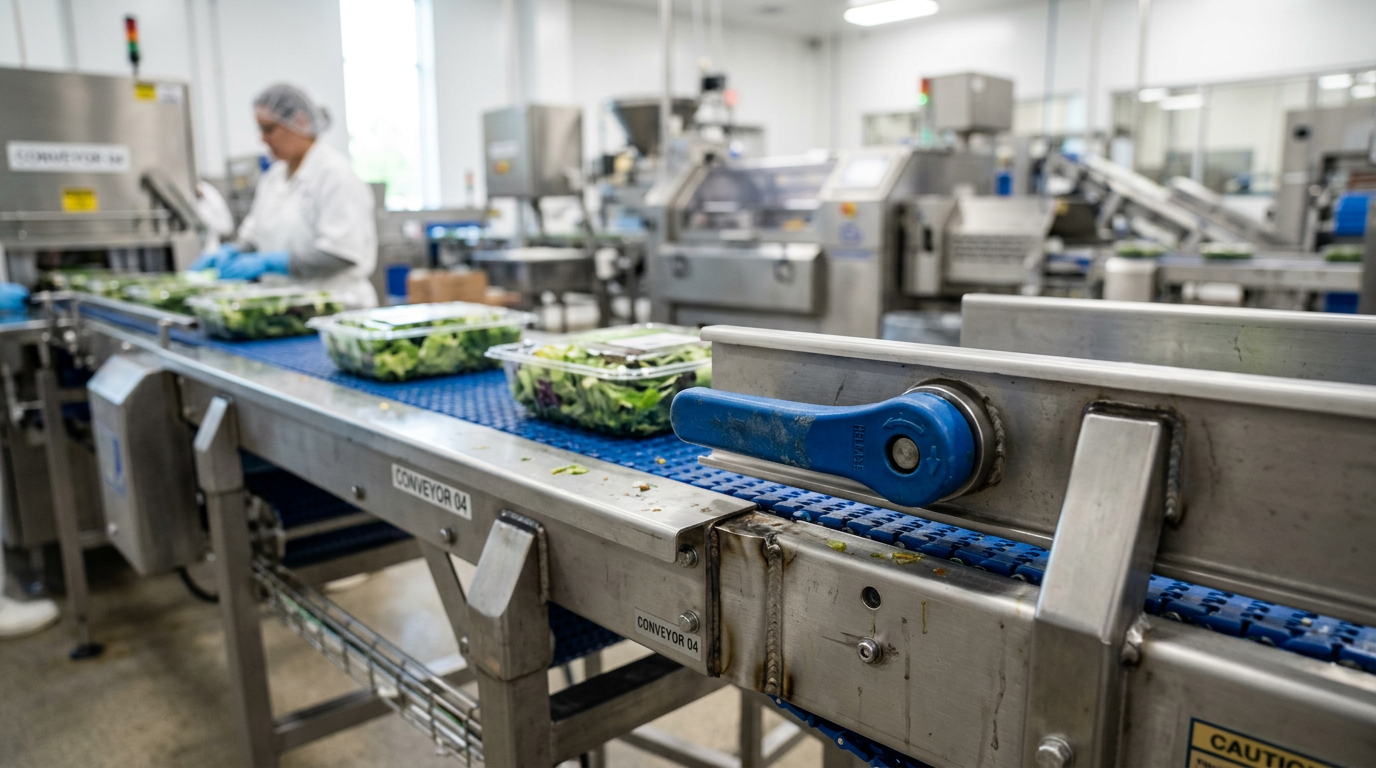
- Open Construction: Modular designs prioritize accessibility for cleaning, minimizing "harborage points" where organic material can accumulate.
- Regulatory Compliance: Designed to meet FDA, USDA, and EHEDG standards for food-grade safety.
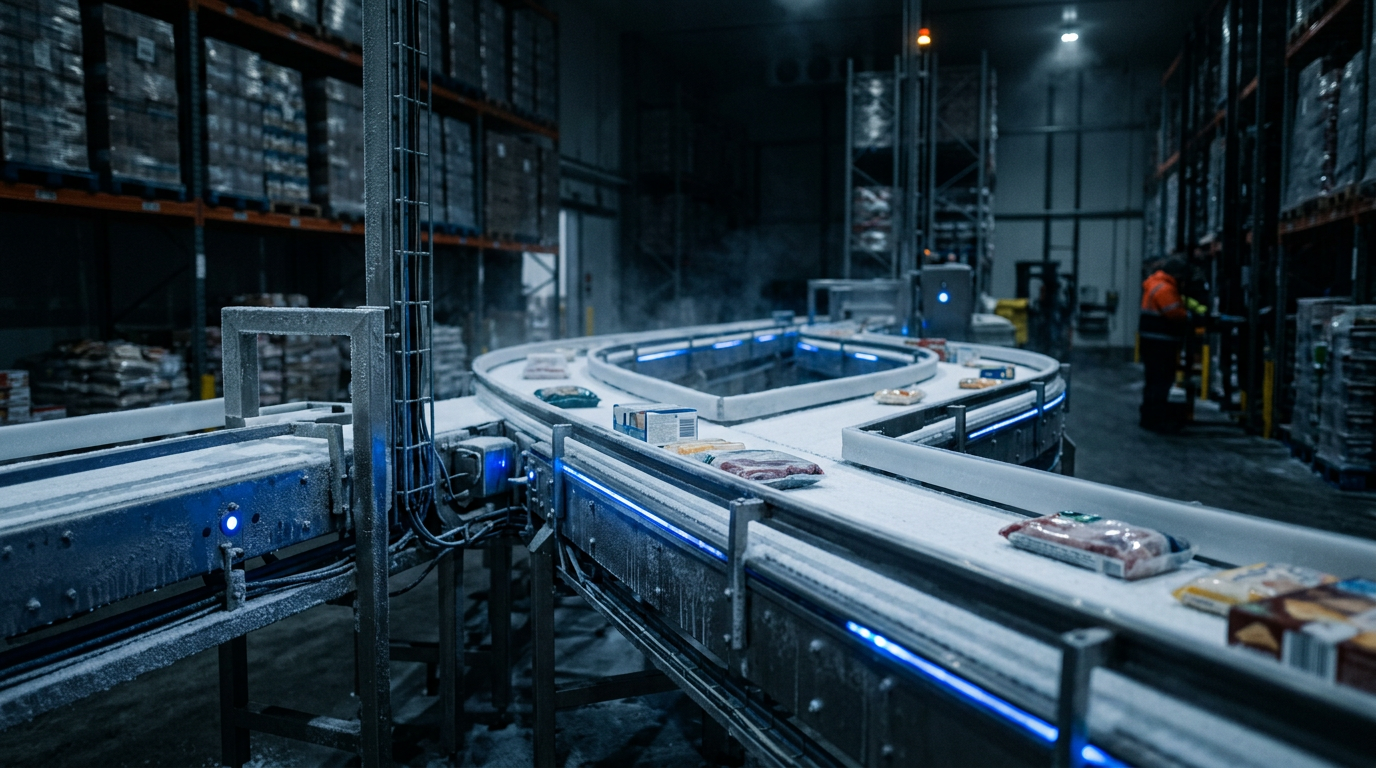
- Thermal Stability: These belts maintain mechanical properties during extreme temperature fluctuations, such as transition from steam cleaning to cold-room operation.
- Low Maintenance: Modular components allow for individual link replacement rather than replacing an entire belt, reducing TCO (Total Cost of Ownership).
The Engineering Behind Hygienic Design
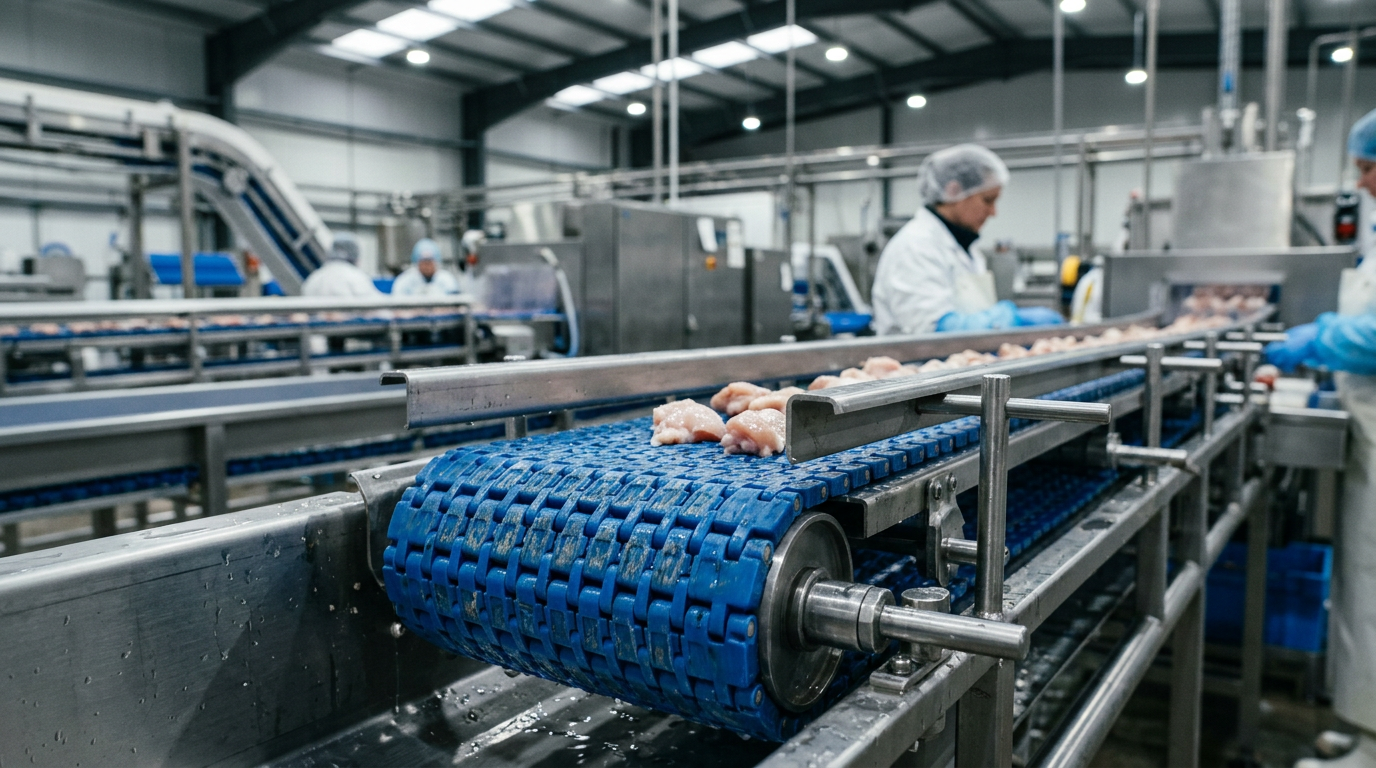
Hygienic conveyor design is not merely about the material; it is about the geometry. In a wash-down environment—common in poultry, meat processing, and dairy—the presence of standing water or food particles is an invitation for microbial proliferation.
Material Selection: 304 vs. 316L Stainless Steel
The backbone of these systems is the stainless steel frame.
- AISI 304: The standard for most food-grade applications. It offers excellent resistance to water and mild detergents.
- AISI 316L: Contains molybdenum, providing superior resistance to chlorides and acidic solutions. It is the preferred choice for marine environments or processes involving high salinity (brine) and cleaning with concentrated bleach solutions.
Frame Geometry and "Clean-in-Place" (CIP)
Modern stainless steel modular belts utilize "open frame" designs. Unlike traditional box-beam construction, open frames have no hollow sections where water can become trapped. Every surface is sloped or rounded to facilitate drainage. For facilities requiring the highest level of sanitization, Clean-in-Place (CIP) spray bars can be integrated directly into the system, automating the wash-down process and ensuring a repeatable level of cleanliness.
Modular Belt Technology: Plastic vs. Metal Links
While the frame is almost always stainless steel, the "belting" component in modular systems typically falls into two categories based on the application requirements.
Acetyl, Polypropylene, and PE Links
Most "modular belts" use plastic links connected by pivot rods.
- Polypropylene (PP): Excellent for high-chemical resistance but limited in cold environments.
- Polyethylene (PE): Best for low-temperature applications (freezers).
- Acetal (POM): Offers high tensile strength and low friction but is sensitive to certain oxidizing cleaning agents.
These modular plastic belts are favored in wash-down environments because the links can be designed with "radius properties," allowing the belt to turn corners while maintaining a flat surface. Furthermore, the sprocket-driven nature of these belts eliminates the tracking issues common with traditional fabric belts.
Stainless Steel Mesh and Slat Belts
In high-temperature applications (baking or frying) or where maximum durability is required, the belt itself may be made of stainless steel mesh or slats. These provide the ultimate level of heat resistance and are virtually impossible to degrade with standard industrial chemicals.
Key Industry Standards and Ratings
When specifying stainless steel modular belts for a facility, adherence to international standards is non-negotiable.
- IP69K Rating: This is critical for the drive units and sensors. An IP69K rating ensures that the components can withstand high-pressure water jets (up to 100 bar) at high temperatures (80°C).
- EHEDG (European Hygienic Engineering & Design Group): Systems bearing this certification have been audited for their cleanability and biological safety.
- FDA and EC 1935/2004: Ensures that any material coming into direct contact with food is non-toxic and does not transfer substances to the product.
Easy Conveyors stocks the modular systems discussed here — ready to ship across Europe.
Implementation Challenges and Solutions
Transitioning to an all-stainless, wash-down-ready line involves several engineering trade-offs.
1. Thermal Expansion
Stainless steel and plastic modular links have different coefficients of thermal expansion. In a large plant where the ambient temp might be 5°C but the wash-down water is 70°C, the belt can expand significantly. Engineers must design "take-up" units—weighted or spring-loaded pulleys—that automatically compensate for this change in length to prevent surging or sprocket jumping.
2. Motor and Drive Protection
The drive system is often the weakest link in a wash-down environment. Standard IE3 motors will fail if exposed to direct water spray. The industry standard is to use stainless steel geared motors or "drum motors" where the motor, gearbox, and bearings are all sealed inside a stainless steel cylinder. This eliminates the need for external guards and chains, which are notorious for collecting debris.
Easy Conveyors specializes in these high-stakes transitions, offering modular systems that bridge the gap between heavy-duty performance and the delicate requirements of food-safe engineering.
Maintenance Protocols for Wash-Down Systems
A common failure mode in hygienic environments is not the conveyor failing, but the maintenance team inadvertently damaging it.
- Chemical Concentration: Overuse of caustic soda or nitric acid beyond recommended dilutions can pit even 316L stainless steel over time.
- Mechanical Wear: While modular belts are easy to fix (by replacing a single link), technicians must ensure the pivot rods are fully seated. A "migrating rod" can catch on the frame, leading to a catastrophic belt failure.
- Bearing Lubrication: Even "sealed-for-life" bearings in stainless housings should be checked. If high-pressure water forces its way past a seal, the grease will emulsify, leading to premature bearing failure.
Strategic Selection: What to Ask Your Vendor
Before commissioning a stainless steel modular belt system, procurement leads should verify the following:
- Surface Finish: Is the steel bead-blasted, brushed, or electropolished? Electropolishing provides the smoothest surface, reducing the "micro-valleys" where bacteria hide.
- Sprocket Engagement: How many teeth are engaged? Higher engagement reduces the stress on Individual plastic links.
- Cross-Contamination: Are the fasteners (bolts/nuts) exposed? Hygienic designs use "acorn nuts" or smooth-head bolts to prevent material buildup in screw heads.
Future Trends: The Drive Toward "Dry" Sanitation
While wash-down is the current standard, there is a growing trend in the pharmaceutical and dry-food sectors (like snacks and spices) toward "Dry Sanitation." This involves using UV-C light tunnels and high-efficiency vacuum systems integrated into the stainless steel modular belt frame. This reduces water usage and the risk of Listeria, which thrives in wet environments. Stainless steel remains the material of choice here due to its reflective properties, which enhance the efficacy of UV-C sterilization.
Conclusion
Investing in stainless steel modular belts for hygienic wash-down environments is a strategic decision that balances capital expenditure (CAPEX) against the long-term operational risks of contamination and equipment failure. By choosing systems that prioritize open-frame geometry, high-grade alloys, and IP69K-rated components, manufacturers ensure the highest levels of product safety and operational uptime in the most demanding industrial settings.
Frequently Asked Questions
What is the difference between 304 and 316L stainless steel for conveyors?
Grade 316L contains molybdenum, making it significantly more resistant to chlorides (salt) and strong chemicals than 304. Use 316L for brine processing or coastal facilities.
What does an IP69K rating mean for conveyor motors?
IP69K is a protection rating that signifies a component can withstand high-pressure water jets (1450 psi) at high temperatures (80°C), essential for sanitized wash-down environments.
Can modular belts handle extreme temperature fluctuations?
Yes, by using specific materials like Polyethylene (PE) or metal mesh, modular belts can operate in temperatures as low as -40°C or as high as +200°C.
What are the 'hygienic design' features in a conveyor?
Look for open frames, rounded edges, absence of hollow tubes, and sloped surfaces that prevent water pooling and bacterial growth.
What is the most common failure point for modular plastic belts?
While individual links are easily replaced, the primary failure mode is 'rod migration' or sprocket wear caused by incorrect tensioning during high-temp cleaning cycles.
Sources & references
- [1]EHEDG Guideline Doc 13: Hygienic Design of Equipment for Open Processes
- [2]ISO 14159:2002 Safety of machinery — Hygiene requirements for the design of machinery
- [3]Intralox Series 800 and 1600 Stainless Steel Belt Solutions
- [4]Sanitary Design of Food Processing Equipment (21 CFR Part 110)
- [5]Stainless steel vs. Plastic Modular Belts for Food Safety