Side Guides, Transfer Plates, and End Rollers: Optimizing Conveyor Transitions
Learn how side guides, transfer plates, and end rollers optimize material handling. Essential guide for reducing friction and preventing product loss in transitions.
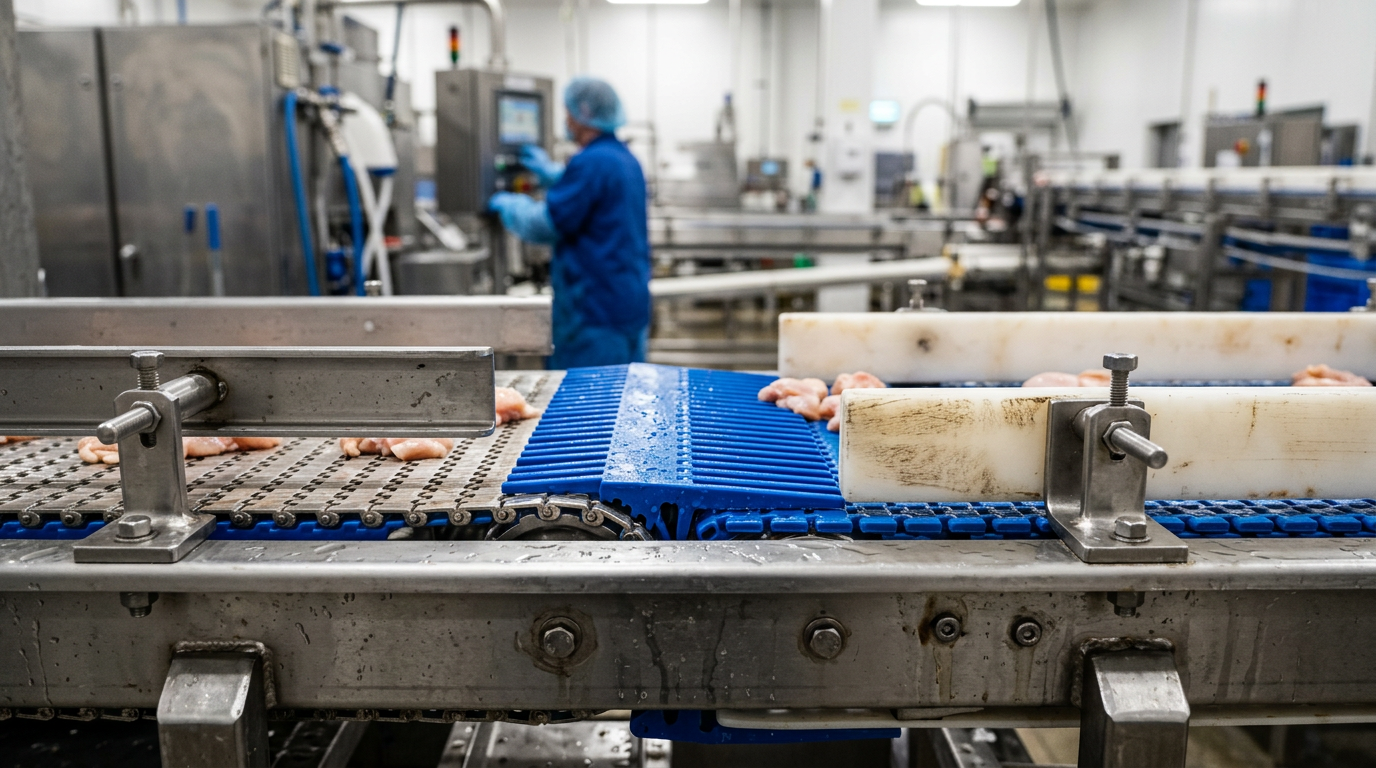
In automated material handling, system efficiency is often determined not by the speed of the main conveyor, but by the precision of product transitions. Maintaining a product's center of gravity and orientation requires a coordinated assembly of side guides, transfer plates, and end rollers, which together minimize friction-related energy losses and prevent the 5–10% product loss typically associated with poorly managed high-speed transfer points.
The Role of Side Guides in Flow Control
Side guides serve as the physical boundaries of the conveyor system, ensuring that products remain on the intended path despite centrifugal forces or vibration. While they may appear to be simple rails, their design significantly impacts the system's coefficient of friction and overall power consumption.
Material Selection and Friction
The choice of material for side guides is critical for preventing "product scuffing" or excessive wear on the conveyor belt. Common configurations include:
- UHMW-PE (Ultra-High-Molecular-Weight Polyethylene): The industry standard for low-friction applications, offering high wear resistance and FDA compliance for food contact.
- Stainless Steel (AISI 304/316): Used in heavy-duty or high-temperature environments, often with a plastic insert to reduce metal-on-product contact.
- Adjustable Aluminum Profiles: Preferred in packaging lines where frequent changeovers require rapid adjustment of guide widths.
For high-speed sortation or fragile packaging, engineers often specify roller side guides. By replacing sliding friction with rolling resistance, these components reduce the lateral force exerted on the product, preventing labels from tearing and minimizing the load on the drive motor.
Bridging the Gap: Transfer Plates
A transfer plate (or dead plate) is the stationary bridge between two conveyor sections or between a conveyor and a processing machine. The primary engineering challenge is the "gap" created by the radius of the conveyor's head and tail pulleys.
According to safety and operational standards like ISO 13857, gaps in machinery must be minimized to prevent finger entrapment and to ensure small products do not tip or become wedged.
Types of Transfer Plates
- Static Dead Plates: Typically made of low-friction plastic or polished stainless steel. These are effective for larger items but can cause "bottlenecking" if the product does not have enough momentum to clear the plate.
- Comb-Style Transfers: Specifically designed for modular plastic belts. The "fingers" of the plate mesh with the ribs of the belt, allowing for a seamless transition even for very small unstable products like vials or small bottles.
- Powered Transfers: Small, independently driven rollers or belts that actively move the product across the gap. These are essential for heavy loads or when the product must stop and start precisely on the transition.
When designing for hygienic environments, such as those governed by EHEDG guidelines, transfer plates must be easily removable for cleaning to prevent bacterial growth in the "dead zones" beneath the bridge.
End Rollers and Small Radius Transitions
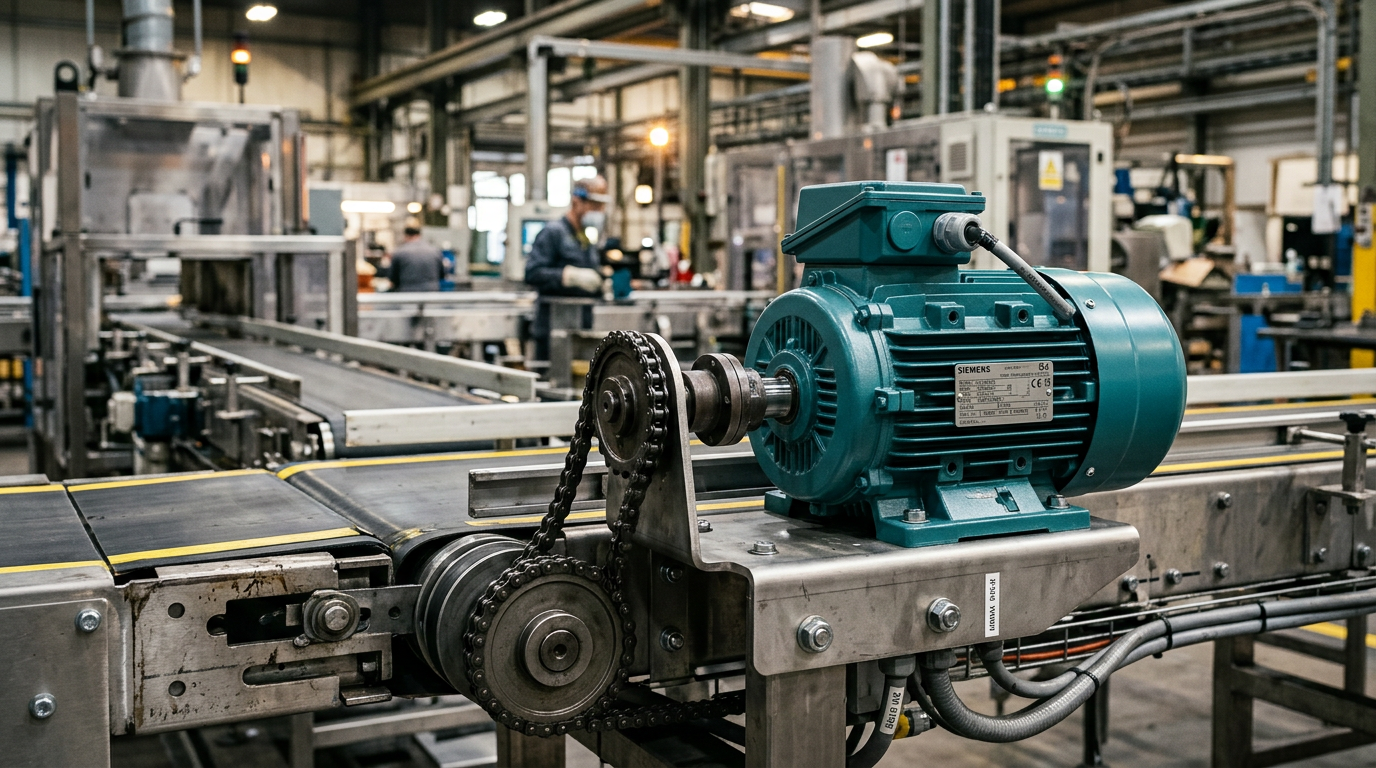
End rollers (also known as nose bars or terminal rollers) define the turning radius of the conveyor belt at
Easy Conveyors stocks the conveyor components discussed here — ready to ship across Europe.
the transition point. The diameter of the end roller is the limiting factor for how small the transfer gap can be.
| Feature | Standard Roller | Nose Bar (Small Radius) |
|---|---|---|
| Typical Diameter | 50mm - 100mm | 6mm - 19mm |
| Primary Use | Heavy loads, high speeds | Small, fragile products |
| Belt Stress | Low (large bend radius) | High (requires flexible belt) |
| Heat Generation | Low | High (requires specialized bearings) |
| Hygiene Class | Standard | High (often stainless steel) |
Using a small-diameter nose bar allows two conveyors to be placed nearly flush against one another. However, this creates significant mechanical stress on the conveyor belt. When selecting components for these tight transitions, it is vital to consult with specialists like Easy Conveyors to ensure the belt material, such as POM (Polyoxymethylene), can withstand the constant tight-radius flexing without fatigue failure.
Engineering Integration: A Holistic Approach
Successful material handling requires these three components to work in unison. A common failure mode in conveyor design is treating side guides and transfer plates as "add-ons" rather than integral parts of the modular conveyor system.
- Alignment: If side guides are too tight, they increase the motor's torque requirements, potentially exceeding the limits of the VFD soft-start tuning.
- Transition Height: The "upstream" conveyor should always be slightly higher (approx. 1–2mm) than the transfer plate, and the transfer plate slightly higher than the "downstream" conveyor. This "waterfall" effect prevents products from catching on leading edges.
- Thermal Expansion: In wash-down environments or ovens, side guides must be mounted with expansion slots. A 10-meter plastic guide can expand by several centimeters, causing it to bow and jam the line if not properly accounted for.
Maintenance and Troubleshooting
Regular inspection of these components is vital for preventing downtime.
- Side Guides: Check for "trenching" or deep grooves worn into the plastic, which can catch product edges.
- Transfer Plates: Ensure the fasteners are tight. A loose transfer plate can be lifted by a passing belt, leading to catastrophic mechanical failure.
- End Rollers: Listen for bearing noise. Small radius nose bars often use needle bearings or bushings that require frequent lubrication or replacement due to high RPMs at the conveyor's edge.
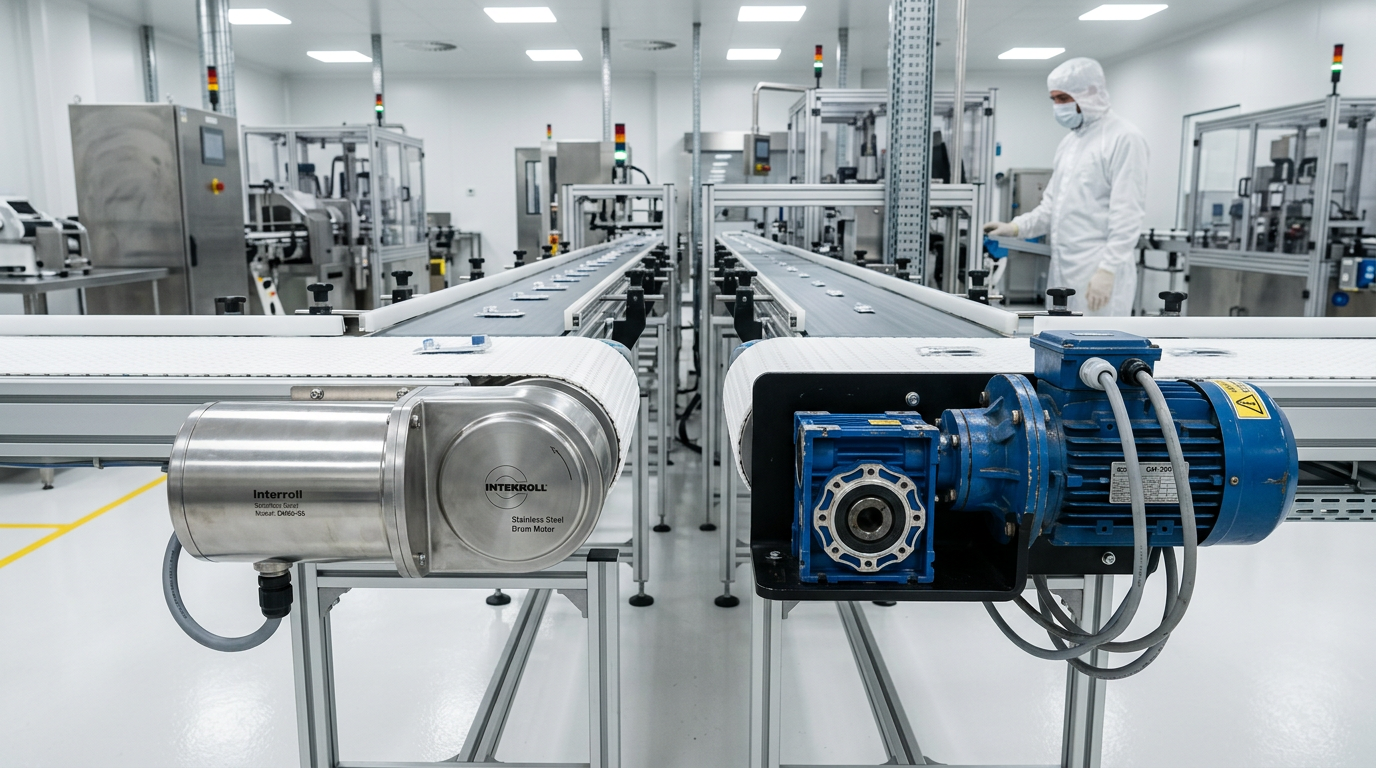
By optimizing the selection of drum motor selection and pairing it with precision-engineered guides and transfers, facilities can achieve higher throughput with lower energy consumption. Manufacturers should always reference CEMA standards or ISO 2110 when calculating the longitudinal belt tension affected by these peripheral components. Documenting the specific clearances and materials used in these transition zones is a hallmark of a robust maintenance strategy. Nodes of friction are nodes of failure; minimizing them through correct component selection is the simplest path to operational excellence.
Frequently Asked Questions
What is the maximum allowable gap between two conveyor belts?
The gap should be as small as possible, typically between 1mm and 5mm depending on the product size. For unstable items like small bottles, a comb-style transfer plate that interlocks with the belt is required.
When should I use a nose bar instead of a standard end roller?
Nose bars allow for a much tighter turning radius (down to 6mm), which is essential for transferring small or delicate items that would tip over a standard 50mm+ roller gap.
What is the best material for conveyor side guides?
UHMW-PE (Ultra-High-Molecular-Weight Polyethylene) is the most common choice due to its extremely low coefficient of friction, high wear resistance, and FDA compliance for food processing.
Can side guides affect the power consumption of my conveyor?
Yes, overly tight side guides increase lateral pressure and friction, which raises the motor's torque demand. This can lead to motor overheating or premature belt wear.