Pallet Handling Conveyors for End-of-Line Automation: Engineering Guide
Discover how to optimize end-of-line automation with heavy-duty pallet handling conveyors. Learn about CDLR vs. modular belts, IE3 efficiency, and ISO safety standards.
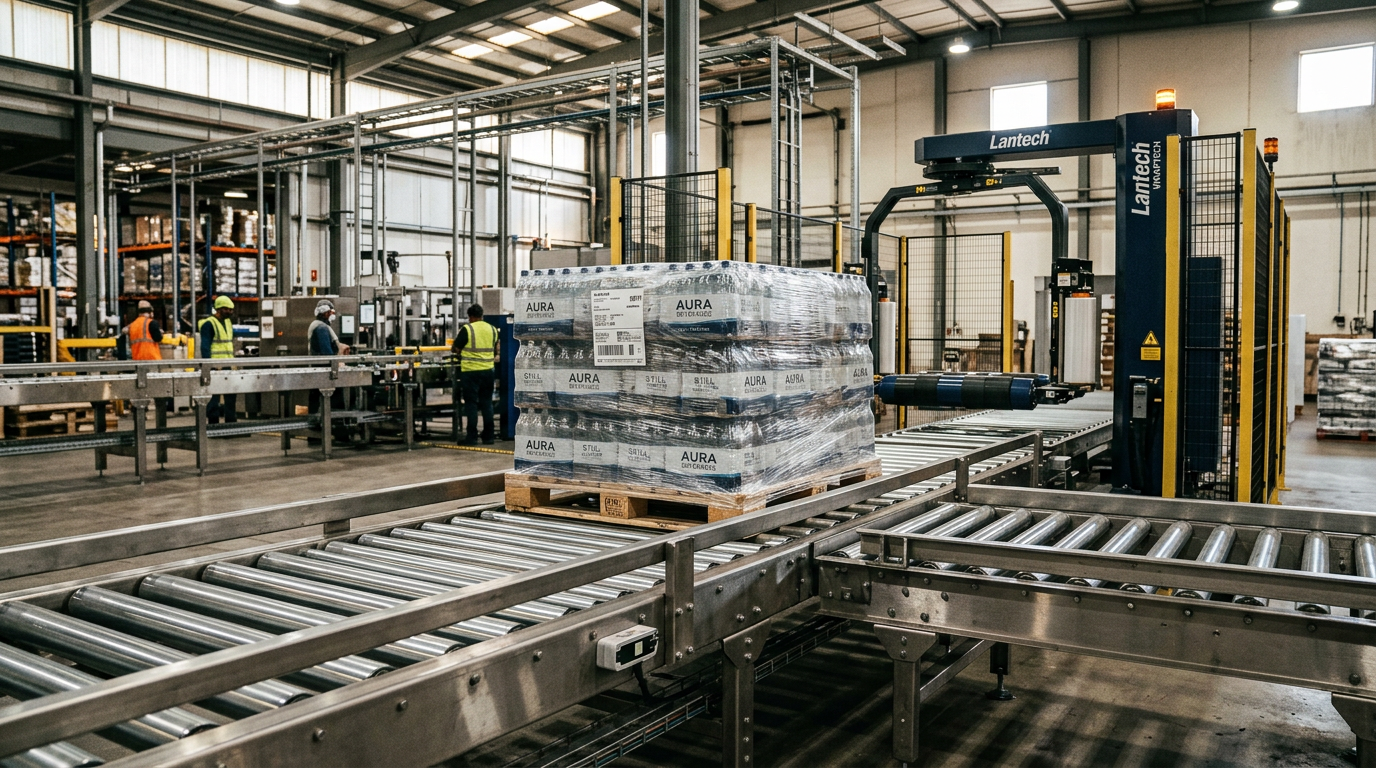
Pallet handling conveyors serve as the backbone of modern end-of-line automation, bridging the gap between primary packaging and the loading dock. In high-throughput environments, a well-designed pallet conveyor system can increase line efficiency by up to 30% compared to manual forklift transport while significantly reducing workplace hazards. This guide examines the engineering standards, component selection, and automation strategies required to deploy a robust pallet handling solution.
Understanding the Role of End-of-Line Pallet Conveyors
End-of-line (EOL) automation typically begins after the individual products have been packed into cases and palletized. At this stage, the conveyor system must handle heavy loads—often ranging from 500 kg to 1,500 kg per pallet—requiring rigid frame construction and high-torque drive systems.
The primary function of these systems is to transport, accumulate, rotate, and transfer loaded pallets to wrapping stations, labeling machines, or automated storage and retrieval systems (AS/RS). Unlike light-duty conveyors, pallet handling requires adherence to strict safety standards such as ISO 10218-2 for robot integration and OSHA 1910.212 for general machine guarding.
Core Technologies in Pallet Conveying
Selecting the right conveying medium depends on the pallet type (e.g., Euro, GMA, or CHEP), load weight, and environmental conditions.
1. Pallet Roller Conveyors
Roller conveyors are the industry standard for transporting pallets with rigid bottom runners. They typically use 60mm to 89mm diameter steel rollers.
- Chain-Driven Live Roller (CDLR): These use a series of chains to transfer power from the motor to each individual roller. They are ideal for heavy loads and oily environments.
- Zero Pressure Accumulation (ZPA): Essential for EOL automation, ZPA systems use sensors and zone controllers to ensure pallets do not touch, preventing product damage.
2. Pallet Chain Conveyors
When pallets have irregular bottoms or when transporting heavy loads over long distances without accumulation, multi-strand chain conveyors are preferred.
- Two-Strand or Three-Strand: These support the pallet along its outer edges or center stringer.
- Drag Chain: Heavy-duty chains move the pallet directly, offering high durability in harsh environments like brick or cement manufacturing.
3. Modular Belt Pallet Conveyors
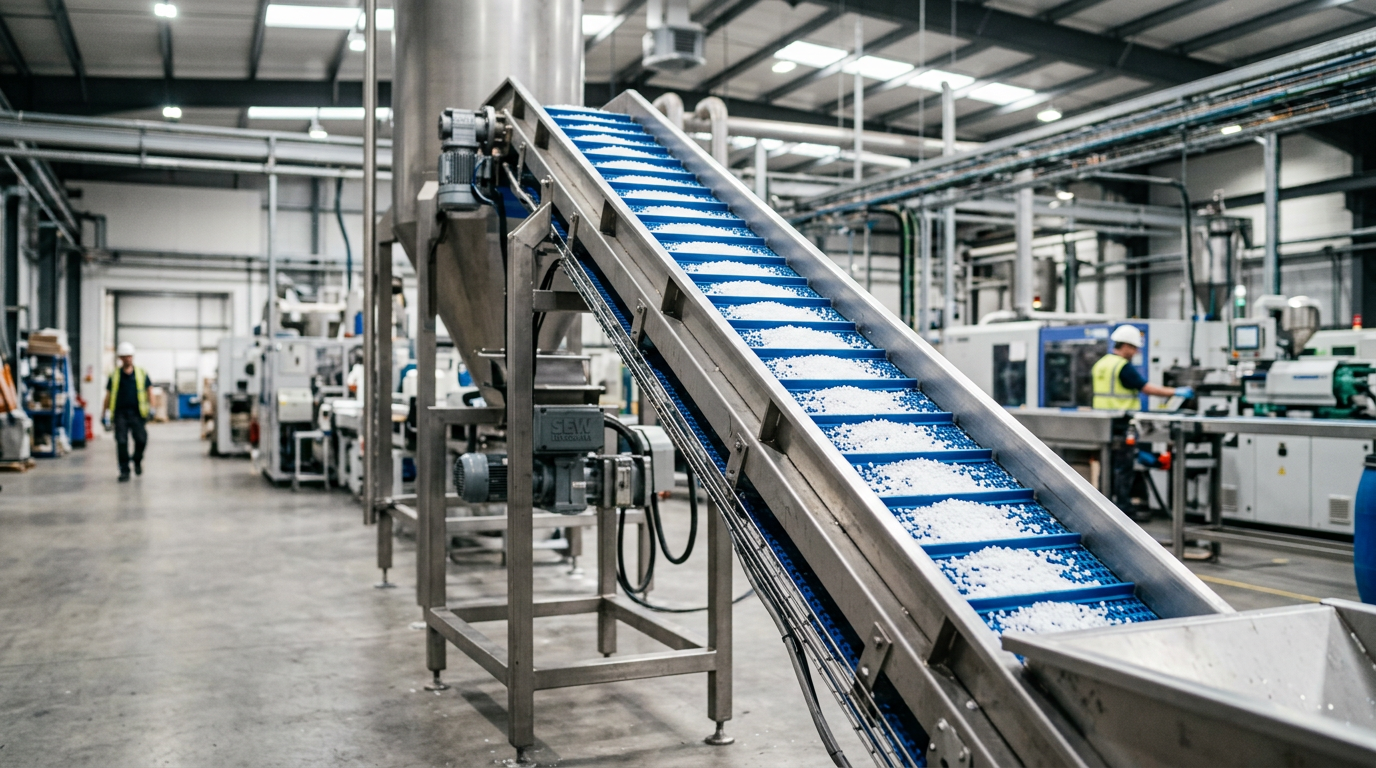
Modular plastic belts are increasingly used for pallet handling because they provide a continuous surface. This is critical for pallets that are in poor condition or for handling smaller "half-pallets" that might stall on rollers. Easy Conveyors offers modular solutions that simplify the transition between different pallet sizes, ensuring high uptime in diverse production environments.
Technical Specifications Comparison
| Feature | CDLR Roller | Multi-Strand Chain | Modular Belt |
|---|---|---|---|
| Max Load Capacity | Up to 2,000 kg | Up to 3,000 kg | Up to 1,500 kg |
| Accumulation Capability | Excellent (ZPA) | Poor | Moderate |
| Hygiene Rating | Low (Open bearings) | Moderate | High (Wash-down options) |
| Maintenance Need | Moderate (Chain tension) | High (Lubrication) | Low (Self-lubricating) |
| Noise Level | 75–80 dB | 80–85 dB | 70–75 dB |
| Standard IP Rating | IP54 - IP55 | IP54 - IP55 | Up to IP69K |
Easy Conveyors stocks the material handling discussed here — ready to ship across Europe.
Engineering for EOL Automation Success
Integrating conveyors into an automated end-of-line requires precise control and mechanical synchronization.
Drive System Selection
Efficiency is paramount. For EOL systems running 24/7, specifying IE3 or IE4 premium efficiency motors according to IEC 60034-30-1 is standard practice. Variable Frequency Drives (VFDs) should be used to control acceleration and deceleration (ramping), which prevents loads from shifting during transport.
Positioning and Centering
For robotic palletizing or automatic wrapping, pallets must be positioned within a tolerance of ±5mm. This often requires:
- Pneumatic Side Grids: To square the pallet before it enters a critical station.
- Mechanical Stops: Rugged pop-up stops that can withstand the kinetic energy of a 1,000 kg moving load.
- Precision Sensors: Inductive or photoelectric sensors rated for industrial use (IP67).
Safety and Guarding
In EOL automation, conveyors often interface with robots. The design must include light curtains, E-stop circuits, and safety fencing that meets ISO 13849-1 performance levels (PLd or PLe).
Common Failure Modes and Prevention
Understanding why pallet conveyors fail is key to maintaining a high OEE (Overall Equipment Effectiveness).
- Roller Bearing Seizure: Often caused by overloading or lack of lubrication. Specifying precision-sealed bearings can extend life by 40%.
- Chain Stretch: In CDLR systems, chains naturally elongate over time. Implementing automatic chain tensioners reduces manual maintenance intervals.
- Sensor Misalignment: Vibration from heavy pallets can knock sensors out of alignment, leading to "ghost" jams. Use heavy-duty mounting brackets to mitigate this.
- Pallet Debris: Wood chips from broken pallets can jam rollers. Modular belt systems or rollers with integrated debris shields are effective countermeasures.
Designing for Future Scalability
When planning an end-of-line system, consider the "modular approach." Standardized conveyor segments—typically 1.5m or 2m in length—allow for rapid reconfiguration if production needs change. Modular systems also simplify spare parts inventory, as a single motor and roller specification can be used across the entire line.
Integration with Warehouse Management Systems (WMS) is the final step in EOL automation. By using Ethernet/IP or PROFINET communication protocols, the conveyor system provides real-time data on throughput, energy consumption, and maintenance status, enabling predictive maintenance strategies.
For specialized applications like pharmaceutical or food production, ensure all materials meet FDA standards for food contact or EHEDG guidelines for hygienic design, particularly in secondary packaging areas where open product might still be present.
In conclusion, pallet handling conveyors are not merely "dumb" transport assets; they are sophisticated, data-driven components of the modern factory. By selecting the correct conveying medium, prioritizing IE3 motor efficiency, and integrating robust safety controls, manufacturers can ensure their end-of-line automation is a reliable contributor to their bottom line.
Frequently Asked Questions
What is the difference between CDLR and ZPA pallet conveyors?
A CDLR (Chain-Driven Live Roller) conveyor uses a continuous chain to power each roller, making it ideal for heavy pallets (up to 2,000kg). A Zero Pressure Accumulation (ZPA) system adds sensors and controllers to manage these rollers in zones, ensuring pallets never touch, which prevents product damage during staging.
What motor efficiency class should be used for pallet conveyors?
For end-of-line automation, IE3 (Premium Efficiency) or IE4 (Super Premium) motors are recommended per IEC 60034-30-1 standards. These motors reduce energy costs significantly in 24/7 operations and generate less heat, extending the life of the gearbox and bearings.
When should I choose modular belt conveyors over rollers for pallets?
Modular plastic belts are superior for pallets with damaged bottom boards or inconsistent footprints. They provide a continuous flat surface that prevents pallets from 'diving' between rollers, reducing jams and system downtime.
What is the typical weight capacity for an automated pallet conveyor?
Standard pallet conveyors are designed for loads between 500 kg and 1,500 kg. However, heavy-duty drag chain conveyors can be engineered to handle 'mega-pallets' or industrial machinery components weighing up to 3,000 kg or more.