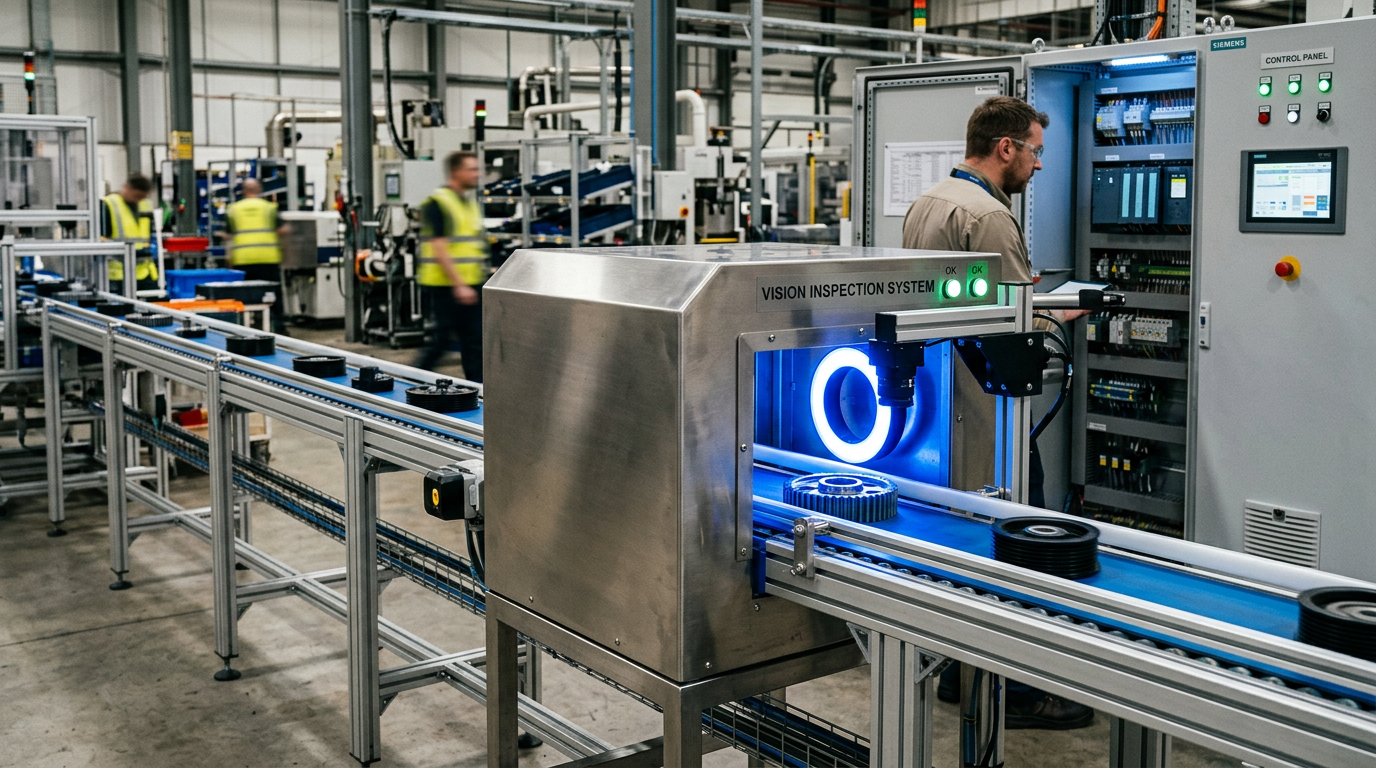
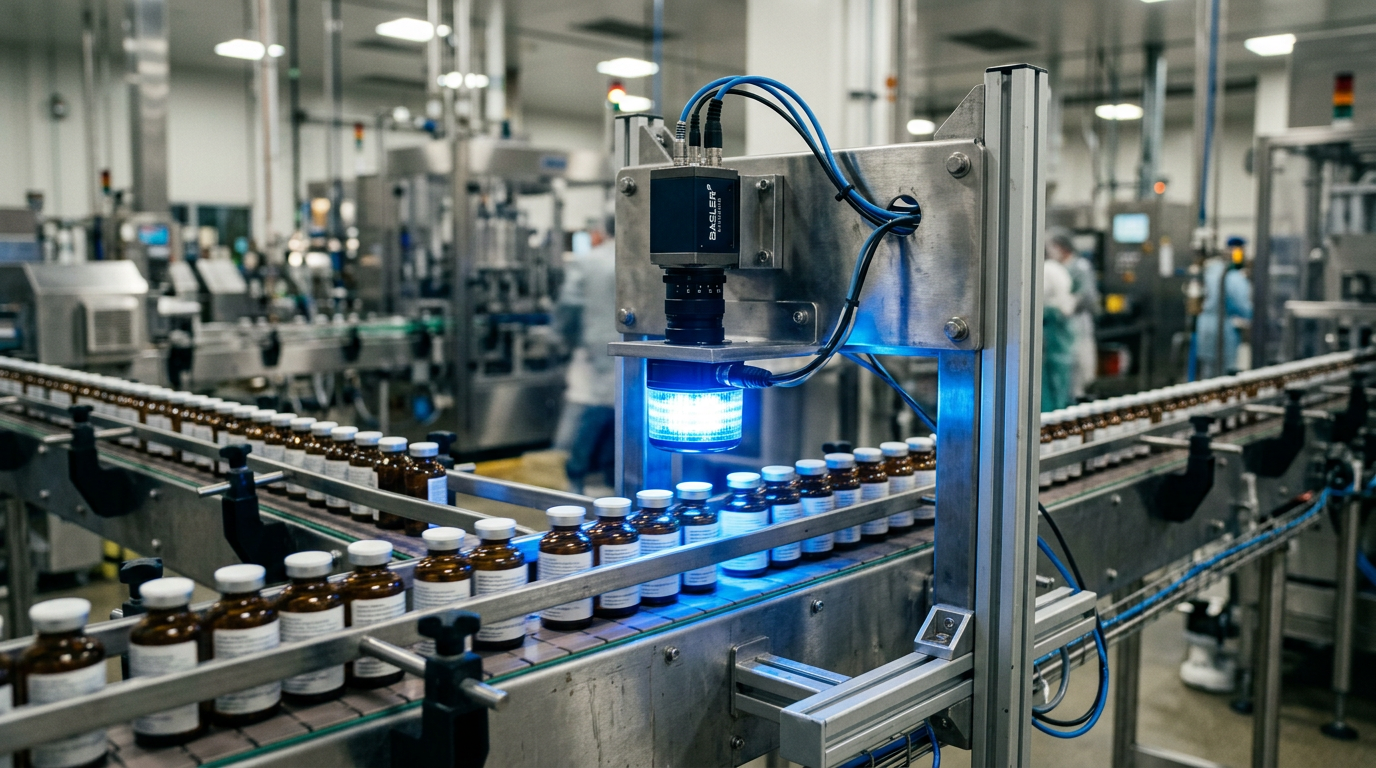
OPC UA Integration for Smart Conveyor Modules: A Technical Guide
Learn how OPC UA integration transforms modular conveyor systems into smart, data-driven assets. Boost interoperability, security, and predictive maintenance.
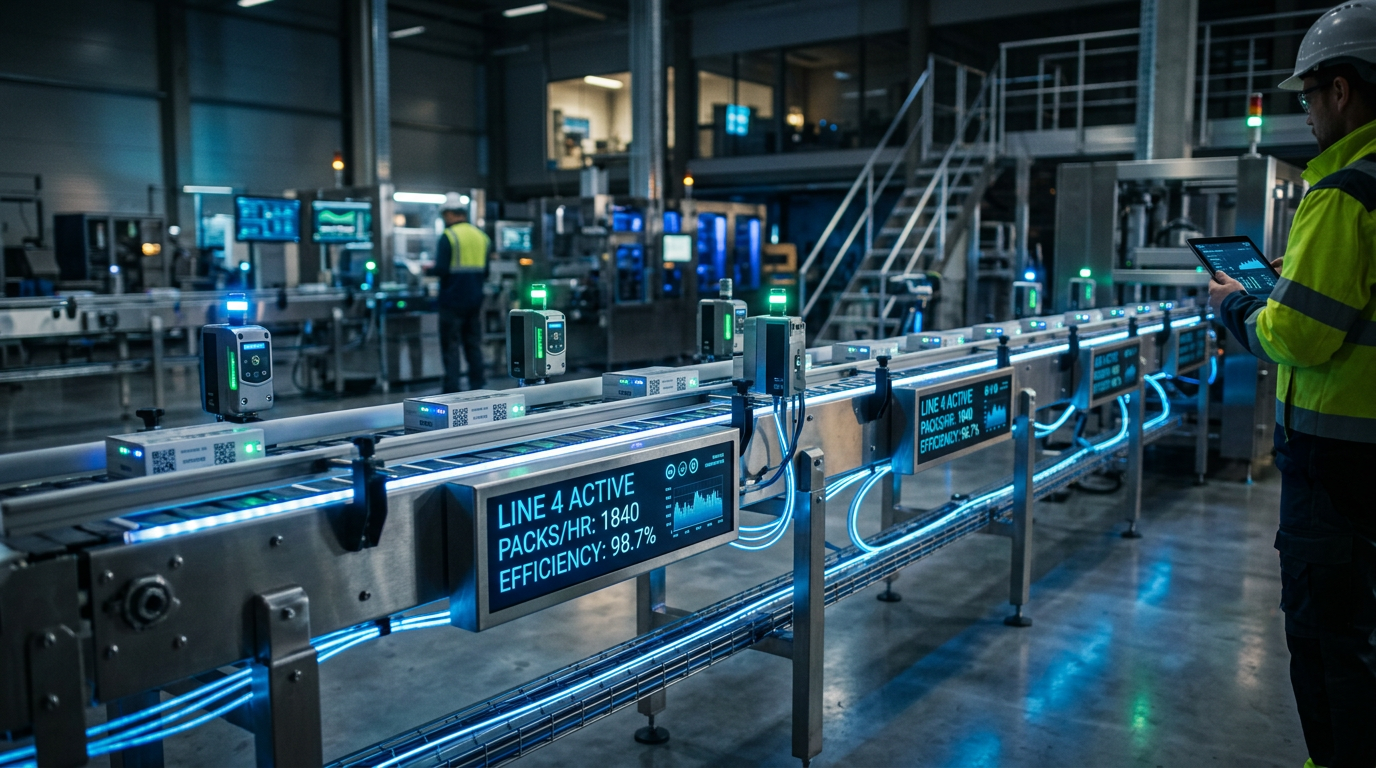
In the era of Industry 4.0, OPC UA integration for smart conveyor modules provides a standardized, vendor-neutral communication framework that enables seamless data exchange between field-level hardware and cloud-based analytics, achieving up to 30% reductions in system integration time through automated device discovery. By utilizing the IEC 62541 standard, smart conveyors transition from simple mechanical transporters to intelligent data nodes capable of real-time diagnostics, energy monitoring, and predictive maintenance orchestration.
The Architecture of Smart Conveyor Interoperability
The shift from traditional, hard-wired I/O to networked automation has historically been hampered by proprietary protocols. A conveyor system might use EtherNet/IP for its PLC, while a downstream sorter uses PROFINET, and the warehouse management system (WMS) requires MQTT or REST. OPC UA (Open Platform Communications Unified Architecture) solves this by acting as the "universal translator."
For smart conveyor modules, OPC UA integration means that every component—from the variable frequency drive (VFD) to the photo-eye sensor—can expose its data via a standardized information model. This eliminates the need for complex driver development and custom mapping tables. Instead of manually addressing memory registers, an engineer can browse a "SmartConveyor" object that contains variables like BeltSpeed, MotorTemperature, and PackageCount.
Data Modeling and Companion Specifications
The true power of OPC UA lies in its Information Models. Rather than just sending raw bits, the protocol defines the semantic meaning of the data. For the material handling industry, the OPC UA Companion Specification for Weighing Technology and the emerging standards for Intralogistics Systems provide a blueprint for how conveyor data should be structured.
| Feature | Legacy Fieldbus (e.g., Modbus RTU) | OPC UA (IEC 62541) |
|---|---|---|
| Data Structure | Raw Register/Bit | Object-Oriented (Semantic) |
| Security | None / Physical Only | TLS, X.509 Certificates, Auditing |
| Scalability | Master-Slave (Limited) | Client-Server & Pub/Sub (Massive) |
| Discovery | Manual Address Mapping | Automatic Service Discovery |
| Efficiency Class | Static | Dynamic Energy Management (IE3/IE4) |
Implementing OPC UA in Modular Conveyor Systems
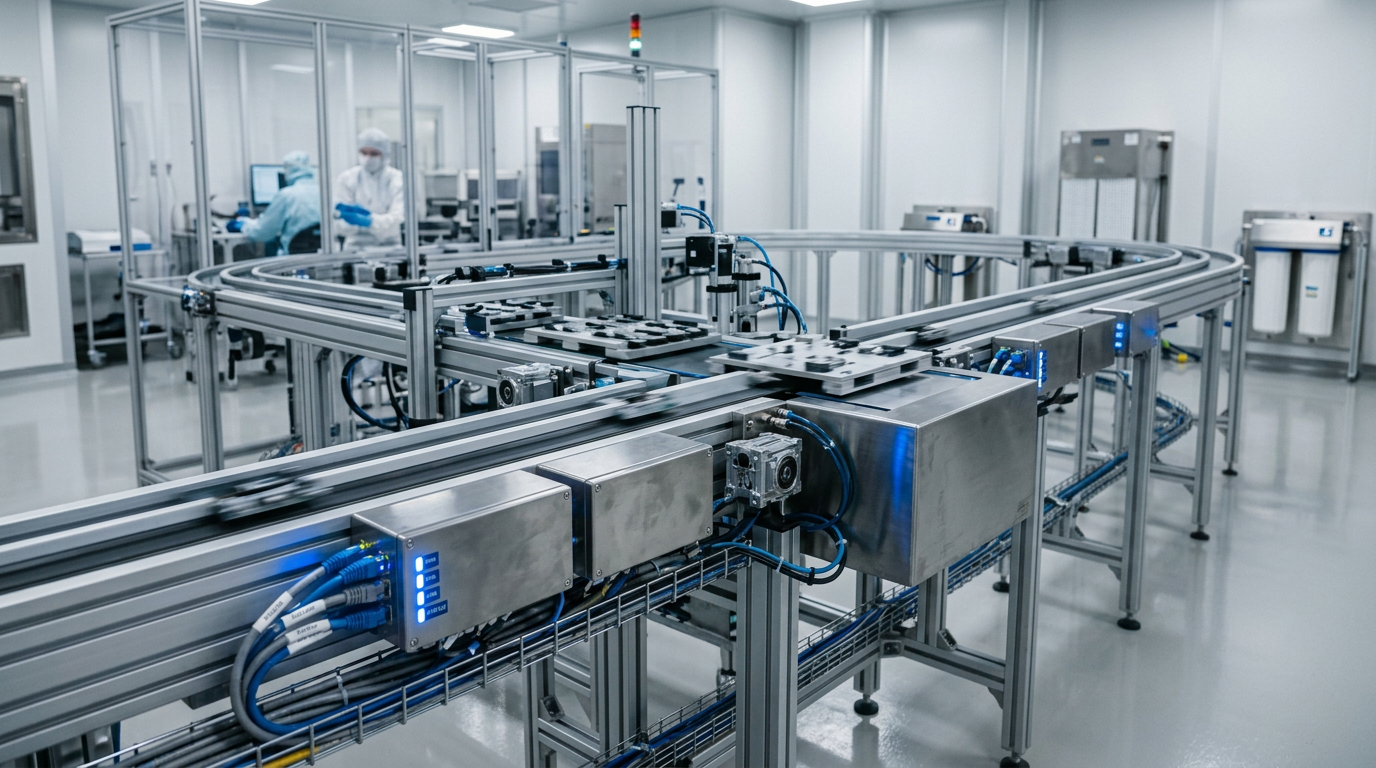
When designing a modular system, the integration of smart features must not compromise the mechanical flexibility of the line. The use of decentralized control architectures is becoming the standard. In these setups, each conveyor segment or "module" contains its own logic controller with an embedded OPC UA server.
This decentralized approach allows a modular conveyor to be "plug-and-play." When a new module is added to the line, the central SCADA system detects the new OPC UA server, identifies its capabilities via the OPC Foundation discovery service, and begins logging data without manual intervention.
For engineering teams looking to implement these advanced controls, working with an experienced partner is critical. Easy Conveyors specializes in modular conveyor systems that are designed for rapid deployment, providing the mechanical foundation necessary to support high-level automation and smart integration strategies.
Key Benefits of OPC UA for Material Handling
1. Enhanced Predictive Maintenance
Smart conveyor modules equipped with OPC UA can transmit high-frequency vibration and thermal data from drum motors directly to AI-driven maintenance platforms. By monitoring deviations from the baseline—often defined by ISO 20816 for mechanical vibration—operators can predict bearing failures weeks before they occur, avoiding costly unscheduled downtime.
2. Energy Efficiency and Sustainability
With energy costs rising, monitoring the power consumption of conveyor sections is no longer optional. OPC UA allows for the granular tracking of energy usage per module. Engineers can correlate energy spikes with specific load conditions or mechanical friction issues, ensuring the system maintains its IEC 60034-30-1 efficiency ratings during operation.
3. Vertical Integration (Sensor to Cloud)
Traditionally, getting data from a conveyor sensor to a cloud dashboard required multiple layers of translation (Sensor > I/O Link > PLC > Gateway > Cloud). OPC UA simplifies this by allowing the field device to communicate directly with IT systems. This "flat" architecture reduces latency and eliminates "data silos" where valuable information is trapped within the PLC logic.
Easy Conveyors stocks the industrial automation discussed here — ready to ship across Europe.
Security Considerations in Smart Conveyors
As conveyors become more connected, they also become potential entry points for cyber threats. Unlike older protocols that lacked security, OPC UA was built with security as a core pillar. It supports:
- Authentication: Ensuring only authorized clients can access conveyor controls.
- Signing: Verifying that the data has not been tampered with in transit.
- Encryption: Protecting sensitive operational data from eavesdropping.
Adhering to IEC 62443 standards for industrial communication security is essential when deploying OPC UA across a factory floor to ensure that a compromised office network cannot result in a physical conveyor stoppage or safety hazard.
Practical Challenges and Solutions
While OPC UA offers significant advantages, implementation requires a shift in mindset.
- Bandwidth Management: While OPC UA is efficient, high-frequency data from hundreds of conveyor modules can strain local networks. Implementing "Report by Exception" (transmitting data only when it changes) or utilizing OPC UA Pub/Sub over TSN (Time-Sensitive Networking) can mitigate these issues.
- Legacy Equipment: Not all motors or sensors support OPC UA natively. In these cases, using IoT Gateways or edge controllers that bridge legacy protocols (like Modbus or IO-Link) to OPC UA is the most cost-effective path forward.
- Standardization of Models: To achieve true interoperability, all vendors in a facility must agree on the same Information Model. Without this,
Belt_Speedon one module might beVelocity_m_son another, negating the benefits of standardized browsing.
Future Trends: OPC UA and Digital Twins
The ultimate goal of OPC UA integration for smart conveyor modules is the creation of a Digital Twin. By combining real-time telemetry with a 3D CAD representation of the conveyor, operations managers can simulate layout changes, optimize throughput, and perform virtual commissioning.
This integration allows for "what-if" scenarios: If the line speed is increased by 15%, what is the projected impact on motor lifespan and energy consumption? With a robust OPC UA backbone, these questions are answered with real-time data rather than estimates. High-performance drive systems, such as those discussed in guides on drum motor selection, become even more effective when their internal parameters are fully visible to the Digital Twin.
Furthermore, tuning the system becomes a data-driven process. For example, VFD soft-start tuning can be performed remotely and verified instantly by analyzing the torque curves transmitted via OPC UA, ensuring that the mechanical components are never subjected to stresses beyond their design limits. Finalizing the system often involves a focus on hygienic wash-down design in food applications, where OPC UA-enabled sensors can also monitor the effectiveness of Cleaning-in-Place (CIP) cycles by tracking temperature and flow rates of cleaning agents.
Conclusion
OPC UA integration is the cornerstone of modern, smart conveyor modularity. By providing a secure, scalable, and semantically rich communication layer, it allows manufacturers to build more flexible production lines, reduce total cost of ownership through predictive maintenance, and bridge the gap between operational technology (OT) and information technology (IT). As the industry moves toward autonomous logistics, the ability of a conveyor to "speak" a universal language will be the defining factor in its long-term value.
Frequently Asked Questions
What is OPC UA in the context of industrial automation?
OPC UA is a platform-independent, service-oriented architecture that provides secure and reliable communication between different industrial automation devices and systems, regardless of the manufacturer.
Why is OPC UA preferred over traditional fieldbuses for conveyors?
It eliminates proprietary 'silos,' allowing conveyor modules from different vendors to communicate without custom drivers, while providing built-in security and standardized data modeling.
Can I integrate OPC UA with legacy conveyor systems?
Yes, by using IoT Gateways or edge controllers, legacy protocols like Modbus or EtherNet/IP can be translated into OPC UA, allowing older conveyors to join the smart factory network.
How does OPC UA handle bandwidth for large-scale conveyor installations?
OPC UA enables 'Report by Exception,' where data is only sent when a change occurs, significantly reducing network load compared to continuous polling methods.
What security features does OPC UA provide for connected conveyors?
OPC UA uses a multi-layered security approach including X.509 certificates for authentication, 256-bit encryption for data privacy, and digital signatures to ensure data integrity.