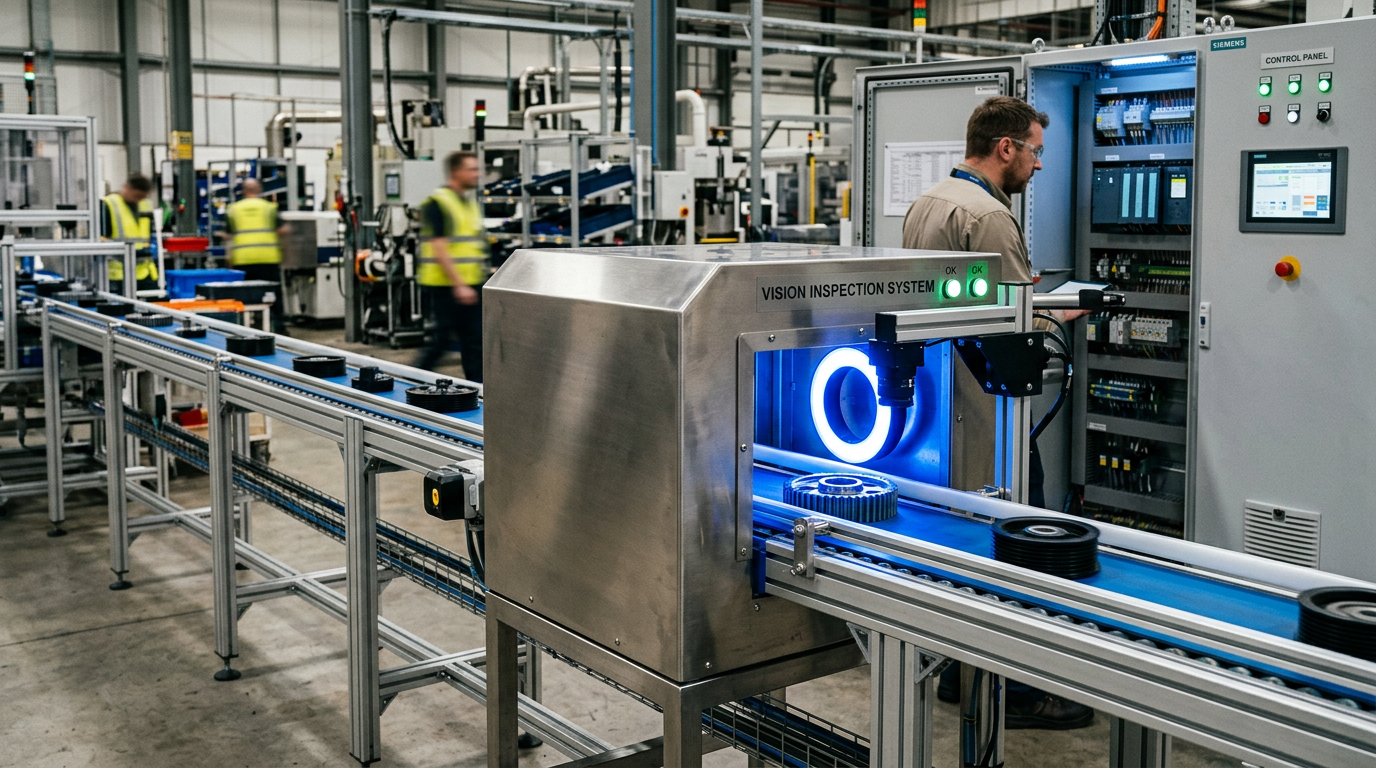
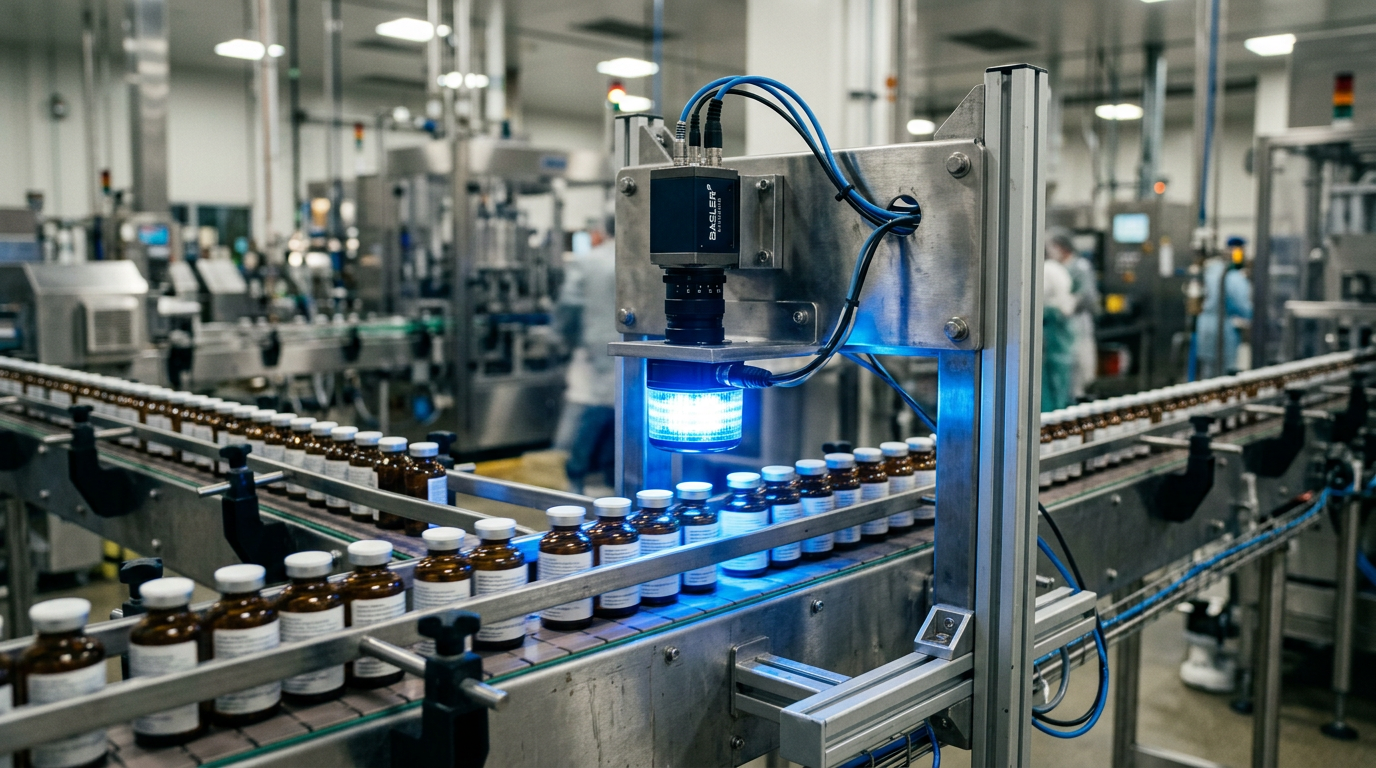
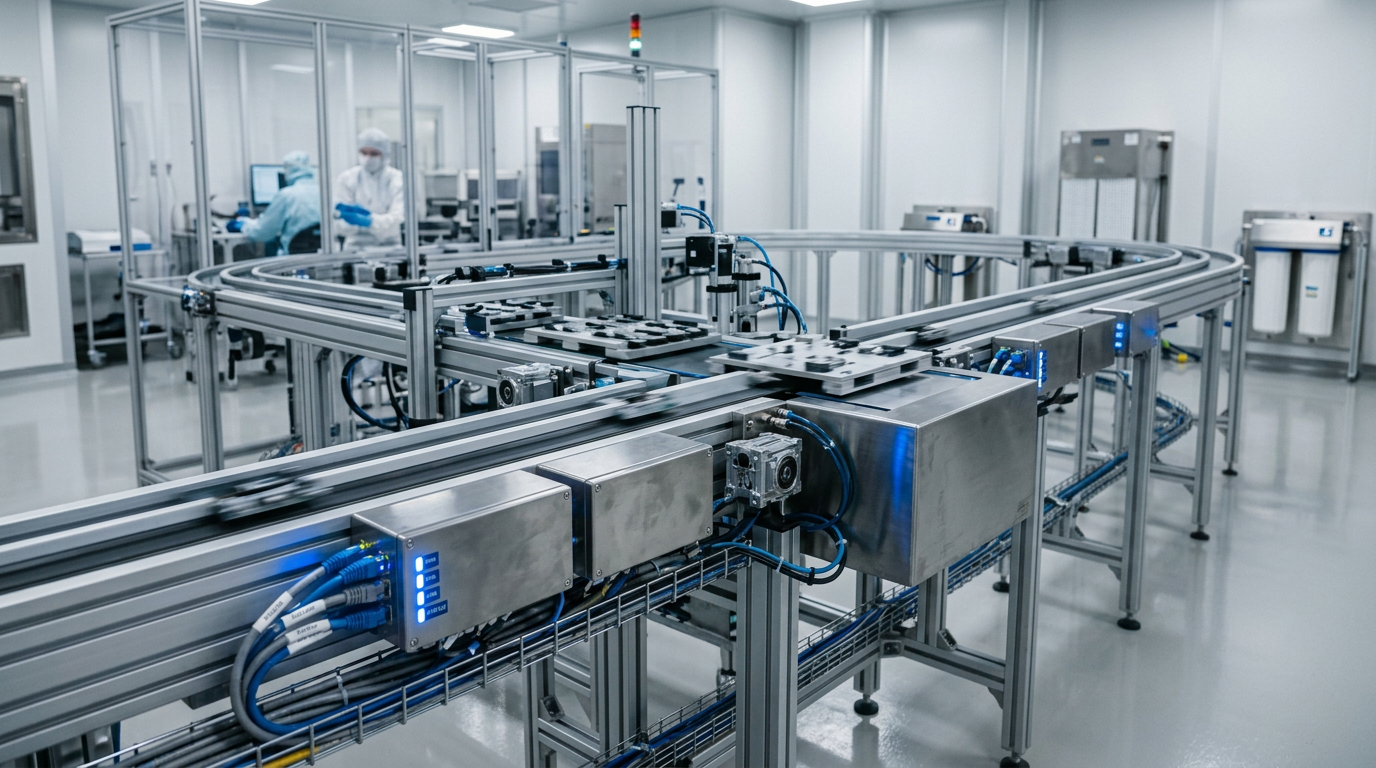
The Role of OPC UA Integration in Modern Smart Conveyor Modules
Learn how OPC UA integration transforms modular conveyors into intelligent data nodes, enhancing interoperability, security, and predictive maintenance.
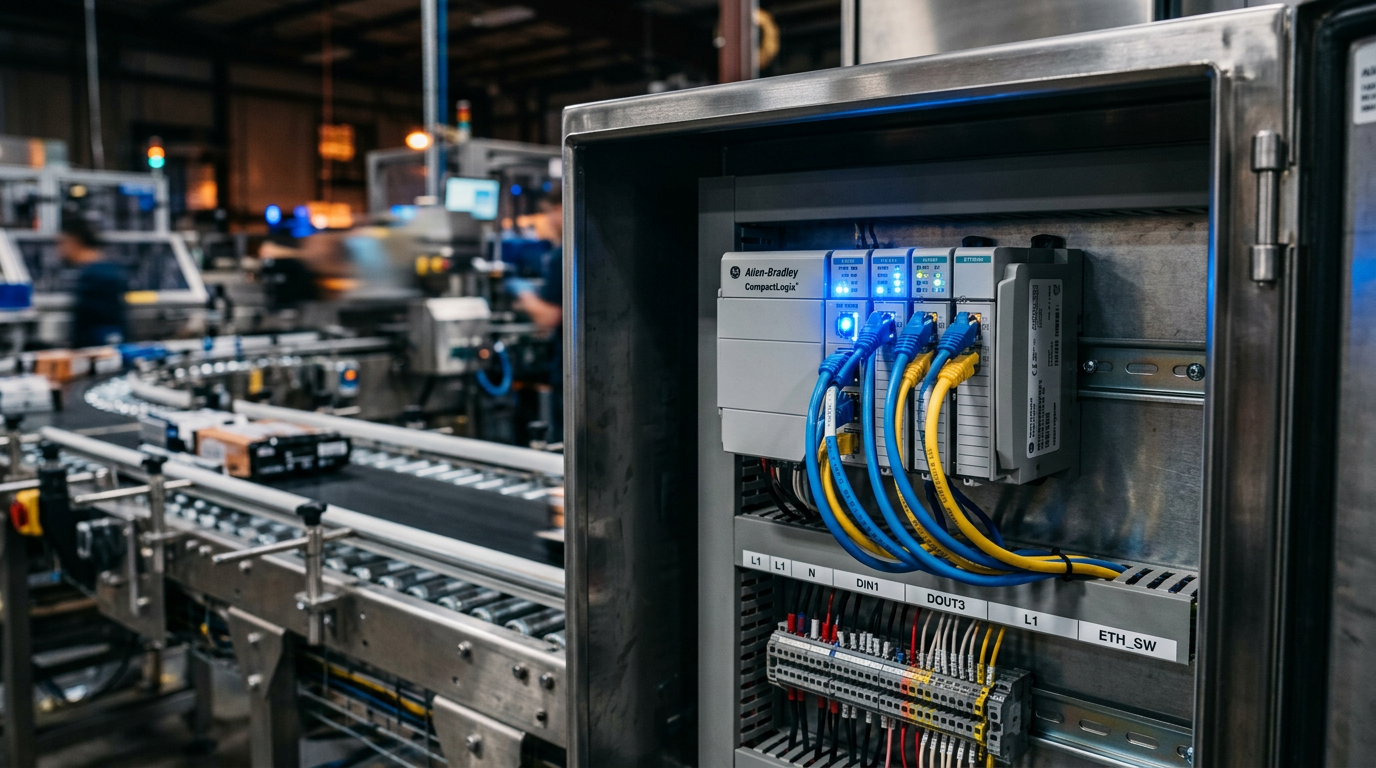
Integrating OPC UA into smart conveyor modules provides a standardized, vendor-neutral communication framework that enables real-time data exchange across the production floor, typically reducing integration time by 40% compared to proprietary protocols. By utilizing the OPC UA Information Model (IEC 62541), conveyor systems transition from simple mechanical transport units into intelligent edge devices capable of reporting vibration telemetry, motor temperature, and energy efficiency metrics directly to MES or ERP layers.
The Architecture of Smart Conveying with OPC UA
The shift toward Industry 4.0 has transformed the humble conveyor from a "dumb" asset into a critical data node. OPC UA (Open Platform Communications Unified Architecture) serves as the backbone for this transformation. Unlike traditional fieldbus systems that focus strictly on cyclic I/O data, OPC UA is service-oriented and object-modeled.
For a smart conveyor module, this means every component—from the variable frequency drive (VFD) to the photoelectric sensors—can be represented as an object with specific properties and methods. For instance, a conveyor "Object" might include variables like BeltSpeed, MotorCurrent, and PaceCounter, alongside methods like ResetMaintenanceTimer().
This semantic interoperability allows different brands of equipment to "talk" to one another without custom drivers. For example, Easy Conveyors designs modular systems that can easily incorporate intelligent control nodes, ensuring that as your facility scales, the communication layer remains robust and future-proof.
Key Technical Benefits of OPC UA Integration
1. Vendor Neutrality and Interoperability
Historically, plant managers were locked into specific ecosystems (e.g., all Siemens or all Rockwell). OPC UA breaks these silos. A conveyor module using an OPC UA server can transmit data to a SCADA system from a different manufacturer without the need for protocol converters or middleware.
2. Built-in Security (IEC 62541)
Security is often an afterthought in industrial networking, but OPC UA treats it as a core requirement. It supports X.509 certificates for authentication, RSA encryption for data integrity, and granular user permissions. This is vital when conveyor data is sent to cloud-based analytics platforms for predictive maintenance.
3. Semantic Modeling
Traditional protocols send raw HEX or INT values. To understand them, you need a manual to know that "Address 4001" equals "Motor Temperature." OPC UA includes metadata. The system tells the client: "I am a motor, and my current temperature is 45.2°C." This self-describing nature simplifies VFD soft-start tuning and system commissioning.
Comparing Communication Protocols in Conveying
| Feature | Modbus TCP | PROFINET | OPC UA (IEC 62541) |
|---|---|---|---|
| Data Structure | Registers (Flat) | GSDML (Cyclic) | Information Models (Object-Oriented) |
| Security | None (Native) | Network-Level | Built-in (Signing & Encryption) |
| Interoperability | High (Basic) | Vendor-Dependent | Universal (PLC to Cloud) |
| Speed/Real-time | Medium | Excellent (IRT) | High (with Pub/Sub over TSN) |
| Metadata | No | Limited | Yes (Rich Semantic Context) |
Easy Conveyors stocks the industrial automation discussed here — ready to ship across Europe.
Implementation: From the Edge to the Cloud
Integrating OPC UA starts at the edge. Modern smart conveyor modules often utilize decentralized I/O blocks or smart motor starters that host their own OPC UA server.
The Role of Companion Specifications
To ensure consistency across the industry, "Companion Specifications" have been developed. The OPC UA for Machinery specification provides a standardized building block for machine status, identification, and energy usage. When selecting a conveyor module, verifying compliance with these specifications ensures that "State: Running" means the same thing across your entire packaging line.
Predictive Maintenance and Condition Monitoring
One of the most significant ROI drivers for OPC UA is predictive maintenance. By streaming high-frequency data such as torque ripples or belt tension variations, AI-driven platforms can predict a failure before it occurs. This transition from reactive to proactive maintenance is supported by the rich data environment of OPC UA. Understanding hygienic wash-down design requirements in conjunction with these electronics is crucial, as the sensors and I/O blocks must maintain IP69K ratings while housing the necessary processing power for the OPC UA stack.
Challenges and Considerations
While OPC UA is powerful, it requires more processing overhead than simple fieldbus protocols. Engineers must balance the frequency of data updates. For high-speed sortation, a hybrid approach is often best: use PROFINET or EtherCAT for the millisecond-level motion control and OPC UA for the "management data" (OEE tracking, diagnostics, and energy monitoring).
Furthermore, network topology matters. As more devices become OPC UA-enabled, the demand on the industrial Ethernet backbone increases. Implementing VLANs and managed switches is non-negotiable for stable operations.
Convergence with Time-Sensitive Networking (TSN)
The future of OPC UA in conveying lies in its combination with TSN. This evolution allows deterministic, real-time control to happen over the same physical wire as IT data. For large-scale e-commerce distribution centers, this means a single network architecture can handle both the high-speed divert timing and the high-level warehouse management system (WMS) updates simultaneously.
Conclusion
OPC UA integration is no longer a luxury for smart conveyor modules; it is the prerequisite for a digitally connected enterprise. By providing a secure, scalable, and semantic data layer, it empowers manufacturers to optimize their throughput and minimize downtime through advanced analytics. Whether you are focused on drum motor selection for a new line or upgrading an existing sortation system, ensuring your components are "OPC UA ready" is the most effective way to protect your long-term capital investment.
Frequently Asked Questions
What is OPC UA in the context of industrial automation?
OPC UA (Open Platform Communications Unified Architecture) is a platform-independent, service-oriented architecture for industrial automation that allows different devices and systems to communicate securely and model data semantically.
Why choose OPC UA over Modbus TCP for conveyor systems?
Unlike traditional protocols that only send raw values, OPC UA includes metadata (context). It also features built-in security certificates and encryption, making it ideal for PLC-to-Cloud communication where Modbus lacks native security.
How does OPC UA improve conveyor integration?
Standardized Information Models allow a SCADA system to recognize a conveyor's attributes (speed, status, faults) automatically, reducing manual tag mapping and integration time by up to 40%.
Can OPC UA be used for real-time motion control?
Yes, OPC UA can run alongside deterministic protocols. Many engineers use EtherCAT for sub-millisecond motion control and OPC UA for reporting performance data to the MES/ERP.
What companion specifications should I look for?
Look for 'OPC UA for Machinery' or the specific 'OPC UA for Weighing Technology' (for scale conveyors) to ensure standardized data structures.