OEE Improvement Through Line Balancing in Modular Conveyor Systems
Improve OEE through expert line balancing. Learn how modular conveyor systems optimize throughput, reduce bottlenecks, and synchronize machine cycle times.
Overall Equipment Effectiveness (OEE) improvement through line balancing in modular conveyor systems is the process of synchronizing the throughput speed and buffering capacity of individual conveyor segments to eliminate bottlenecks and minimize equipment downtime. By aligning the cycle times of interconnected machines, manufacturers can maximize the availability, performance, and quality of a production line.
Key Takeaways
- Synchronized Flow: Effective line balancing prevents "starving" (upstream delays) and "blocking" (downstream congestion), which are primary killers of OEE performance.
- Modular Flexibility: Modular conveyor systems allow for rapid reconfiguration of buffer zones and accumulation lengths without replacing the entire infrastructure.
- Data-Driven Adjustments: Utilizing VFDs (Variable Frequency Drives) and sensors on modular segments enables real-time adjustments to match machine cycle times.
- Reduced Wear: Balanced lines operate with fewer start-stop cycles, extending the mean time between failures (MTBF) for motors and belts.
Understanding the Relationship Between OEE and Line Balancing
In modern manufacturing, OEE is the gold standard for measuring productivity. It is calculated by multiplying three factors: Availability, Performance, and Quality. While a CNC machine or a filling station might have high individual efficiency, the modular conveyor system acting as the "connective tissue" often dictates the overall system OEE.
Line balancing ensures that every component of the production line works in harmony. If a modular conveyor moves products faster than the next machine can process them, back-pressure builds up, leading to micro-stops and potential product damage (affecting Quality and Performance). Conversely, if the conveyor is too slow, the downstream machine sits idle (affecting Availability). Modular systems provide the mechanical agility required to tune these speeds precisely.
Identifying the Bottleneck: The Theory of Constraints
The first step in OEE improvement is identifying the "bottleneck"—the resource with the lowest capacity that limits the entire line's output. In many facilities, the bottleneck is a high-value machine, such as a palletizer or a sterile filler.
To protect the bottleneck, modular conveyors must serve two roles:
- Uniform Infeed: Ensuring the bottleneck always has a queue of work (preventing "starving").
- Rapid Outfeed: Ensuring products are moved away quickly enough that the bottleneck never has to stop (preventing "blocking").
By utilizing modular sections, engineers can implement specific designs like Alpine conveyors or spiral elevators to create vertical accumulation. This provides the necessary "dwell time" to absorb minor fluctuations in machine performance without stopping the entire line.
Modular Conveyor Features That Enhance OEE
Unlike fixed-length traditional systems, modular conveyors offer specific technical advantages for line balancing:
1. Adjustable Speed Zones
Modular systems are typically powered by distributed drive units. By equipping these units with IE3 or IE4 high-efficiency motors controlled by independent VFDs, operators can create "speed zones." For instance, a zone immediately following a labeling machine might run 10% faster to pull a gap between products, facilitating smooth downstream inspection.
2. Intelligent Buffering and Accumulation
Dynamic buffering is essential for maintaining OEE when machines require short cleaning cycles or tool changes. Modular plastic chain conveyors are particularly effective for low-back-pressure (LBP) accumulation. These chains feature rollers that allow the belt to continue moving underneath stationary products, preventing scuffing and reducing motor strain.
3. Rapid Scalability
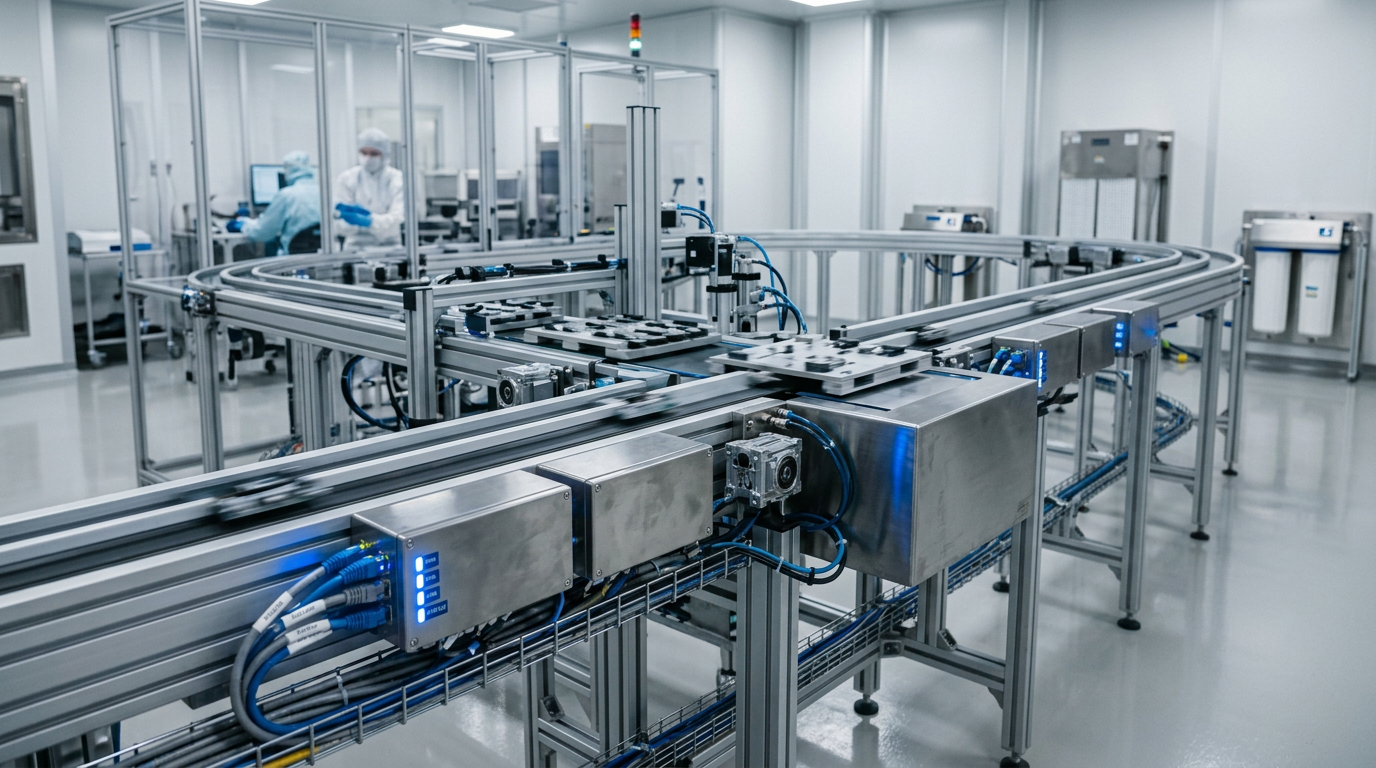
Production demands change. A modular system allows for the insertion of extra segments or the rerouting of flows with minimal downtime. Easy Conveyors specializes in these modular building blocks, providing the standardization required to quickly adapt a line’s physical footprint to new balancing requirements.
Calculating the Balance: Takt Time and Cycle Time
To achieve a balanced line, engineers must align the Takt Time (the rate at which a finished product must be completed to meet customer demand) with the Cycle Time of each conveyor module and machine.
The Formula for Conveyor Speed: $$Speed (m/min) = \frac{Products\ per\ Minute \times Product\ Pitch\ (m)}{Conveyor\ Loading\ Efficiency}$$
If the conveyor speed is not synchronized with the machine’s cycle time, the OEE Performance loss begins to climb. Modular systems allow for the "fine-tuning" of the product pitch—the distance between items—by adjusting belt speeds or using indexed flighted belts.
Easy Conveyors stocks the industrial automation discussed here — ready to ship across Europe.
Strategies for OEE Optimization via Conveyor Design
The "Pulse" vs. Continuous Flow
In some assembly environments, a "pulse" or indexing movement is more efficient than continuous flow. Modular timing belt conveyors can provide sub-millimeter precision, ensuring that the OEE "Quality" metric is protected by placing parts exactly where robotic pick-and-place units expect them to be.
Diverting and Merging
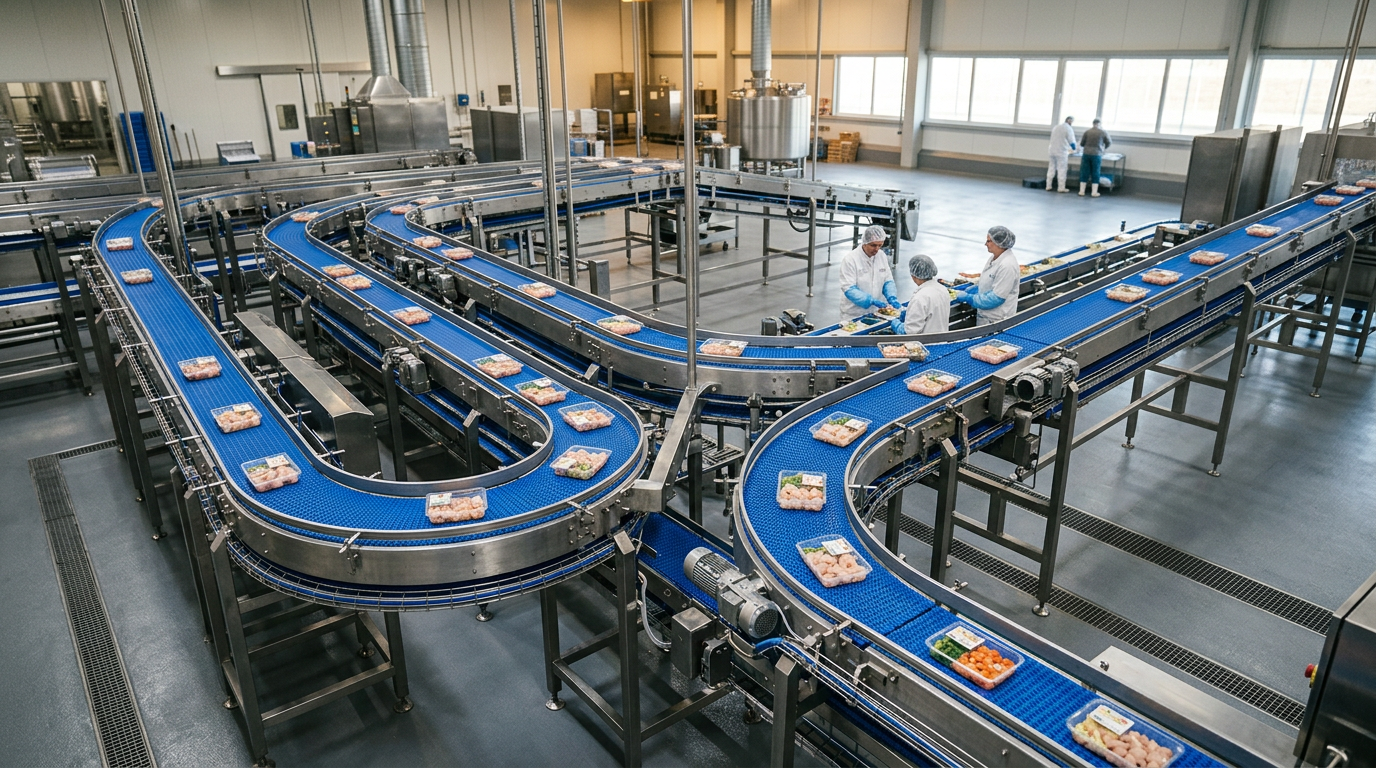
Line balancing often requires splitting a high-speed flow into multiple slower parallel streams. Modular switch modules and lane dividers can distribute the load. If one downstream machine fails, the modular diverter can automatically reroute the flow to the functional machines, maintaining the line's Availability score even during localized failures.
Impact of Friction and Mechanical Efficiency
Line balancing is also ruined by unpredictable mechanical drag. In modular systems, the choice of wear strips and chain materials (such as POM or specialized low-friction acetals) determines the consistency of the flow. Inconsistent friction leads to "surging," where products bunch up and then gap sporadically, making it impossible to maintain a steady Takt time.
Implementing Predictive Maintenance for OEE
Unplanned downtime is the enemy of OEE Availability. Modular conveyor systems simplify maintenance through:
- Tool-less Component Replacement: Many modular side guards and sensors can be adjusted or replaced by hand.
- Standardized Spares: Using a modular platform means fewer unique parts are held in inventory, reducing the Mean Time to Repair (MTTR).
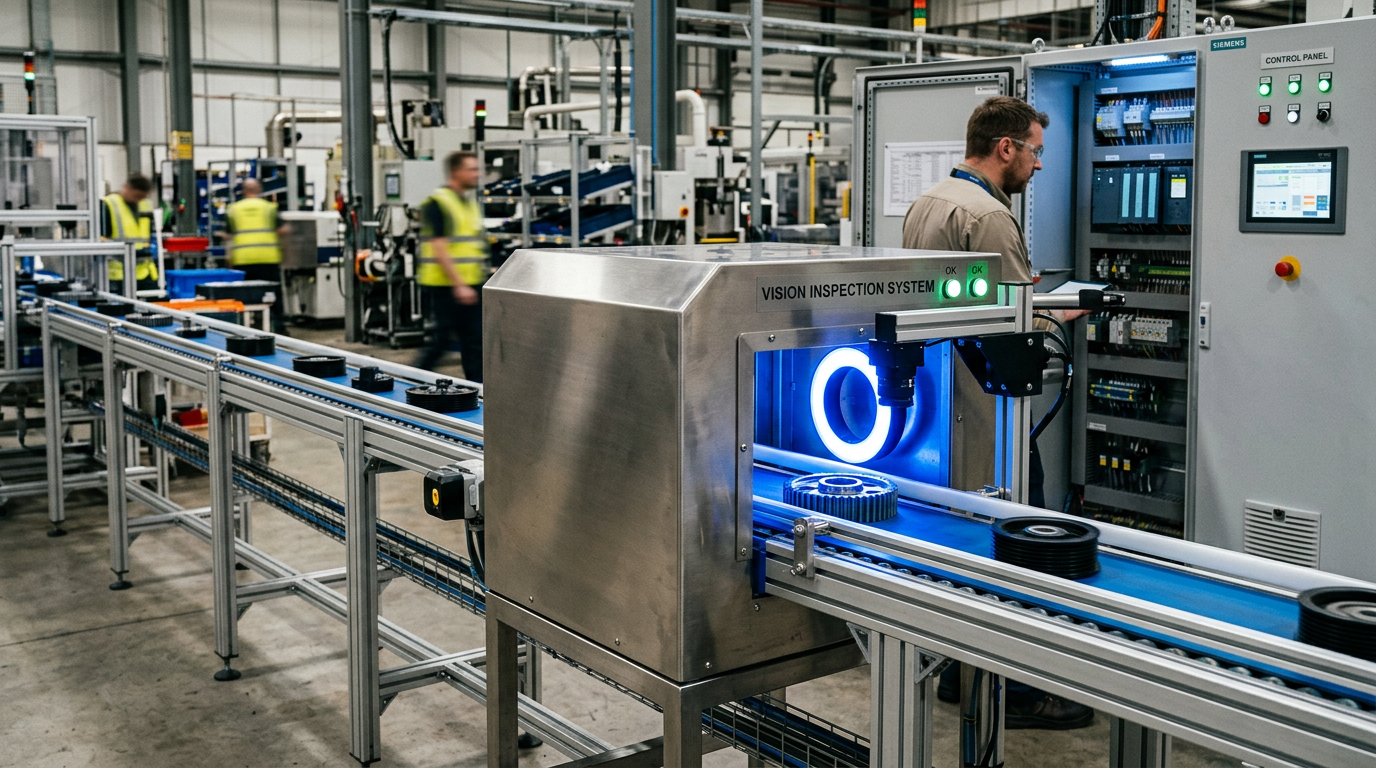
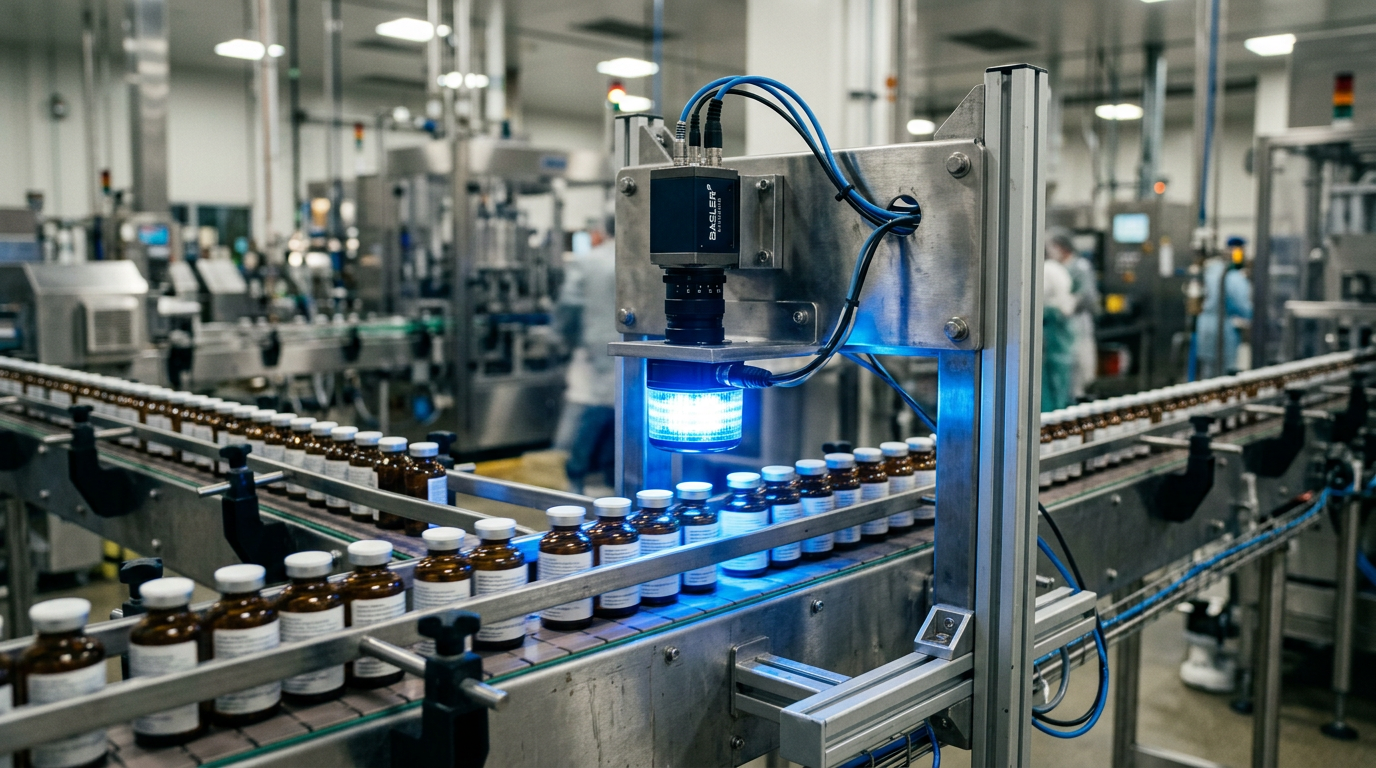
- Integrated Sensing: Modern modular frames often feature slots for industrial sensors (photoelectric, inductive) that monitor for product backups or belt slippage, feeding data directly into OEE monitoring software.
Future-Proofing with Modular Systems
As Industry 4.0 matures, the role of line balancing will shift from manual calculations to "Self-Optimizing Lines." Modular conveyors equipped with IO-Link sensors can communicate their current load and health status to a central PLC. If a downstream bottleneck is detected, the system can autonomously decelerate upstream modules or activate bypass loops to preserve the OEE of the overall facility.
By focusing on the "connective" modular segments rather than just the primary production machines, manufacturers can unlock hidden capacity and achieve the 85%+ OEE scores typically associated with world-class manufacturing.
Conclusion
OEE improvement is not a one-time setup but a continuous process of refinement. Line balancing through modular conveyor systems provides the mechanical and digital flexibility needed to respond to changing product formats, varying throughput demands, and the inevitable equipment hiccups of a busy factory floor. Investing in modularity is, fundamentally, an investment in the long-term OEE of the entire enterprise.
Frequently Asked Questions
How does line balancing directly affect OEE?
Line balancing synchronizes the speeds and capacities of all components in a production line. Without it, some machines sit idle (starving) while others are overwhelmed (blocking), leading to significant OEE performance losses.
How do I identify a bottleneck in a modular conveyor system?
The bottleneck is the segment or machine with the lowest throughput capacity. You can identify it by looking for where products consistently accumulate (upstream of the bottleneck) or where machines are frequently idle (downstream).
What is the role of buffering in OEE improvement?
Accumulation or buffering provides a 'time cushion.' If a machine has a micro-stop (e.g., 30 seconds for a label roll change), the buffer absorbs the continued output from upstream machines, preventing the entire line from stopping.
Why are modular conveyors better for line balancing than custom-fixed systems?
Modular systems use standardized sections that can be easily lengthened, shortened, or rerouted. This allow engineers to add accumulation zones or change motor speeds in specific areas to address new bottlenecks as production needs change.
What role do Variable Frequency Drives (VFDs) play in line balancing?
VFDs allow for precise control of motor speeds. In line balancing, VFDs are used to create speed gradients, allowing conveyors to 'pull gaps' between products or slow down to prevent high-pressure collisions at a downstream stop.
Sources & references
- [1]Overall Equipment Effectiveness (OEE) and Line Balancing Concepts
- [2]ISO 22400-2:2014 Automation systems and integration — Key performance indicators (KPIs) for manufacturing operations management
- [3]Modular Conveyor Systems and Throughput Optimization Solutions
- [4]Line Balancing and Manufacturing Simulation for Efficiency Improvement
- [5]Intralox Layout Optimization and Line Balancing Services