Designing Modular Sortation Systems for E-commerce Fulfilment Centres
Modular sortation systems increase e-commerce throughput by 40% using decentralized DC drives and swivel-wheel diverts. Learn sizing rules and design trade-offs.
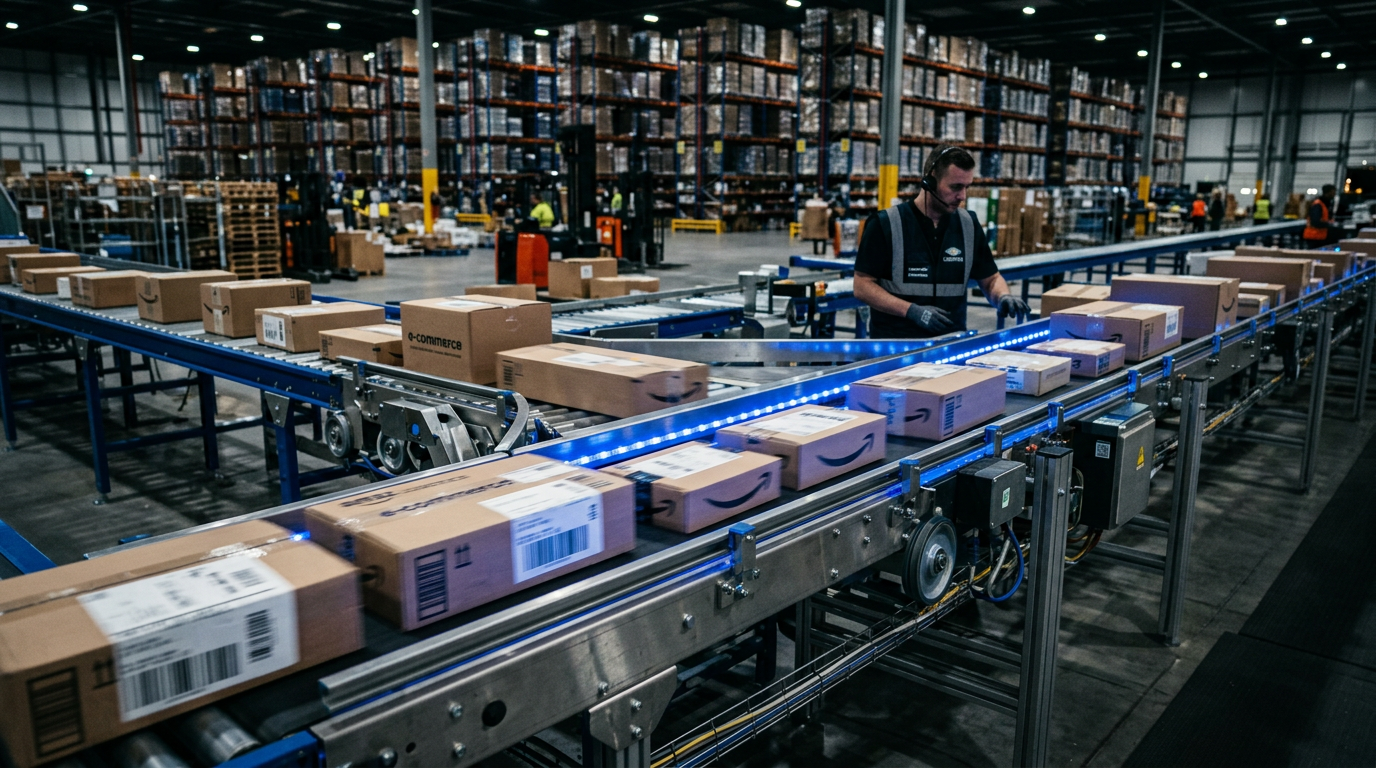
Modular sortation systems for e-commerce fulfilment centres can increase throughput by up to 40% compared to fixed-path conveyors by utilizing decentralized control logic and interchangeable divert modules. In high-volume environments, these systems typically achieve divert rates of 1,500 to 6,000 units per hour (UPH) depending on parcel weight and the physical footprint of the sortation zone.
Modern e-commerce logistics demands extreme flexibility. The shift from pallet-level distribution to individual parcel delivery (B2C) has forced fulfilment centres to adopt systems that can handle a "unit of one." Traditional high-speed shoe sorters or cross-belt sorters remain relevant for massive hubs, but modular sortation systems are now the preferred choice for micro-fulfilment and regional DCs due to their lower capital expenditure (CapEx) and the ability to scale as order volumes grow.
The Architecture of Modular Sortation
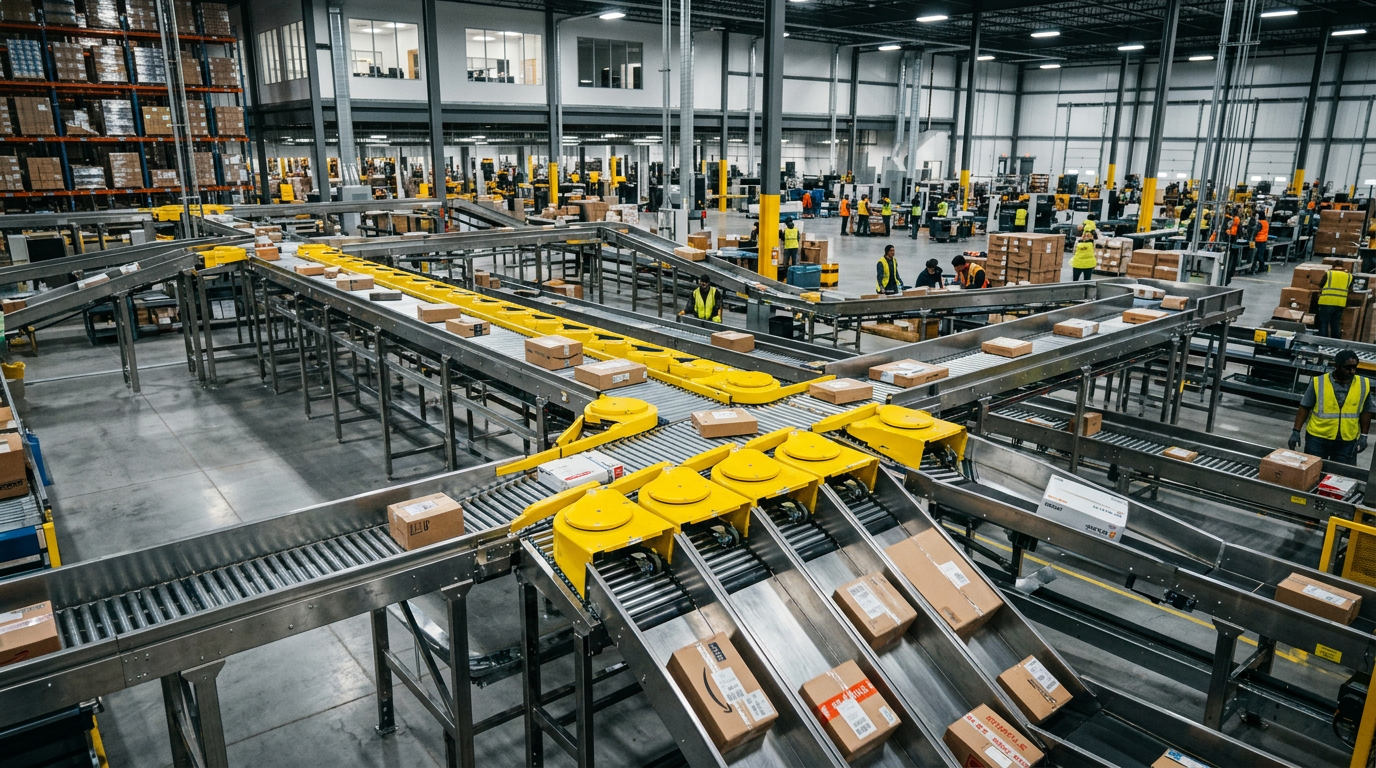
A modular sortation system is defined by its ability to be reconfigured without extensive mechanical redesign. Unlike monolithic sorters, these systems consist of standardized segments—straight tracks, curves, and divert units—that share a common mechanical and electrical interface.
Key Components of the Modular Sorter
- Divert Modules: These are the "intelligence" of the line. Common types include 24V DC pop-up roller transfers, swivel-wheel diverts, and overhead pushers. Swivel wheels are particularly effective for parcels ranging from 50g to 35kg, offering smooth transitions without stopping the main flow.
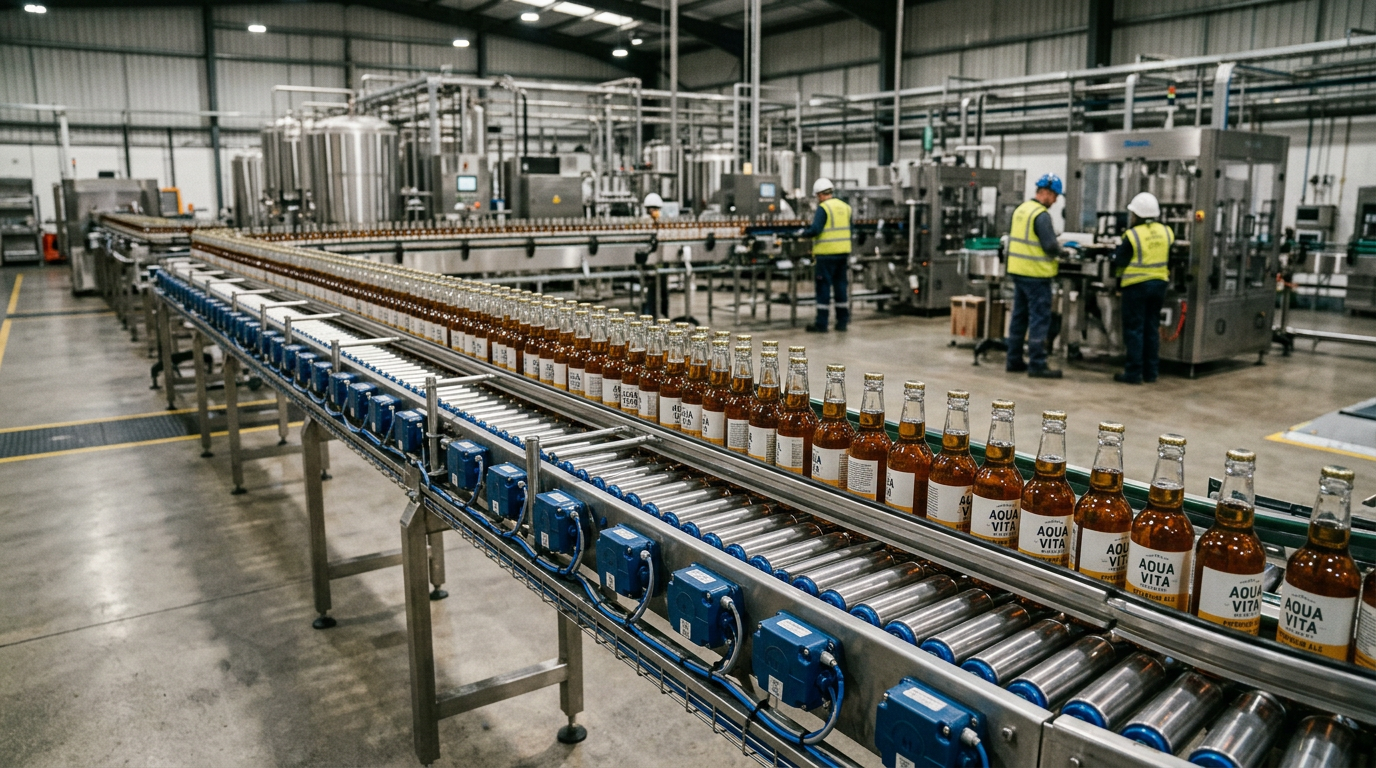
- Drive Technology: Most modular systems leverage Motorized Drive Rollers (MDR) operating on 24V or 48V DC power. According to SEW-Eurodrive, decentralized drive systems reduce energy consumption by up to 30% because rollers only activate when a parcel is present ("run-on-demand").
- Control Logic: Localized PLC or PC-based controllers manage the "windowing" of parcels. By maintaining a precise gap between items, the system ensures that divert gates have sufficient reset time between activations.
Performance Metrics and Sizing Rules of Thumb
When designing a sortation zone, engineers must balance linear speed with divert frequency. A common mistake is over-specifying belt speed without considering the "cycle time" of the divert mechanism.
| Feature | Pop-Up Roller Sorter | Swivel-Wheel Sorter | Cross-Belt (Modular) |
|---|---|---|---|
| Max Throughput | 1,500 - 2,500 UPH | 3,000 - 6,000 UPH | 8,000+ UPH |
| Min Parcel Size | 100 x 100 mm | 50 x 50 mm | 50 x 50 mm |
| Max Weight | 50 kg | 35 kg | 50 kg |
| Energy Source | Pneumatic or 24V | 24V / 48V DC | Linear Synchronous Motor |
| Maintenance | Medium (Belts/Air) | Low (Plug-and-play) | High (Precision Rails) |
To calculate the required speed, use the formula: Velocity (m/s) = (Required UPH × (Average Parcel Length + Gap)) / 3600. For a typical e-commerce flow of 3,000 UPH with 400mm parcels and a 200mm gap, the line must run at a minimum of 0.5 m/s.
Engineering Advantages of Modularity
The primary driver for selecting modular systems like those offered by Easy Conveyors is the reduction in "Time-to-Market." Traditional custom-engineered sorters require months of lead time for design and fabrication. Modular systems, using off-the-shelf components, can be commissioned in weeks.
Scalability and "Phased Investment"
In e-commerce, peak seasons (like Black Friday) can see volumes 5x higher than the annual average. Modular systems allow operators to start with a basic sortation loop and add additional divert modules or "outfeeds" as volume dictates. This aligns with Lean Manufacturing principles by avoiding "Over-Processing" and unnecessary initial investment.
Maintenance and Downtime Reduction
The "Mean Time to Repair" (MTTR) is significantly lower in modular setups. If a swivel-wheel module fails, the entire unit can often be swapped out in under 15 minutes by disconnecting a few M12 power/data cables and unbolting the frame. This is a critical advantage over integrated shoe sorters, where a single broken "slat" might require hours of disassembly.
Easy Conveyors stocks the material handling discussed here — ready to ship across Europe.
Integration with Automation and Robotics
As fulfilment centres move toward "lights-out" operations, modular sortation must interface seamlessly with:
- Vision Systems: High-speed cameras located upstream of the sortation zone read 1D/2D barcodes or use OCR to determine the destination.
- AMRs (Autonomous Mobile Robots): Sorters often act as the bridge between fixed conveyor lines and AMRs, precisely depositing parcels into robot-mounted bins.
- Dimensioning & Weighing: Integration with NEMA-rated enclosures for weighing scales ensures that shipping costs are calculated accurately before the final sort to the courier lane.
Common Failure Modes and Troubleshooting
Despite their reliability, modular sorters face specific challenges in high-duty environments:
- Divert Jamming: Often caused by "polybags"—the thin plastic bags common in apparel e-commerce. These can get caught between rollers. Using "small-pitch" rollers or specialized transition plates mitigates this risk.
- Sensor Blindness: Dust accumulation on photo-eyes can lead to missed diverts. Standard IP67-rated sensors should be used, but regular cleaning protocols are still mandatory.
- Communication Latency: In decentralized systems, if the fieldbus (EtherCAT or Profinet) has high jitter, the timing of the divert pulse may shift, causing parcels to miss their target lane.
Safety and Compliance
Safety in sortation zones is governed by international standards such as ISO 12100 for machinery safety. Designers must ensure:
- Emergency Stops (E-Stops): Must be accessible at every divert station.
- Guarding: Protective mesh or plexiglass should prevent operator reach-in during high-speed operation.
- Noise Levels: Modular systems with DC drives are significantly quieter (<70 dB) than pneumatic systems, contributing to better ergonomic conditions for workers in the vicinity.
When evaluating a modular sortation system, focus on the versatility of the divert mechanism and the ease of integration with your existing WMS (Warehouse Management System). By selecting a system that prioritizes modularity, fulfilment centres can remain agile in the face of ever-shifting consumer demands.
Frequently Asked Questions
How do I calculate the UPH (Units Per Hour) for a modular sorter?
Throughput is calculated by dividing the conveyor speed (m/s) by the sum of the average parcel length and the required gap, then multiplying by 3,600. Accuracy depends on the divert cycle time.
Are pneumatic or electric diverts better for e-commerce?
Standard 24V or 48V DC swivel-wheel modules are generally better for e-commerce because they handle polybags and varying carton sizes more reliably than pneumatic pushers.
Can I add more divert points to an existing modular sorter?
Yes, modular systems are designed for this. You can add divert modules or extend the main conveyor line by connecting standardized mechanical frames and daisy-chaining the control bus.
How do modular sorters handle polybags and soft packaging?
Polybags can 'wrap' around rollers. To prevent this, designers should use small-diameter rollers, minimize gaps at transition points, and use specialized belt-over-roller divert modules.
What is the energy efficiency of modular sortation vs. traditional systems?
Modular systems typically use 24V/48V DC Motorized Drive Rollers (MDR) which consume significantly less power than 3-phase AC motors and pneumatic compressors.