Optimizing E-Commerce Throughput with Modular Sortation Systems
Discover how modular sortation systems are revolutionizing e-commerce fulfilment with scalable, high-speed divert modules and decentralized controls.
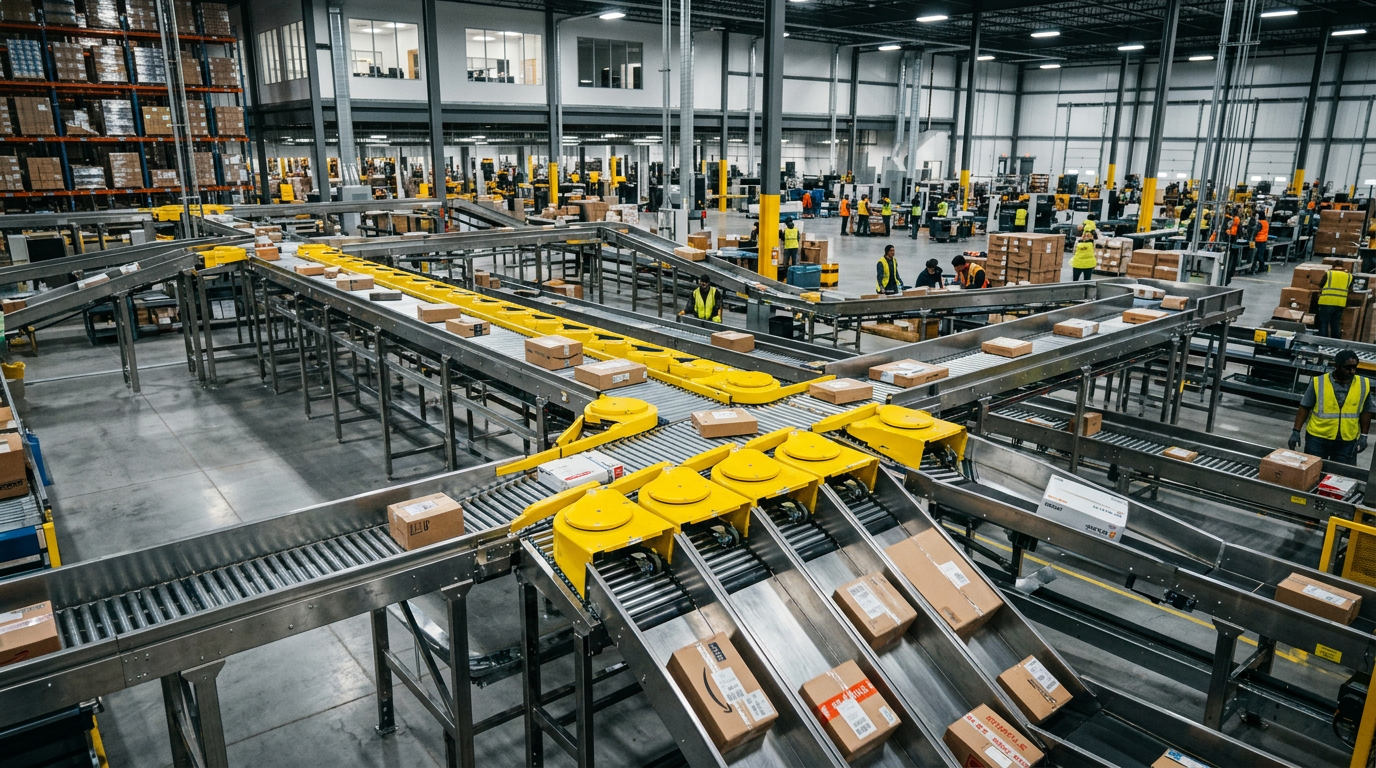
Modular sortation systems for e-commerce fulfilment centres increase operational throughput by up to 40% compared to fixed-path conveyors by utilizing independent divert modules that can be reconfigured or expanded within a single shift. These systems typically achieve peak sortation rates between 2,500 and 10,000 units per hour (UPH) while maintaining a spatial footprint 30% smaller than traditional tilt-tray or cross-belt sorters.
The Evolution of Sortation in Modern Logistics
The rapid growth of global e-commerce has shifted the demand from bulk pallet movements to high-velocity piece picking and individual parcel routing. In this environment, the traditional "fixed-asset" mentality of material handling is being replaced by modularity. Modular sortation systems allow facility managers to scale their infrastructure in line with seasonal peaks without the need for extensive structural modifications.
Unlike legacy systems that rely on a single, continuous chain or belt, modular systems are composed of discrete segments. Each segment—whether a roller top belt, a pop-up diverter, or a swivel wheel module—operates as a plug-and-play unit. This architecture is governed by standards such as ISO 12100 for machine safety, ensuring that even as modules are swapped, the system maintains rigorous safety protocols.
Key Components of Modular Sortation Systems
The efficiency of a modular sorter depends on the seamless integration of mechanical hardware and decentralized control logic. These systems generally consist of three primary zones: the induction zone, the transport deck, and the divert modules.
1. High-Speed Induction Modules
Induction is where the system identifies the parcel using 6-sided barcode scanning or RFID. For a modular system to function correctly, induction must be metered. Using variable frequency drive (VFD) technology, the system adjusts the gap between parcels to ensure that the divert modules have the required "window" to activate. Precision and timing are critical here to prevent jams at the discharge points.
2. Divert Technologies: Swivel Wheels vs. Roller Belts
The "heart" of the modular sorter is the divert mechanism. There are two dominant technologies used in e-commerce:
- Swivel Wheel Sorters: These modules use rows of powered wheels that can pivot at angles ranging from 30° to 90°. They are ideal for medium-sized parcels and polybags.
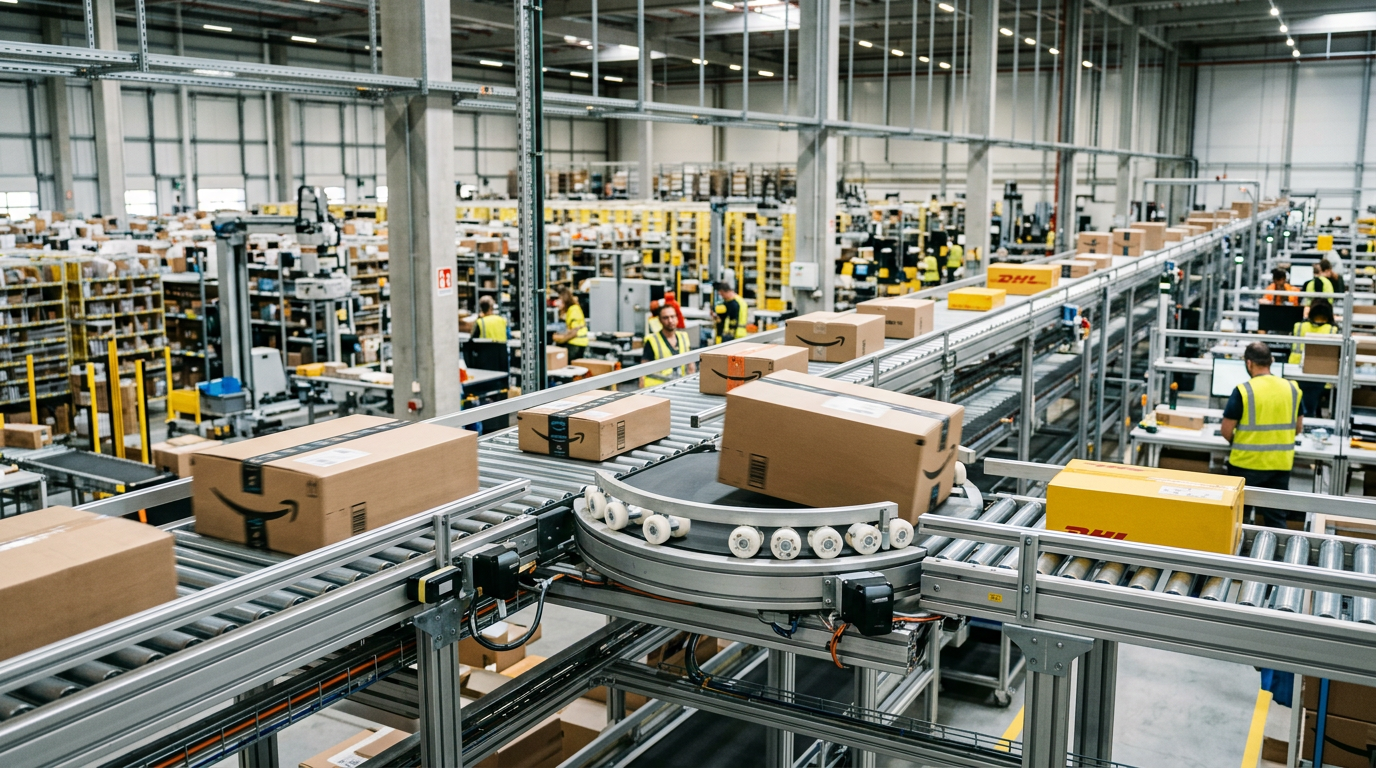
- Roller Top Belts: These utilize belts embedded with small omnidirectional rollers. When a secondary belt or plate underneath moves, it triggers the rollers to rotate, moving the parcel laterally.
3. Decentralized Control Architecture
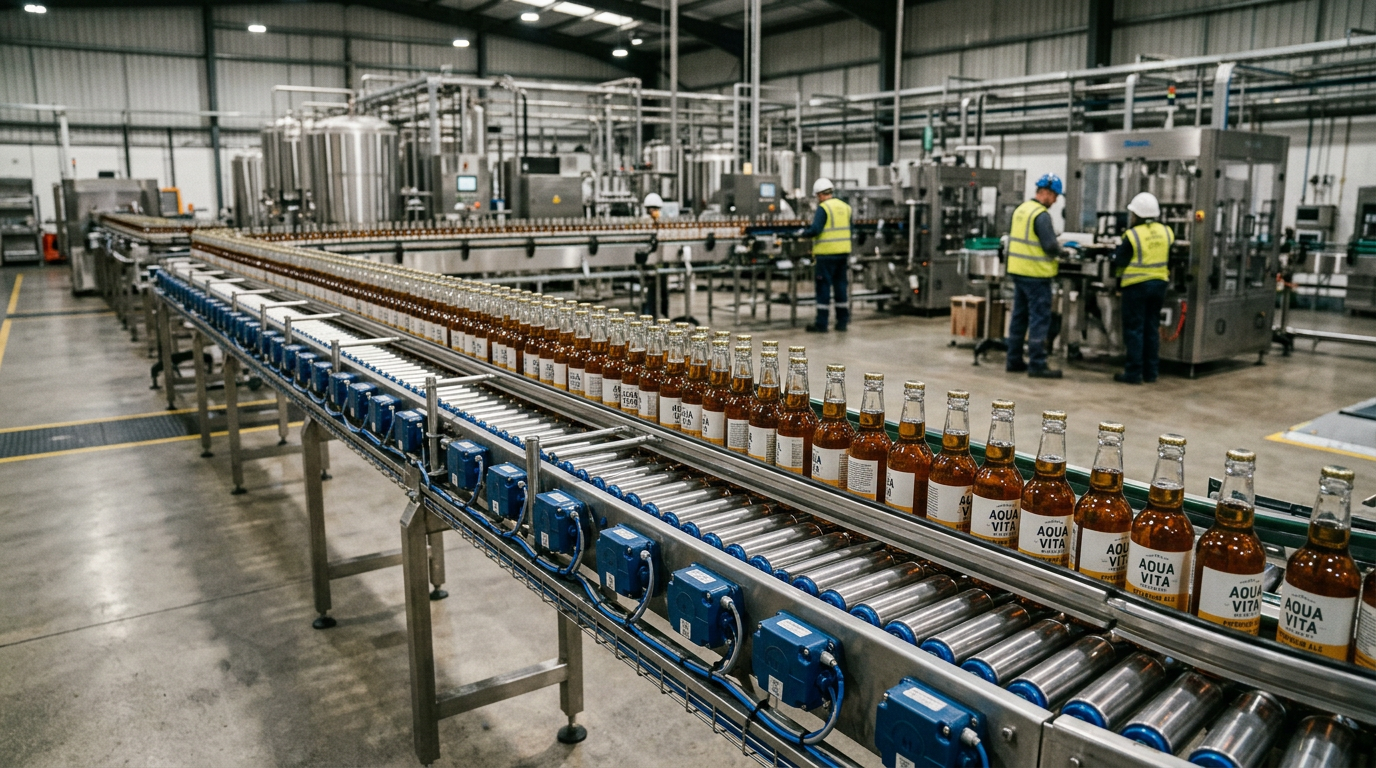
Modern modular systems often move away from a single, massive PLC cabinet toward decentralized I/O. Each module typically houses its own motor controller, often communicating via EtherNet/IP or PROFINET. This allows for "hot-swappable" components where a damaged divert module can be replaced with a spare in minutes, significantly reducing Mean Time to Repair (MTTR).
Comparing Modular Sortation vs. Traditional Fixed Systems
| Feature | Modular Sortation Modules | Traditional Tilt-Tray Sorters |
|---|---|---|
| Throughput (UPH) | 2,500 – 10,000 | 10,000 – 25,000+ |
| Installation Time | Days / Weeks | Months |
| Expansion Flexibility | Extremely High (Plug-and-play) | Low (Requires redesign) |
| Maintenance Impact | Segmented (Redundancy benefit) | System-wide downtime |
| Energy Efficiency | High (Run-on-demand) | Medium (Constant motion) |
| Typical Load Range | 0.1kg – 35kg | 0.5kg – 50kg |
Easy Conveyors stocks the material handling discussed here — ready to ship across Europe.
Integration with Upstream and Downstream Processes
A modular sortation system does not operate in a vacuum. It must interface with upstream high-speed belt conveyors and downstream gravity chutes or bagging stations. For companies looking to implement these systems in Western Europe or North America, Easy Conveyors provides the modular engineering foundation required to bridge these different functional zones. Their systems are designed to accommodate the rapid directional changes inherent in high-speed sortation.
In e-commerce, the "last mile" sort is the most critical. This is where parcels are grouped by postal code or carrier. Modular systems excel here because they can be easily lengthened to add more "outfeeds" as a company signs on more delivery partners.
Energy Efficiency and Sustainability
As energy costs rise, the efficiency of the drive systems becomes a primary procurement factor. Modern modular sorters utilize 24V or 48V Motorized Drive Rollers (MDR) that operate on a "run-on-demand" basis. This means the conveyor only moves when a parcel is present, potentially reducing energy consumption by up to 50% compared to continuous-run AC motors.
Furthermore, many of these systems comply with IEC 60034-30-1 efficiency classes, specifically focusing on IE3 or IE4 motor ratings for the primary induction belts. By reducing the idle time of the motors, fulfilment centres can significantly lower their carbon footprint while extending the life of the mechanical components.
Maintenance and Operational Reliability
The move toward modularity has fundamentally changed the "spare parts" strategy for operations managers. Instead of stocking hundreds of unique bearings and belts, facilities now stock complete "drop-on" modules.
Common failure modes in e-commerce sortation include:
- Label Wrap: Adhesive labels peeling off polybags and fouling the divert wheels.
- Sensor Misalignment: Dust or vibration knocking photo-eyes out of alignment, leading to "no-reads" or false diverts.
- VFD Faults: Electrical surges or thermal overloads in the decentralized motor controllers.
By utilizing modular designs, a technician can simply unbolt a fouled module and replace it with a refurbished one, performing the actual repair on a workbench rather than on the production floor. This aligns with modern lean manufacturing principles and the ISO 9001 focus on continuous improvement and process reliability.
Future Trends: AI and Autonomous Modular Units
The next frontier for modular sortation in e-commerce is the integration of AI-driven predictive maintenance. By monitoring the current draw and vibration signatures of each divert module, the system can predict a motor failure before it occurs.
Additionally, the rise of "AMR-ready" modular conveyors is helping facilities transition to a hybrid model where fixed modular sortation handles the bulk of the volume, while Autonomous Mobile Robots (AMRs) handle oversized or non-conveyable items. This hybrid approach ensures that the fulfilment centre remains resilient against changing product profiles and SKU proliferation.
In conclusion, modular sortation systems represent the pinnacle of flexible material handling. For e-commerce fulfilment centres facing unpredictable growth and labor shortages, the ability to rapidly deploy, scale, and maintain these systems is no longer a luxury—it is a competitive necessity. When selecting a partner for these implementations, it is essential to focus on standardized components and robust decentralized controls to ensure long-term viability.
Frequently Asked Questions
What is the maximum throughput of a modular sortation system?
Maximum throughput typically ranges from 2,500 to 10,000 units per hour (UPH) depending on parcel size and the number of divert modules. High-speed cross-belt sorters can exceed this, but modular systems offer superior flexibility.
Can modular sorters handle polybags and soft packaging?
They are highly effective for polybags, provided the system uses swivel wheel or roller-top technology with high-grip surfaces and small gaps between rollers to prevent the thin material from snagging.
Can I add more divert points after the initial installation?
Yes, modular systems are designed for easy expansion. Because they use decentralized controls and standardized mechanical frames, adding extra divert points can often be done over a standard weekend maintenance window.
What type of motors are used in modular sortation?
Most modular sorters utilize 24V or 48V DC Motorized Drive Rollers (MDR). These provide 'run-on-demand' functionality, which is significantly more energy-efficient than traditional AC motor drives.
How does modular sortation improve uptime compared to fixed systems?
Modular sorters use discrete divert segments that can be replaced in minutes (low MTTR), whereas traditional sorters often have a single point of failure (like a main chain) that can shut down the entire line for hours.