Modular Sortation Systems for E-commerce Fulfilment Centres
Modular sortation systems are revolutionizing e-commerce fulfilment. Learn how to scale throughput, reduce CAPEX, and optimize sortation modules for peak efficiency.
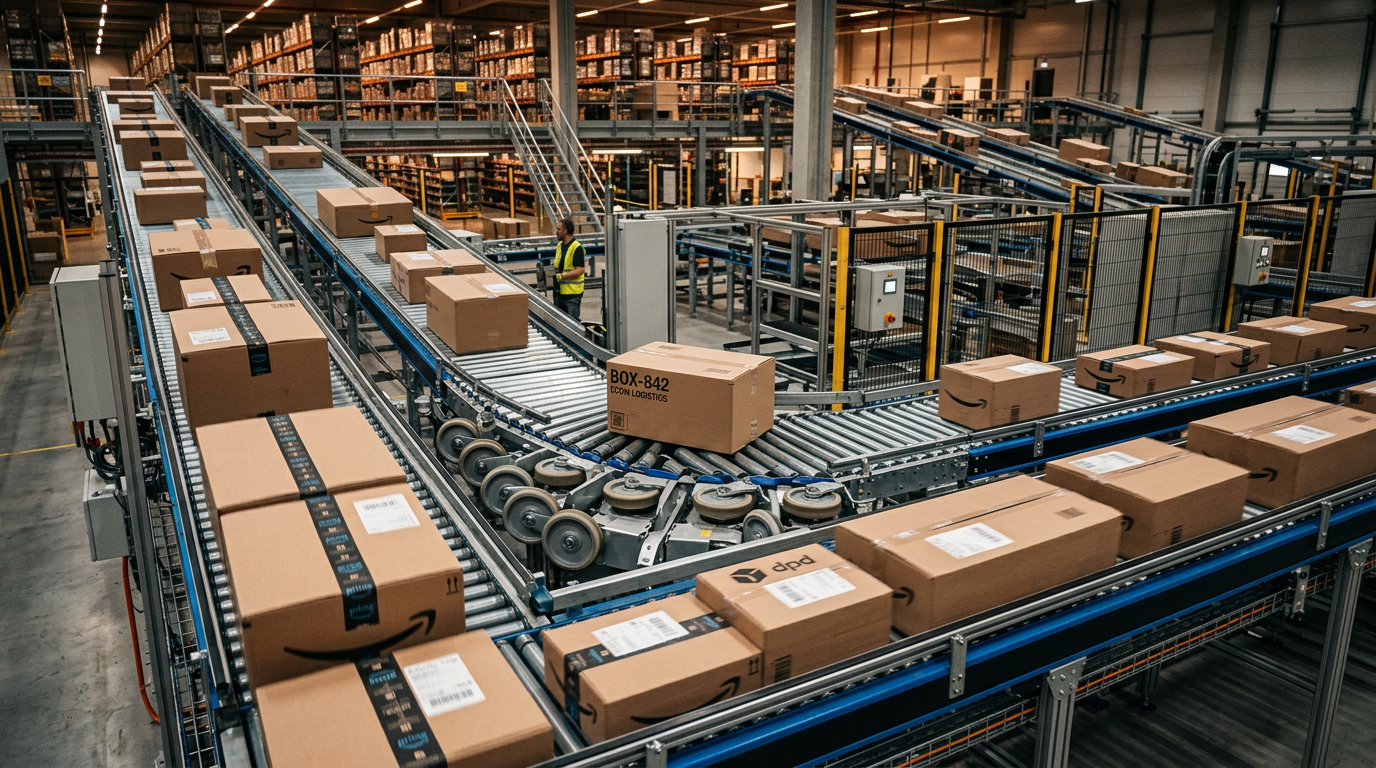
Modular sortation systems for e-commerce fulfilment centres provide the scalability required to handle peak season volumes, often delivering throughput rates between 2,000 and 10,000 items per hour depending on the diverter configuration. By utilizing standardized modules, these systems reduce installation time by up to 40% and allow for granular expansion as SKU counts or order volumes grow.
The Shift Toward Modular Sorting Architecture
The rapid growth of global e-commerce has rendered traditional, monolithic sortation systems increasingly obsolete. Where older systems required massive capital expenditure (CAPEX) and months of on-site construction, modular sortation systems prioritize "plug-and-play" versatility. These systems are typically built on a 24V or 48V DC infrastructure, utilizing decentralized control logic to manage individual divert zones.
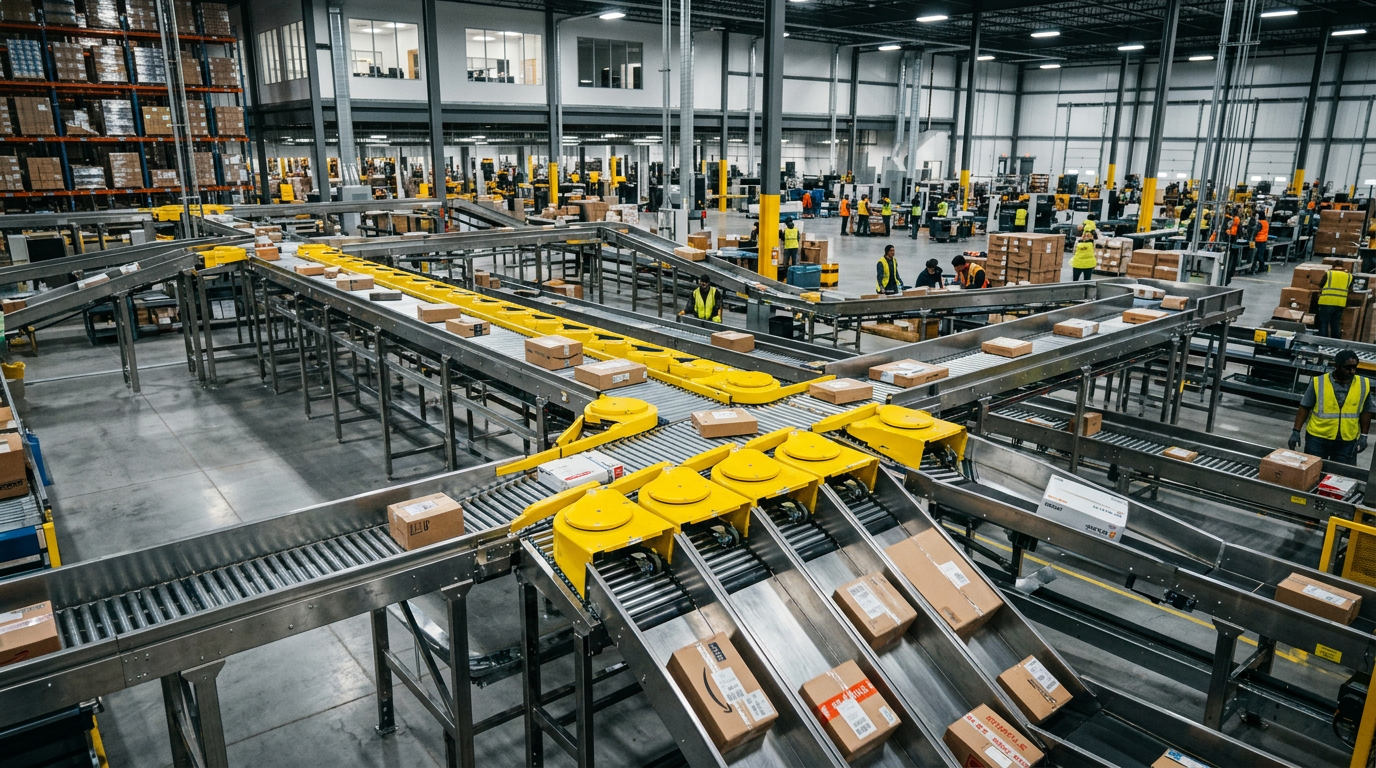
The core advantage of a modular approach is the ability to adapt to changing parcel profiles. In a modern fulfilment centre, a single line might handle polybags, Jiffy envelopes, and corrugated boxes of varying weights. Modular units, such as cross-belt modules, swivel wheel diverters, or pop-up rollers, can be swapped or added to the line without redesigning the entire controls architecture.
Technical Components of a Modular Sorter
A high-performance modular sortation system is comprised of four primary functional zones: the induction area, the transport section, the divert modules, and the outfeed chutes.
1. Induction and Singulation
Before sorting can occur, items must be "gapped" and singulated. Modular induction conveyors use variable speed belts or specialized VFD soft-start tuning to ensure that items enter the sorter with precise spacing. This spacing is critical for the sensors to identify the leading and trailing edges of each parcel correctly.
2. Divert Technologies
The "heart" of the system is the divert module. Common modular technologies include:
- Swivel Wheel Sorters: These use rows of multidirectional wheels that pivot to steer products at angles from 30 to 90 degrees.
- Cross-Belt Modules: High-precision carriages that use a small motorized belt to discharge items laterally.
- Vertical Switch Sorters: Used for multi-level sortation where floor space is limited.
When designing these lines, European engineering specialists like Easy Conveyors provide the structural backbone and modular rollers necessary to integrate these high-speed divert components into a cohesive flow.
3. Controls and Communication
Modern modularity relies on industrial Ethernet protocols (Profinet, EtherCAT, or EtherNet/IP). Each divert module often contains its own logic controller, allowing it to communicate its status to the Warehouse Control System (WCS). This decentralized approach means that a failure in one module does not necessarily shut down the entire facility—a vital feature for 24/7 e-commerce operations.
Performance Comparison: Modular Sorter Types
| Feature | Swivel Wheel Sorter | Cross-Belt Sorter | Pop-up Linear Sorter |
|---|---|---|---|
| Max Throughput | 5,000 - 8,000 pph | 10,000 - 25,000 pph | 2,000 - 4,000 pph |
| Typical Parcel Weight | 0.1 kg - 35 kg | 0.05 kg - 50 kg | 1 kg - 50 kg |
| Fragility Handling | Medium | High (Gentle) | Low |
| Maintenance Complexity | Low | High | Low |
| Footprint Requirement | Medium | Large | Small |
Easy Conveyors stocks the material handling discussed here — ready to ship across Europe.
Efficiency and Energy Standards
Energy efficiency is no longer optional in heavy-duty logistics. To comply with IEC 60034-30-1 Efficiency classes, modular sortation systems are increasingly moving toward IE4 and IE5 permanent magnet motors. Furthermore, the use of drum motor selection logic allows for internalizing the drive unit within the roller, reducing the physical footprint and eliminating external chains or belts that require frequent lubrication.
In many e-commerce environments, the "run-on-demand" feature is standard. Sensors detect the presence of a parcel, and only the active modules power up. This can reduce total energy consumption by up to 30% during non-peak shifts compared to continuously running legacy sorters.
Design Trade-offs: Scalability vs. Cost
While modularity offers flexibility, there are engineering trade-offs to consider:
- Initial Cost: The unit cost of a modular diverter is often higher than a bespoke fixed-path conveyor because each module includes its own motor, drive, and logic controller.
- Software Complexity: Managing a "fleet" of 50 independent divert modules requires a robust PLC architecture. Proper hygienic wash-down design is also a factor if the fulfilment centre handles groceries or pharmaceuticals alongside general merchandise.
- Physical Integration: Modular systems require standardized frame widths (typically 400mm, 600mm, or 800mm). Deviating from these standards for a specific legacy machine can negate the speed-of-installation benefits.
Operational Maintenance and Failure Modes
The most common failure points in modular sortation involve sensor misalignment and "jamming" due to debris (e.g., loose tape or plastic wrap) getting caught in the diverter mechanisms.
- Preventative Maintenance: Use thermal imaging to detect overheating in 24V DC drive cards.
- Predictive Analytics: Modern systems track the "actuation count" of each diverter. Once a swivel wheel reaches its rated life cycle (often 5 to 10 million cycles), it can be replaced during a scheduled maintenance window rather than failing during a Shift.
Selecting the right components, such as high-grip rollers or low-friction side guides, ensures that the system maintains its rated throughput even as parcel packaging becomes increasingly varied and unpredictable. For high-volume sortation, ensuring the belt tension is calibrated to prevent slippage during high-acceleration diverts is paramount to maintaining sorting accuracy. Dive deeper into the mechanics of drive systems by reviewing SEW-Eurodrive's guide to decentralised drives. Managing these systems effectively often involves understanding the nuances of motor torque limits and acceleration ramps to avoid damaging fragile e-commerce goods. For safety standards regarding conveyor design and operation, engineers should consult OSHA 1910.212 regarding machine guarding and emergency stops.
Frequently Asked Questions
What is the difference between modular sortation and conventional sortation?
Modular sortation uses standardized, pre-engineered units (like diverters/transfers) that can be added or rearranged on a common frame. Conventional sortation is usually a bespoke, fixed installation that is difficult to modify once built.
What is the weight range typical for modular sorters?
Most modular systems are designed to handle parcels from 50g (polybags) up to 35kg or 50kg (large cartons), depending on the specific divert technology used.
How many parcels per hour can a modular sorter handle?
While throughput varies, modular swivel wheel or cross-belt systems typically range from 2,000 to over 10,000 items per hour, with high-end modular loop sorters exceeding 20,000.
Are modular sortation systems more energy-efficient?
Modern modular sorters utilize 24V or 48V DC power and 'run-on-demand' controls, which can consume significantly less energy than large AC-driven central sortation motors that run continuously.
What are the standard widths for modular sorter frames?
Standard widths for modular conveyor frames are typically 400mm, 600mm, and 800mm to accommodate standard shipping box sizes and ensure compatibility between different module manufacturers.