Maximizing Efficiency with Modular Sortation Systems for E-Commerce
Discover how modular sortation systems revolutionize e-commerce fulfilment with scalable, 24V DC technology and high-speed divert modules for polybags and parcels.
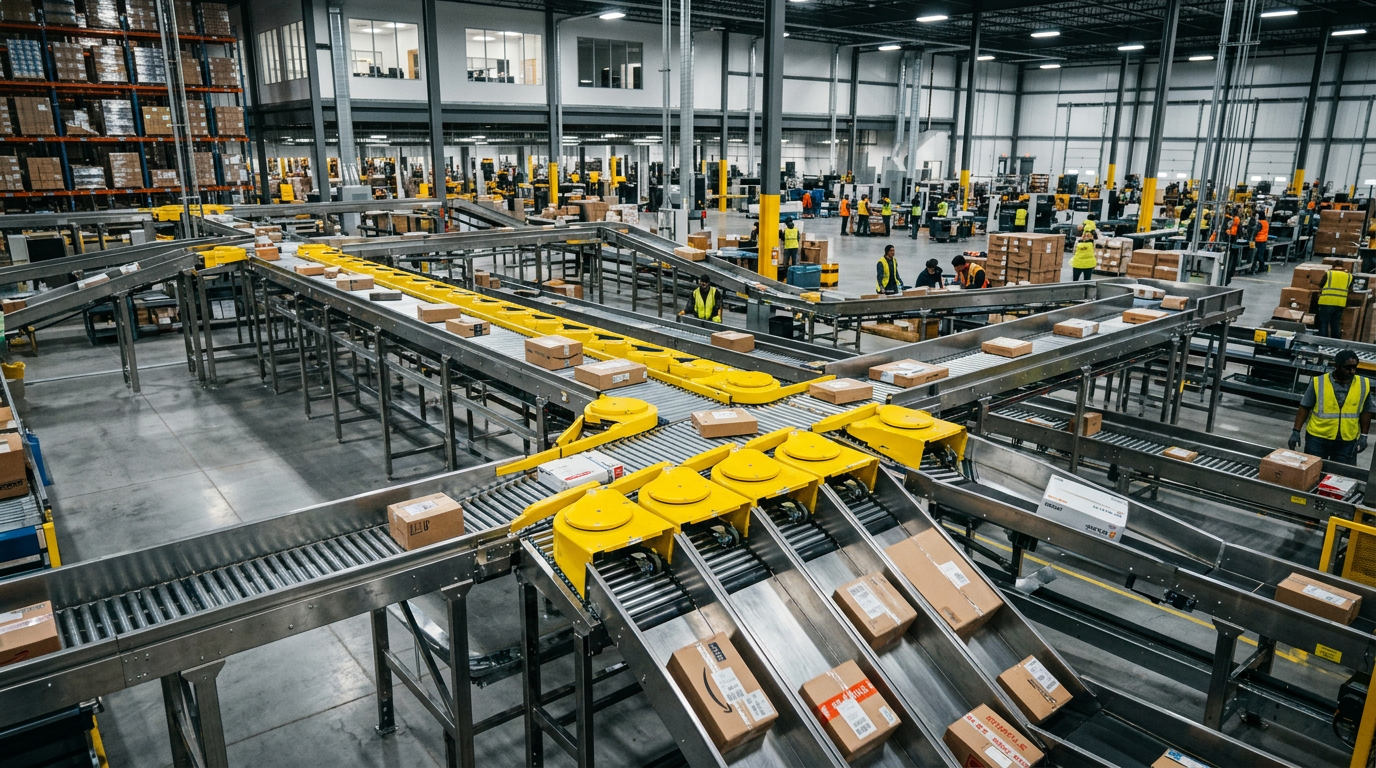
Modular sortation systems are reconfigurable, automated material handling solutions designed to divert high volumes of parcels and polybags to specific destinations within an e-commerce fulfillment center. Unlike fixed, monolithic sorters, modular architectures allow for the rapid expansion of throughput and the modification of divert logic to meet shifting seasonal demands.
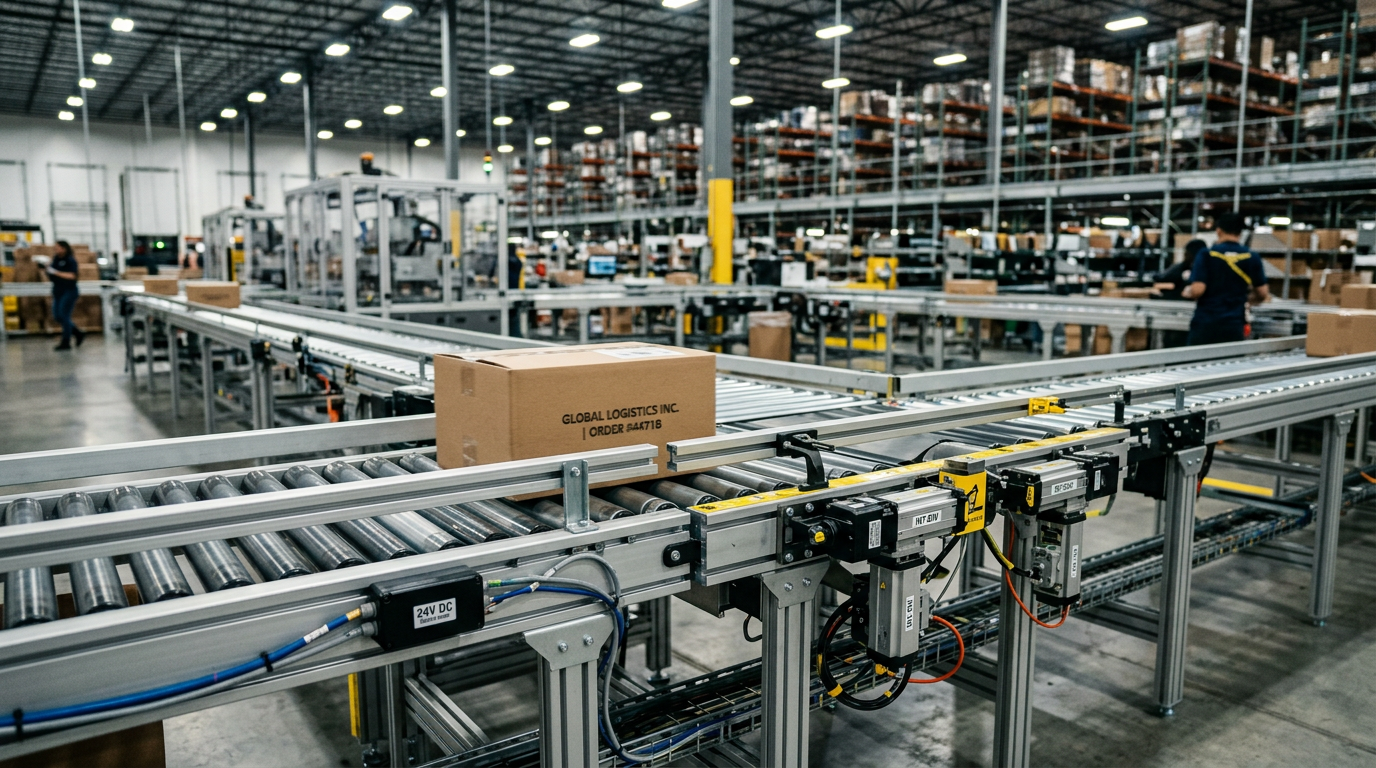
In the high-speed world of e-commerce, the ability to scale from 2,000 to over 10,000 items per hour (IPH) without replacing the entire infrastructure is no longer a luxury—it is a requirement. Modular sortation leverages standardized sections, often utilizing 24V DC pulse-roller technology or specialized divert modules, to create a flexible "lego-like" ecosystem for logistics.
The Shift Toward Modular Architectures in Logistics
Traditional sortation systems, such as tilt-tray or cross-belt sorters, are often massive engineering undertakings. While highly efficient, they lack the agility required for modern fulfillment centers where SKU profiles change rapidly. Modular sortation systems solve this by breaking the sorter down into autonomous zones.
Each zone or "module" typically contains its own motor controller and localized logic. This decentralized approach means that if one section requires maintenance, the rest of the line can often continue to function, or at least be bypassed with minimal downtime. For growing brands, modularity allows for "pay-as-you-grow" capital expenditure. You can start with a 5ndestination sortation line and expand to 20 destinations by simply inserting new divert modules and lengthening the control network bus.
Key Technologies in Modular Sortation
Several core technologies define the performance of a modular system. Choosing the right one depends largely on the weight of the packages and the required throughput.
1. 24V DC Roller Diverts
Widely used in small-to-medium parcel handling, these systems utilize motorized drive rollers (MDR). When a parcel reaches a divert point, a secondary set of rollers or a pivot wheel assembly rises to guide the package at a 30, 45, or 90-degree angle. These are energy-efficient because the motors only run when a package is present.
2. Narrow Belt Sorters
For higher speeds, narrow belt modular sorters use a series of small, high-friction belts. These provide smoother transitions for polybags—the thin plastic mailers that are notoriously difficult for standard rollers to handle due to their tendency to snag or "bridge" between rollers.
3. Pop-up Transfer Modules
These are the building blocks of modular sortation. A pop-up module can be integrated into an existing conveyor line in a matter of hours. They are often controlled via EtherNet/IP or PROFINET, allowing for seamless integration into the Warehouse Control System (WCS).
Comparison of Modular Sortation Technologies
| Feature | 24V DC Roller Divert | Narrow Belt Sorter | Cross-Belt (Modular) |
|---|---|---|---|
| Max Throughput | 2,500 - 4,000 IPH | 4,000 - 8,000 IPH | 10,000+ IPH |
| Typical Load Range | 0.5kg - 30kg | 0.1kg - 35kg | 0.1kg - 50kg |
| Complexity/Cost | Low | Medium | High |
| Maintenance Need | Minimal (Plug & Play) | Moderate | High (Belt tensioning) |
| Ideal Package | Rigid boxes/cartons | Polybags and Envelopes | Fragile or High-speed items |
Designing for High-Volume Polybag Handling
One of the biggest challenges in e-commerce today is the polybag. Unlike rigid cardboard boxes, polybags are amorphous and can wrap around rollers. When designing a modular system for polybags, engineers must focus on "tight transfer" points.
Using small-diameter rollers and specialized belt-to-belt transitions minimizes the gap where a bag could get caught. Furthermore, the friction coefficient of the divert surface must be high enough to grip the plastic but low enough to allow for a clean release during the divert stroke. Implementing Easy Conveyors modules provides a reliable foundation here, as their standardized roller and belt configurations are specifically engineered for the high-cadence demands of European and North American logistics hubs.
Easy Conveyors stocks the material handling discussed here — ready to ship across Europe.
Integration with Warehouse Control Systems (WCS)
A modular sorter is only as smart as the software driving it. In a modular setup, the WCS communicates with distributed I/O blocks. When a barcode scanner at the induction point reads a label, the WCS tracks the "pulse" of the conveyor to know exactly when that package is positioned over Divert Module #4.
Key integration considerations include:
- Tracking Precision: High-resolution encoders are required to maintain tracking over long modular runs.
- Gap Optimization: To maximize throughput, the system must maintain consistent gaps between packages. This is often achieved through a series of "slug-building" conveyor zones before the sortation area.
- Error Handling: What happens if a divert fails? Modular systems should have a "recalculation" lane or a return loop that allows the package to be scanned and sorted again without manual intervention.
Maintenance and Reliability: The Modular Advantage
In a traditional sorter, a motor failure might halt the entire distribution center. In a modular sortation system, maintenance is streamlined through "hot-swappable" components. If a divert module's motor fails, the entire mechanical assembly can often be replaced in under 15 minutes.
Standardization is the engineer's best friend. By using a single type of motor controller and a uniform belt width throughout the facility, spare parts inventory is significantly reduced. Operations managers can focus on "predictive maintenance" by monitoring the current draw on specific 24V rollers—an uptick in amperage often signals a bearing failure before it actually occurs.
Future-Proofing with Modular Sortation
As e-commerce continues to evolve toward "same-day" delivery, the flexibility to reconfigure a warehouse floor over a weekend will become a competitive advantage. Modular sortation systems provide the scalability required to transition from a local startup to a regional powerhouse. By focusing on decentralized control, energy-efficient 24V DC power, and robust mechanical transfers, facilities can ensure they are ready for whatever the next peak season brings.
When evaluating system components, always consider the IE3 motor efficiency classes for larger drives and ensure that all control electronics meet IP65 or IP67 ratings if the environment is prone to dust or debris. These industrial standards ensure that your modular investment lasts through millions of cycles in the demanding e-commerce environment.
For further reading on optimizing your layout, consider our guides on "VFD soft-start tuning" for heavy-load sections and "material handling safety standards" to ensure your high-speed sorter remains compliant with local labor regulations.
Frequently Asked Questions
What are the main benefits of modular sortation over fixed systems?
Modular sortation allows for rapid expansion, lower initial CapEx, and increased uptime through hot-swappable components and decentralized control logic.
How do modular systems handle polybags differently than boxes?
Modular sorters use specialized narrow-belt diverts and small-diameter rollers to prevent thin plastic bags from catching or jamming during high-speed transitions.
What voltage is standard for modular sorter drive rollers?
Most modern modular diverts use 24V DC brushless motors, which are energy-efficient, require no pneumatics, and offer precise speed control.
What is the average throughput (IPH) for a modular sortation line?
Throughput varies by technology; 24V roller diverts typically handle up to 4,000 items per hour, while modular narrow-belt systems can reach 8,000+ items per hour.
Can I integrate a modular divert into my existing conveyor line?
Yes, modular units are designed for integration via industrial protocols like EtherNet/IP or PROFINET, allowing them to work with most existing Warehouse Control Systems.