Modular Plastic Belt Materials: A Selection Guide for POM, PP, and PE
Selecting modular plastic belt materials requires balancing POM's strength, PP's chemical resistance, and PE's cold-chain performance. Learn the sizing rules.
Selecting the correct modular plastic belt material typically involves a trade-off between mechanical strength, temperature resistance, and chemical compatibility, where Polyoxymethylene (POM) offers up to 3 times the tensile strength of Polypropylene (PP), while Polyethylene (PE) remains the superior choice for cryogenic applications down to -73°C. The decision-making process is governed by the specific environmental stressors of the production line, including friction coefficients, impact requirements, and exposure to aggressive cleaning agents.
Key Performance Characteristics of Modular Materials
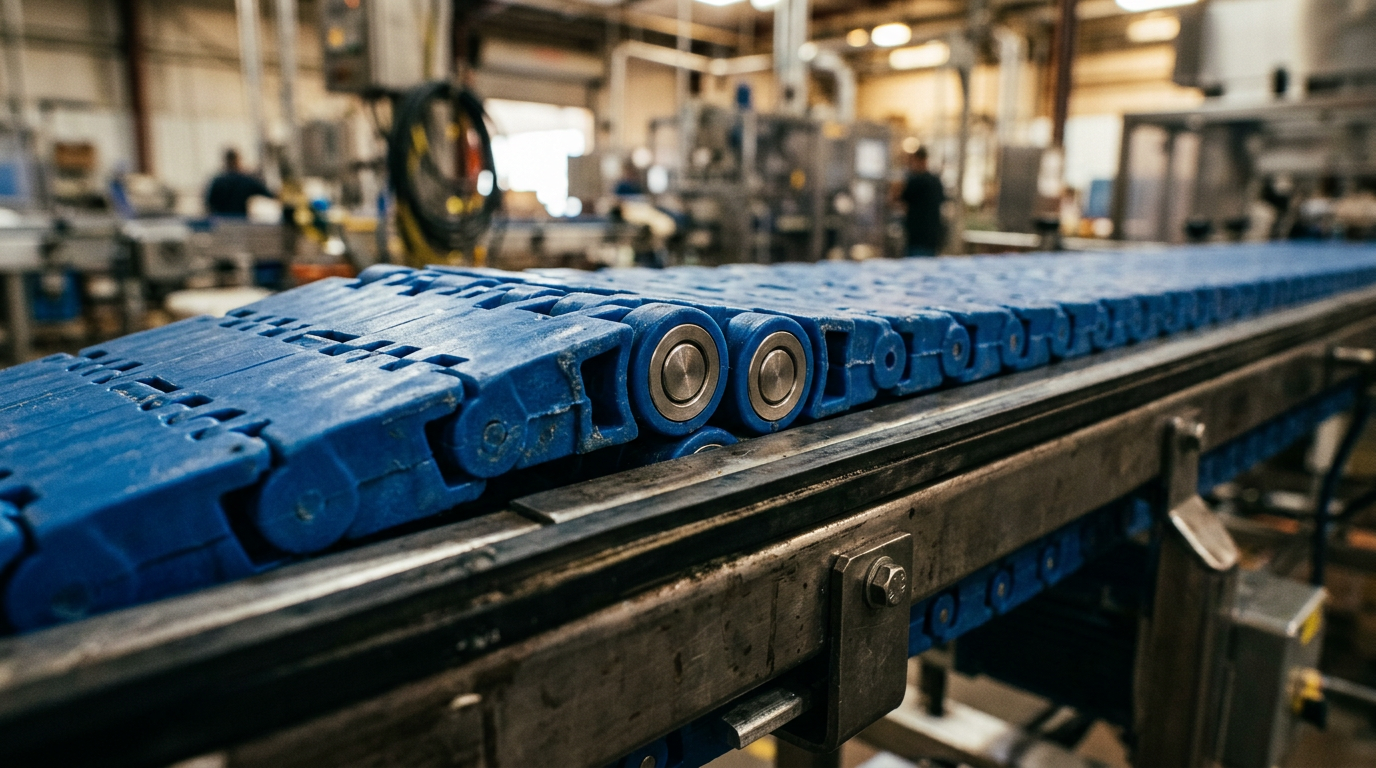
Modular plastic belts have revolutionized internal logistics by replacing traditional fabric belts with interlocking links. This modularity allows for easy repair and customization, but the performance of the system is fundamentally limited by the polymer chemistry of the modules. According to ISO 10352, the mechanical properties of plastics are highly dependent on fiber reinforcement and molecular weight, though in conveyor applications, we focus primarily on the base resins: POM, PP, and PE.
1. POM (Polyoxymethylene / Acetal)
POM is the "workhorse" of the modular conveyor world. Often referred to by the brand name Delrin, it is a high-performance engineering thermoplastic.
- Mechanical Strength: POM has the highest tensile strength among the three, making it ideal for long conveyors and heavy loads.
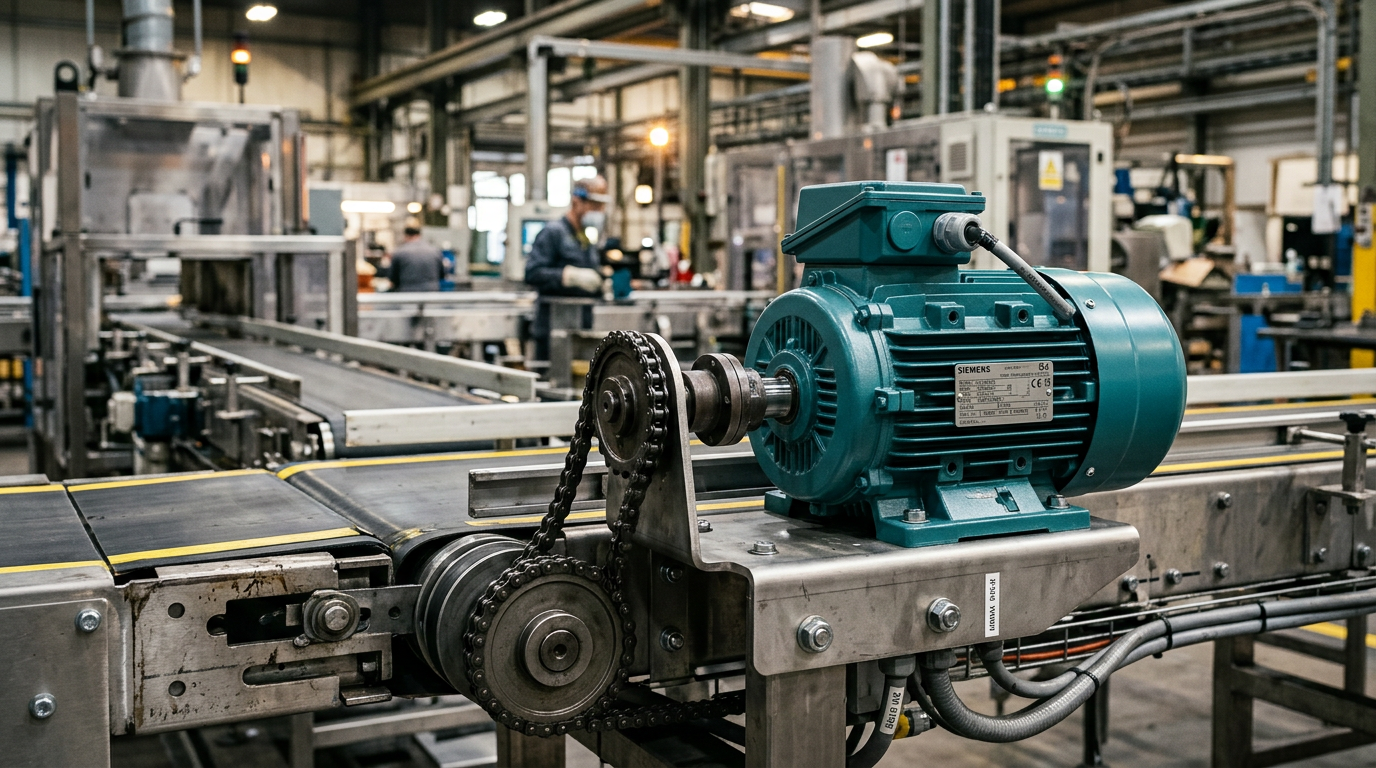
- Low Friction: It possesses a naturally low coefficient of friction, which reduces the load on the drive system and helps in maintaining high energy efficiency, often aligning with IE3 or IE4 motor standards (IEC 60034-30-1).
- Limitations: POM is sensitive to strong acids and bases (pH < 4 or pH > 9). It is also denser than water, meaning it will sink in wash-down tanks, which can be a consideration for waste removal.
2. PP (Polypropylene)
Polypropylene is selected primarily for its chemical resistance and cost-effectiveness. It is significantly lighter than POM.
- Chemical Resistance: PP is highly resistant to many acids, bases, and organic solvents, making it the preferred choice for chemical processing or harsh wash-down environments.
- Temperature Stability: It handles higher ambient temperatures better than PE but becomes brittle at low temperatures.
- Buoyancy: With a density lower than water, PP modules float, which can be an advantage in certain flume applications.
3. PE (Polyethylene / UHMWPE)
Polyethylene, specifically High-Density Polyethylene (HDPE) or Ultra-High-Molecular-Weight Polyethylene (UHMWPE), is the specialist for cold environments.
- Impact Resistance: PE is extremely tough and can withstand significant impacts without cracking, even at sub-zero temperatures.
- Cryogenic Performance: It remains flexible at temperatures as low as -73°C, making it indispensable for blast freezers and cold storage.
- Limitations: PE has the lowest tensile strength of the three and a high coefficient of thermal expansion, meaning the belt will grow or shrink significantly with temperature fluctuations.
Material Comparison Matrix
| Property | POM (Acetal) | PP (Polypropylene) | PE (Polyethylene) |
|---|---|---|---|
| Tensile Strength | Very High | Medium | Low |
| Impact Resistance | Medium | Low | Very High |
| Min. Temperature |
Easy Conveyors stocks the conveyor components discussed here — ready to ship across Europe.
| -40°C | +1°C | -73°C | | Max. Temperature | +90°C | +105°C | +65°C | | Chemical Resistance | Fair | Excellent | Good | | Friction Coeff. | Very Low | Medium | Medium/Low | | Density (g/cm³) | ~1.40 (Sinks) | ~0.90 (Floats) | ~0.95 (Floats) |
Engineering Considerations for Material Selection
When designing a system, engineers must account for the "Belt Pull" calculation. Using a material like POM allows for narrower belts or longer conveyor runs without exceeding the allowable chain tension. However, in food processing where high-pressure hot water and caustic cleaners are used, the chemical degradation of POM can lead to "chalking," where the plastic breaks down and contaminates the product. In such cases, a chemically resistant PP or a specialized food-grade PE compliant with FDA 21 CFR regulations is mandatory.
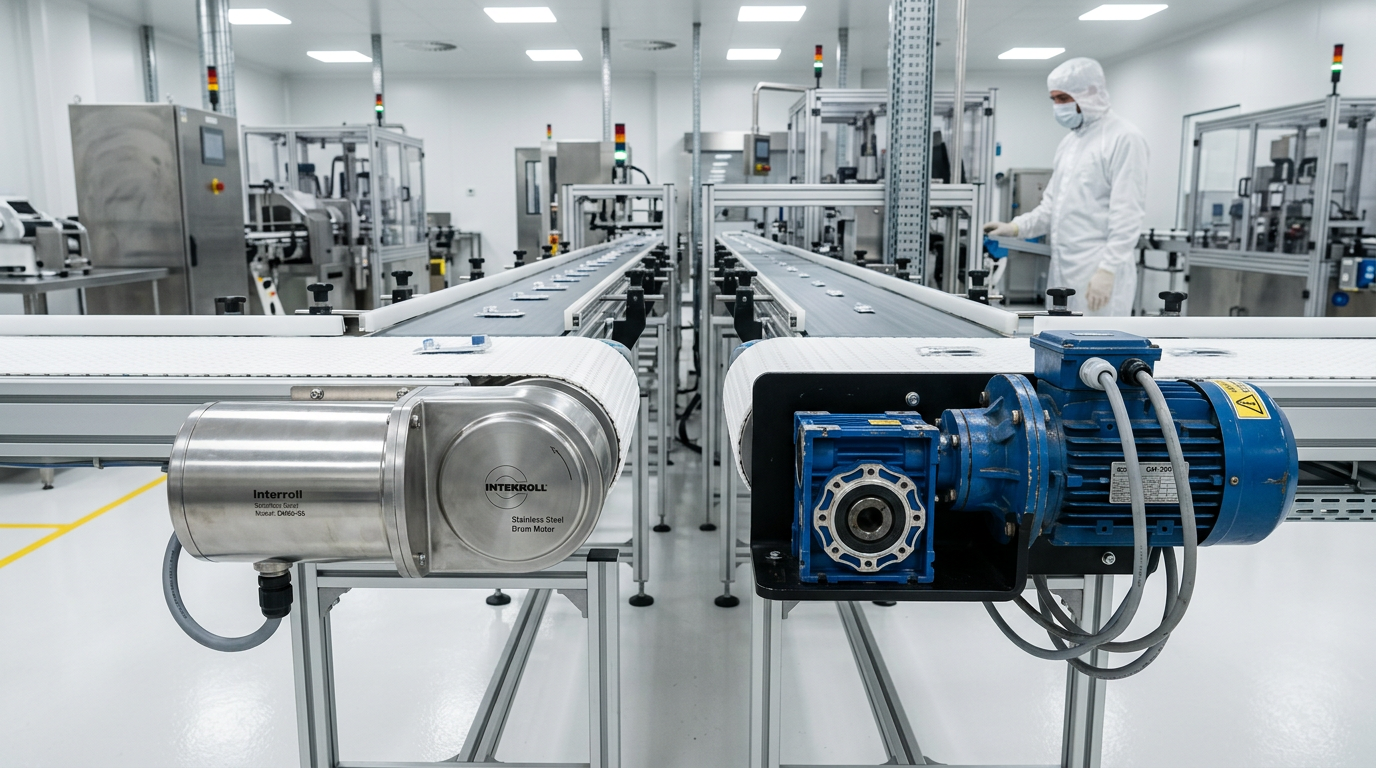
For complex layouts involving curves and inclines, the choice of material impacts the drive design. High-friction materials might require more robust drum motor selection to overcome the resistive forces at the wear strips. Integration with modular components is seamless when the material properties are matched to the application’s thermal and mechanical demands. European specialists like Easy Conveyors provide comprehensive engineering support to ensure that the chosen belt material aligns with the modular frame and drive specifications for maximum longevity.
Failure Modes and Troubleshooting
Selecting the wrong material often results in predictable failure patterns:
- Elongation: If PE is used in a high-load, ambient temperature environment, the belt may "stretch" beyond the take-up unit's capacity.
- Brittle Fracture: Using PP in a freezer application will result in the hinges snapping during the first impact.
- Stress Cracking: POM exposed to strong chlorine-based cleaning agents will develop micro-cracks, leading to sudden catastrophic failure under load.
Proper hygienic wash-down design must be considered alongside material choice. While the plastic itself may be food-safe, the geometry of the modules and their reaction to cleaning chemicals determine the overall sanitary success of the installation.
Environmental Sustainability
As manufacturers move toward circular economies, the recyclability of modular belts is gaining importance. Both PP and PE are widely recyclable (Resin codes 5 and 2, respectively). POM is more challenging to recycle due to the release of formaldehyde gas during regrinding, requiring specialized facilities. When designing for sustainability, engineers should evaluate the total lifecycle—a POM belt that lasts 10 years may have a lower environmental footprint than a PP belt that requires replacement every 3 years due to mechanical fatigue.
For systems requiring frequent speed changes, ensuring the material can handle the heat generated by friction at the wear strips is vital. This is where VFD soft-start tuning can assist by reducing the initial torque surge, protecting the plastic hinges from shearing during startup. High-load applications should always prioritize POM unless chemical or temperature constraints dictate otherwise. By matching the polymer to the specific operational environment, facilities can achieve the optimal balance of uptime, safety, and cost.
Frequently Asked Questions
Why is POM used for long conveyor runs?
POM is the preferred material for long-distance conveyors because it has the highest tensile strength and lowest friction coefficient, minimizing belt stretch and energy consumption.
Can Polypropylene be used in freezing environments?
PP is generally not recommended for freezer applications because it becomes brittle at temperatures below 1°C, leading to cracked modules and pins. PE is the correct choice for temperatures down to -73°C.
What chemical limitations does Acetal (POM) have?
Standard POM is sensitive to strong acids and chlorine-based cleaners. For high-sanitation environments, either use Polypropylene or a specially stabilized POM grade designed for chemical resistance.
Does modular belt material affect buoyancy in wash tanks?
POM is approximately 1.5 times denser than PP or PE. It will sink in water, whereas PP and PE will float, which is a critical factor for design in flume-based vegetable or fruit processing.