Modular Plastic Belt Conveyors in High-Care Food Production
Discover why modular plastic belt conveyors are the gold standard for high-care food zones, offering 30% faster cleaning and superior IP69K-rated hygiene.
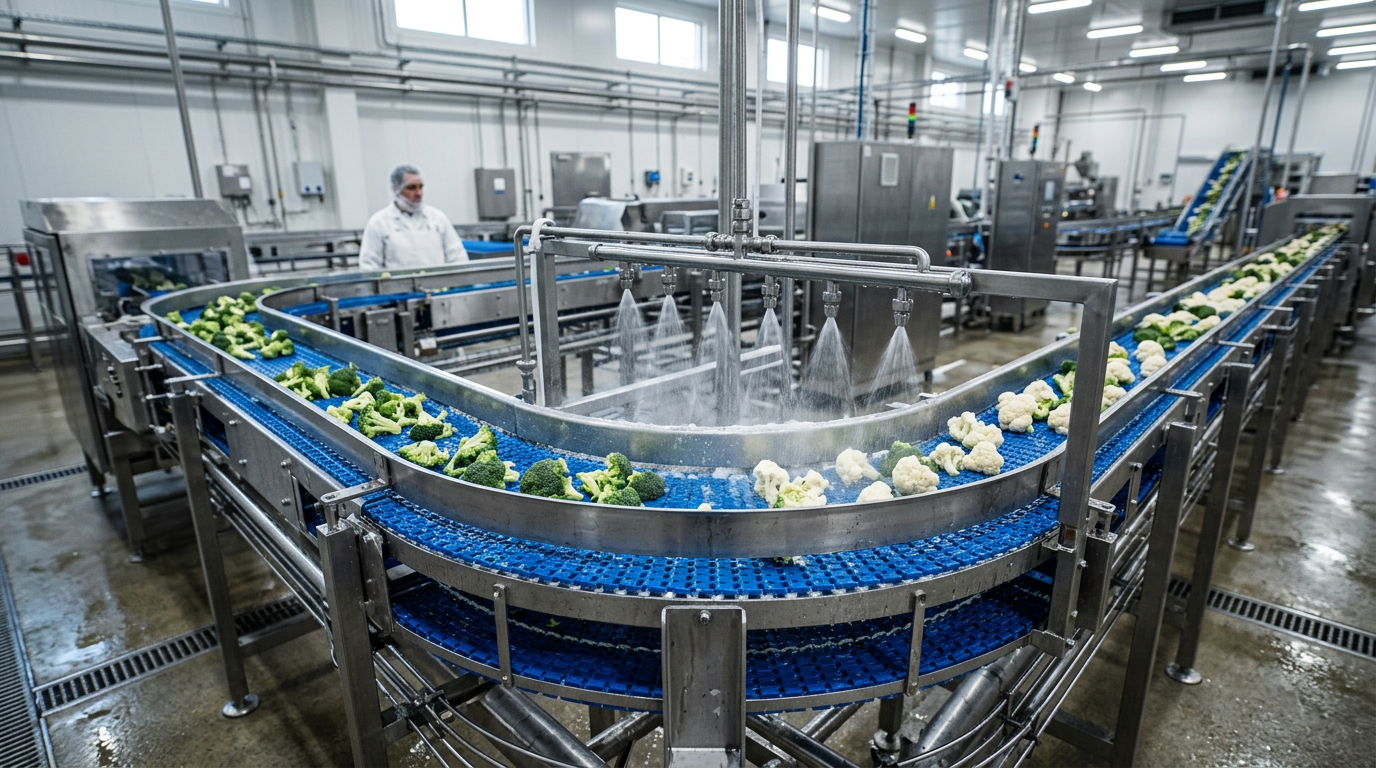
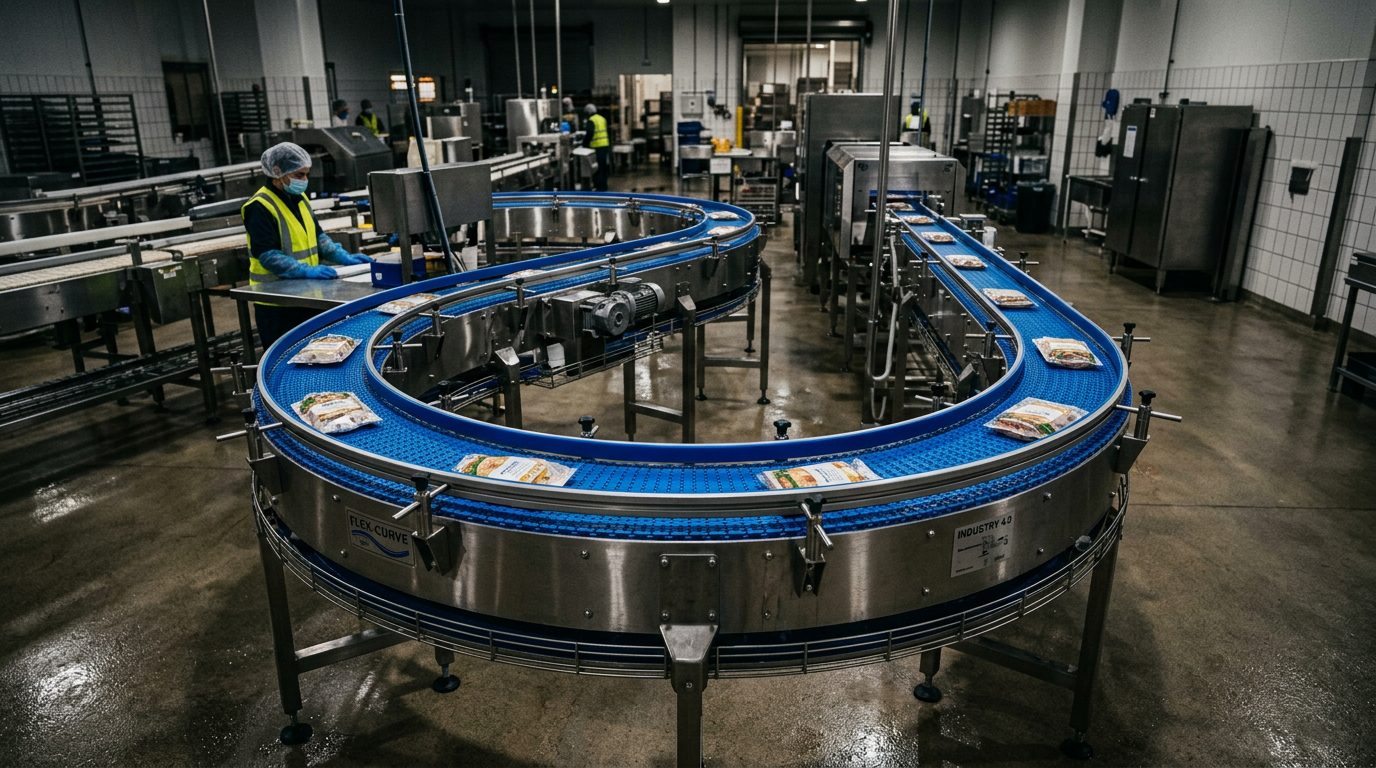
Modular plastic belt conveyors in high-care food production offer a 30% reduction in cleaning time and water consumption compared to traditional fabric belts due to their positive-drive design and open-hinge geometry. In high-care environments—defined by the European Hygienic Engineering & Design Group (EHEDG) as areas where products are vulnerable to contamination—these systems prioritize antimicrobial materials like blue POM (Polyoxymethylene) and 304 or 316L stainless steel frames to eliminate bacterial harborages.
The Role of Modular Belting in High-Care Zones
In the hierarchy of food safety, "high-care" zones represent the peak of operational rigor. These are typically post-lethality areas where products such as ready-to-eat (RTE) meals, sliced deli meats, or dairy products are exposed to the environment before final packaging. The selection of a conveyor system in these zones is not merely a material handling decision; it is a critical control point (CCP) in the facility's Food Safety Plan.
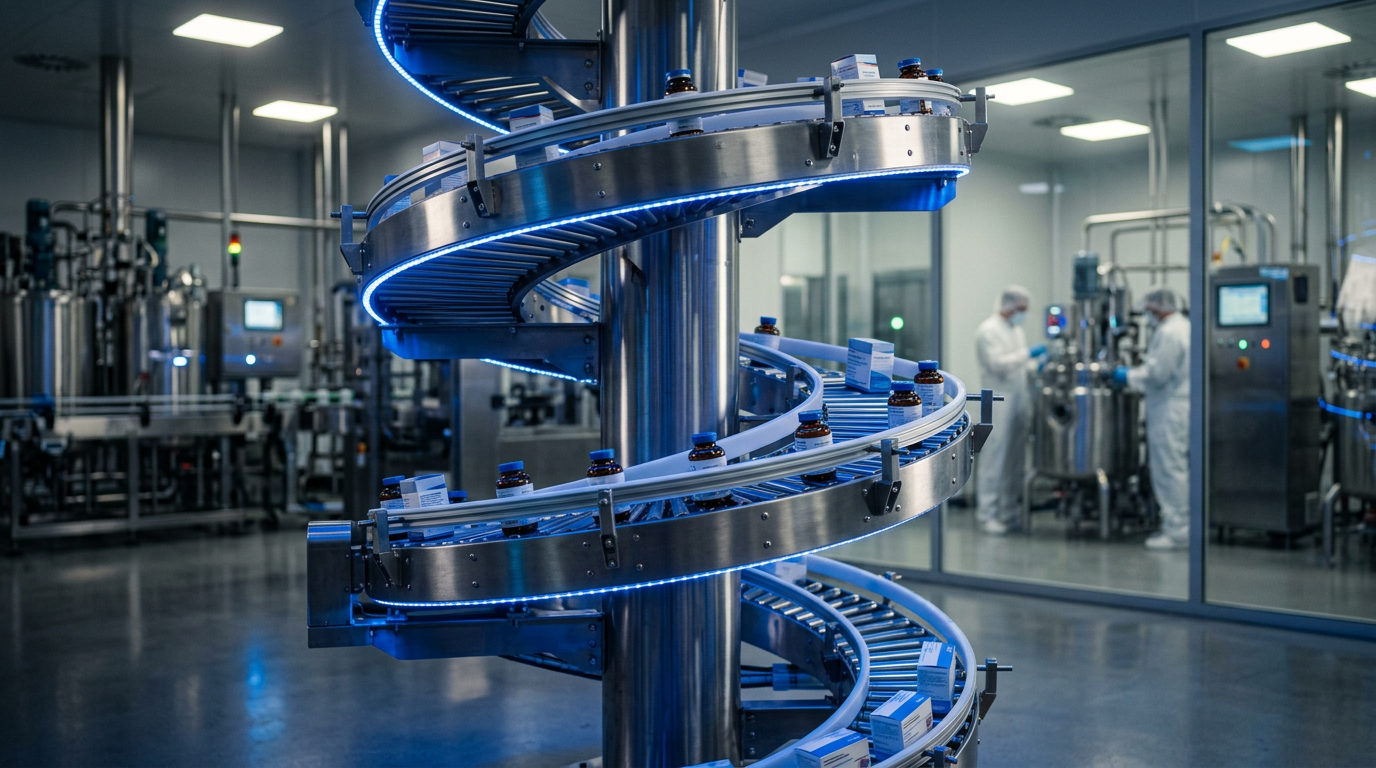
Modular plastic belts differ from traditional flat belts by using interlocking modules joined by hinge pins. This construction allows for easy repair by replacing individual damaged modules rather than the entire belt, significantly lowering the total cost of ownership. For high-care applications, the design focus shifts toward "clean-in-place" (CIP) capabilities and the elimination of "dead zones" where water or product debris can stagnate.
Material Science: POM vs. PP vs. PE
Selection of the correct polymer is governed by FDA 21 CFR 177.2470 standards. In high-care zones, visual detection is paramount, which is why "Signal Blue" has become the industry standard color—it provides the highest contrast against most food proteins.
| Property | Polyoxymethylene (POM/Acetal) | Polypropylene (PP) | Polyethylene (PE) |
|---|---|---|---|
| Tensile Strength | High (Best for long runs) | Moderate | Low |
| Temp Range | -40°C to +90°C | +5°C to +105°C | -70°C to +45°C |
| Chemical Resistance | Good (Sensitive to Acids) | Excellent | Excellent |
| Impact Resistance | High | Low (Brittle at low temp) | Very High |
| High-Care Suitability | Primary choice for RTE | Best for hot-fill/washdown | Best for IQF/Freezing |
Engineering for Sanitation: The "Open-Hinge" Evolution
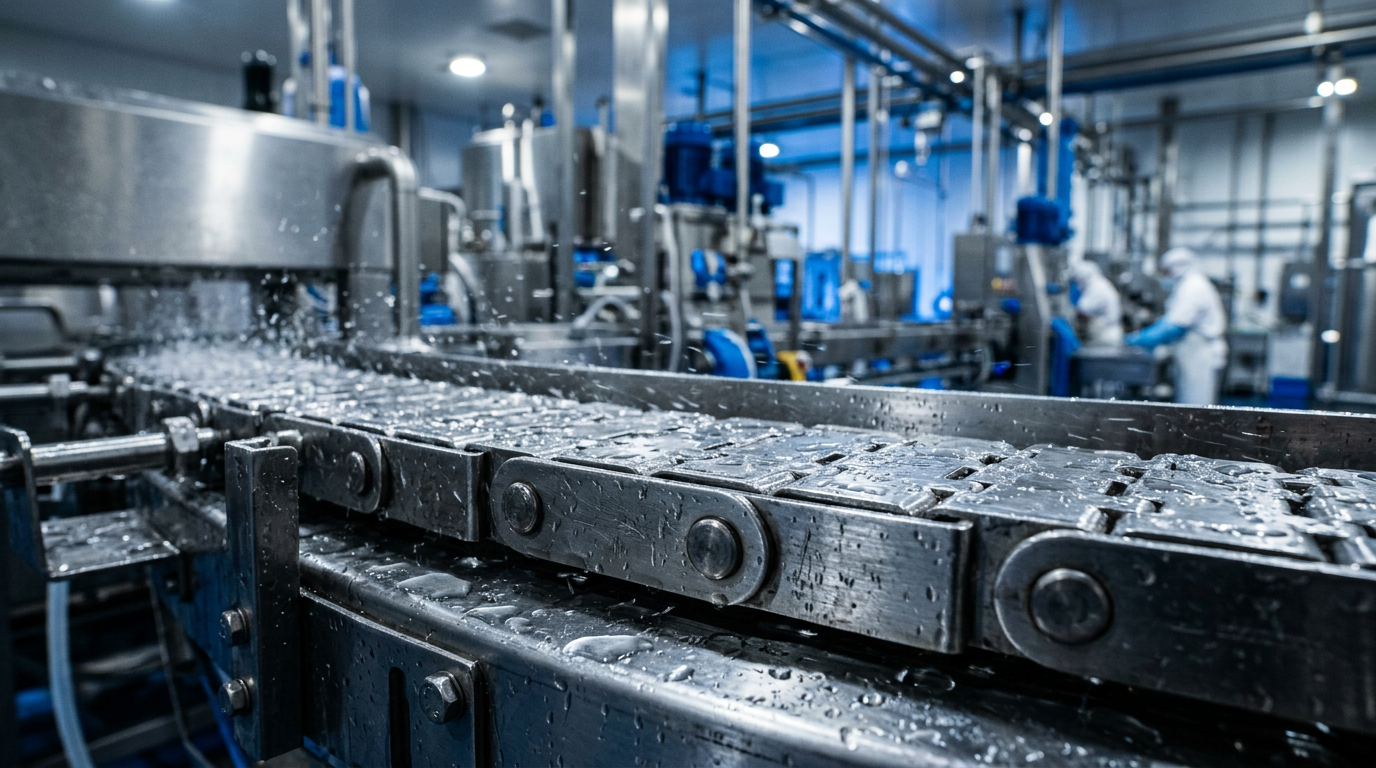
The primary failure mode in modular belts within food environments is "biofilm buildup" within the hinge mechanism. Modern modular systems, such as those integrated by Easy Conveyors, utilize specialized open-hinge designs. These hinges are engineered to expose the pivot pin during the belt's articulation over the sprocket.
When the belt wraps around the drive sprocket, the hinge opens, allowing high-pressure washdown water to penetrate the pivot area and flush out organic matter. This mechanical action is essential for passing ATP (Adenosine Triphosphate) swab tests post-sanitation.
Frame Design and Shadow Areas
A hygienic belt is useless if the conveyor frame it sits on is poorly designed. High-care frames must adhere to ISO 14159:2002 safety of machinery—hygiene requirements. Key features include:
- Standoffs and Spacers: Avoiding metal-to-metal contact where moisture can be trapped.
- Welded Spools: Eliminating threaded fasteners where possible.
- Self-Draining Surfaces: Ensuring all horizontal members are pitched at a minimum of 3 to 5 degrees.
- Removable Wearstrips: Using "snap-on" UHMW-PE wearstrips that can be removed without tools for deep cleaning.
Easy Conveyors stocks the modular systems discussed here — ready to ship across Europe.
Key Performance Indicators: Throughput and Efficiency
In automated food lines, the conveyor must maintain precise positioning for downstream pick-and-place robotics or multi-head weighers. Unlike friction-driven fabric belts, modular belts are positively driven by sprockets. This eliminates "belt slip," common in wet environments, ensuring that the motor's IE3 efficiency class performance translates directly into consistent throughput.
When sizing the drive system, engineers often choose between traditional gearmotors and drum motors. For high-care zones, the drum motor is often preferred as it integrates the motor and gearbox inside the drive roller, achieving up to IP69K ingress protection, which is the highest rating for protection against high-pressure, high-temperature washdown.
Integration Strategies for Automated Lines
Successful implementation of modular plastic belt conveyors requires a holistic view of the production line. This includes:
- VFD Soft-Start Tuning: To prevent "surging" or "catenary sag" fluctuations, Variable Frequency Drives should be tuned to ramp up speed gradually, especially when the belt is fully loaded with product.
- Active Transfer Plates: To move delicate food items between conveyor sections, "dynamic" or "powered" transfer rollers prevent product "bruising" or loss at transfer points.
- Condition Monitoring: Sensors can monitor belt tension and motor heat. An abrupt rise in motor amperage often indicates debris jammed in the wearstrips or a misaligned sprocket.
In facilities moving toward Industry 4.0, integrating these conveyors with a centralized PLC (Programmable Logic Controller) allows for "wash-down modes" where the belts run at specific low speeds during the sanitation cycle to maximize chemical contact time and mechanical agitation.
Maintenance and Longevity in Harsh Environments
The harsh chemicals used in food production—specifically chlorine-based cleaners and peracetic acid—can cause stress cracking in certain polymers over time. Regular inspection of the hinge pins is critical. If a pin begins to "migrate" out of the side of the belt, it poses a significant mechanical risk and a potential foreign object contamination risk.
Using headless pin retention systems or "slug-fit" pins reduces this risk. Furthermore, ensuring the conveyor's catenary sag is correctly adjusted allows the belt to track naturally without excessive tension, which extends the life of the sprockets and the drive motor bearings.
Summary of Best Practices
For plant managers in the food sector, the shift from legacy systems to modular plastic belting represents a transition to a more predictable, more hygienic, and more profitable operation. By focusing on material compatibility, frame accessibility, and positive-drive reliability, manufacturers can achieve the stringent safety standards required by global retailers and regulatory bodies. Proper hygienic wash-down design is not just a regulatory requirement; it is the foundation of brand protection in the modern food supply chain.
Frequently Asked Questions
Why is blue the standard color for modular belts in food production?
Blue is used because it provides the highest visual contrast against most food types, making it easier to detect plastic fragments if the belt is damaged. It is not a color naturally found in the majority of food products.
What defines a 'high-care' zone in food conveyor design?
High-care zones are post-lethality environments where food is exposed to the air before being sealed. In these zones, the moisture levels can be high, and the risk of bacterial growth (like Listeria) is extreme, requiring IP69K-rated components.
Can I use Acetal (POM) belts with acidic cleaning agents?
POM (Acetal) is preferred for its high strength and low friction. However, it can be sensitive to strong acids. PP is better for chemical resistance and high temperatures but is more brittle in cold/freezing applications.
How do modular plastic belts compare to traditional fabric belts in wet environments?
Modular plastic belts are positively driven by sprockets, which prevents slipping in wet or fatty environments. They are also much easier to clean and repair, as individual modules can be replaced without splicing.