Precision Engineering: Modular Bottle Handling Conveyors for Filling Lines
Explore how modular bottle handling conveyors optimize high-speed filling lines with 60,000 bph capacities, tool-less changeovers, and hygienic designs.
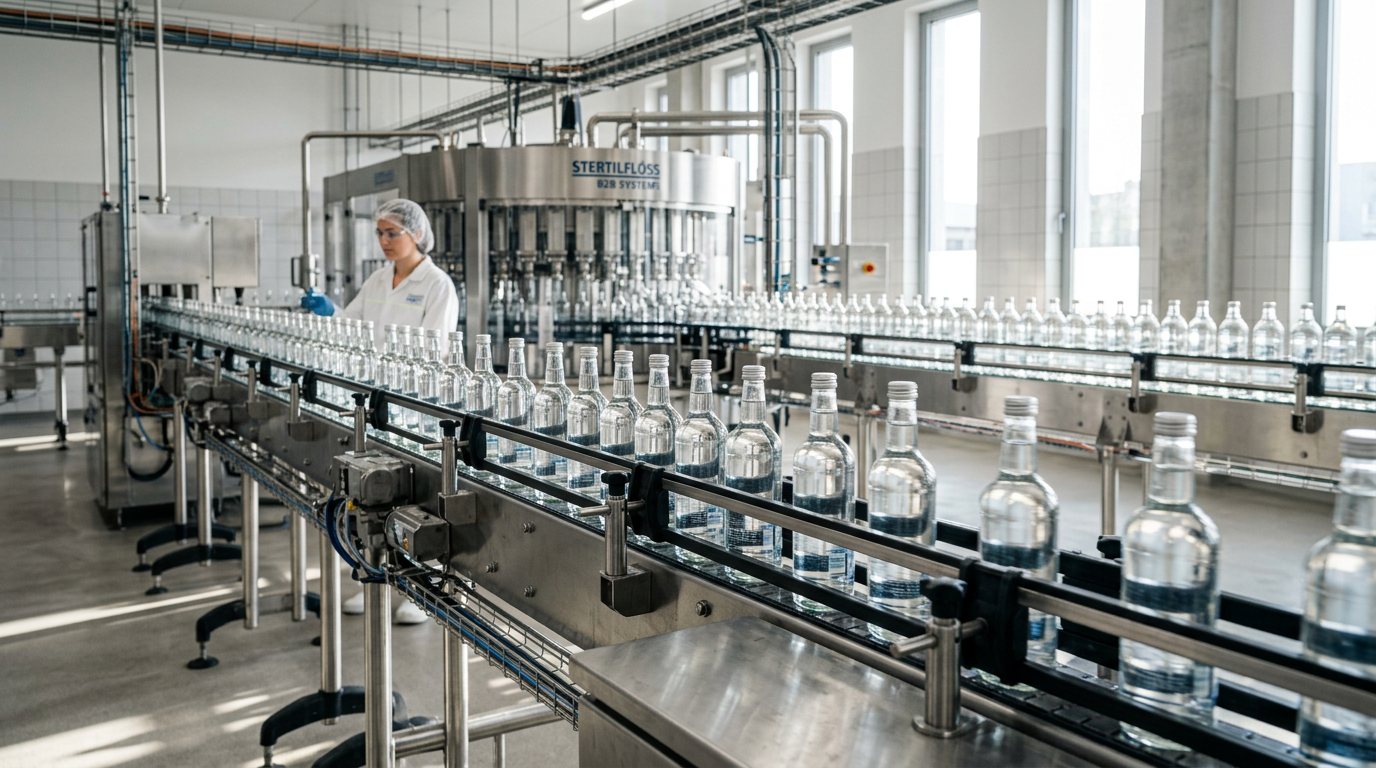
Modular bottle handling conveyors for filling lines utilize standardized aluminum or stainless steel plastic chain systems to achieve throughput speeds of up to 60,000 bottles per hour while maintaining a flexible footprint. By implementing 83mm or 103mm wide modular chains with a minimum turning radius of 200mm, engineers can reduce line integration time by 40% compared to custom-welded alternatives.
The Evolution of Bottle Handling in High-Speed Filling
The modern bottling plant is no longer a static environment. Whether handling PET, glass, or HDPE containers, the requirement for rapid changeover and modularity has pushed traditional, fixed-line systems to the periphery. Modular bottle handling conveyors have emerged as the gold standard because they allow for "plug-and-play" reconfiguration when new SKUs (Stock Keeping Units) are introduced.
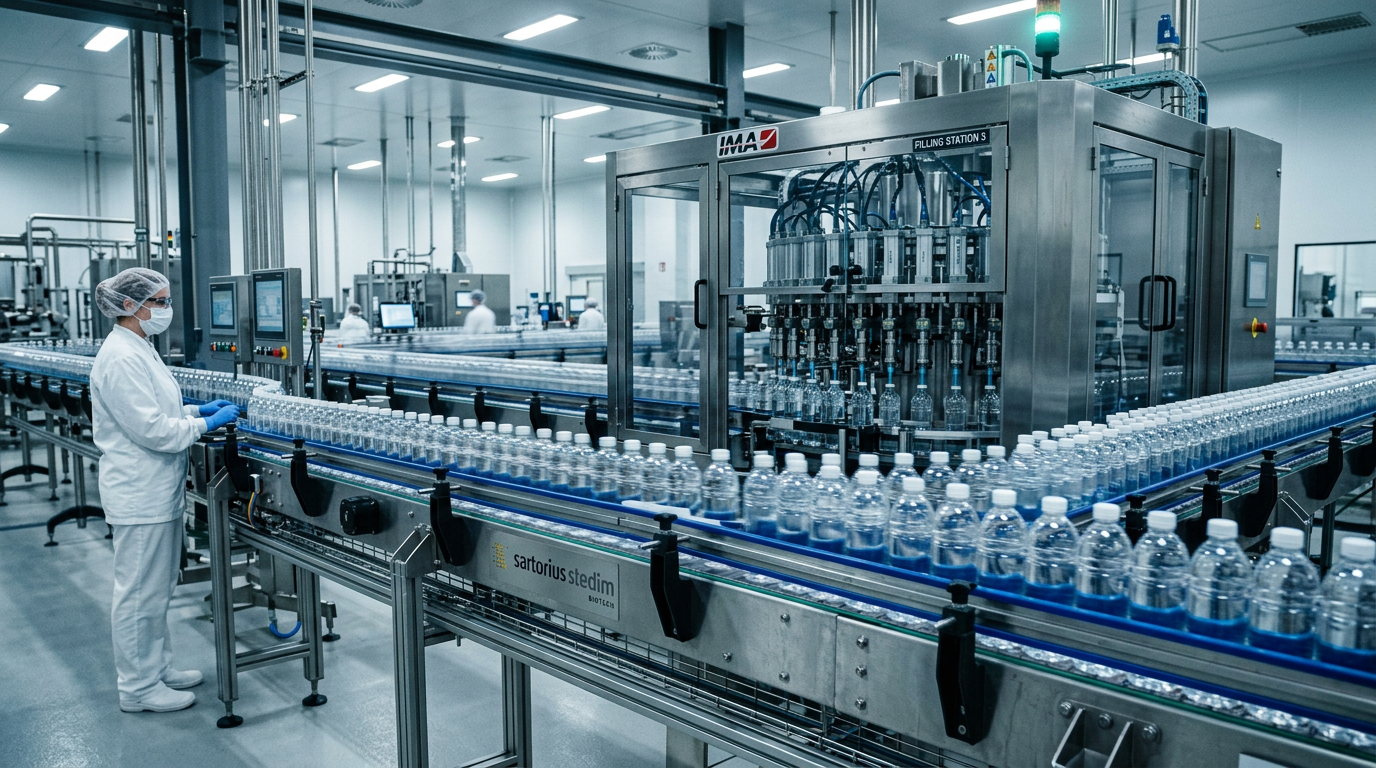
In high-speed beverage and pharmaceutical lines, the conveyor is the nervous system of the facility. It must synchronize with fillers, cappers, labelers, and packers. A failure in the modular chain or a bottleneck in the accumulation zone can result in thousands of euros in lost production every hour.
Key Components of Modular Filling Line Conveyors
To understand the efficiency of these systems, one must look at the specific components that define them:
- The Modular Chain: Usually made of low-friction Acetal (POM), these chains are designed to minimize "chatter" and vibration, which is critical for preventing spillage in open-container filling applications.
- Side Guides: Adjustable guide rails are essential for lines running multiple bottle sizes. Tool-less adjustment handles allow operators to switch from a 330ml juice bottle to a 1.5L water bottle in minutes.
- Drive and Idler Units: Highly efficient units, often utilizing IE3-class motors, provide the torque necessary for long runs without compromising energy efficiency.
- Transfer Plates: These bridge the gaps between conveyor segments or between the conveyor and the machine (e.g., the filler infeed). Dead plates or active roller transfers are used to prevent bottles from tipping.
Comparing Materials: Aluminum vs. Stainless Steel
Choosing the frame material is the first major design decision. While aluminum is cost-effective and easy to assemble, stainless steel is mandatory for specific environments.
| Feature | Aluminum Modular Systems | Stainless Steel (Wash-down) |
|---|---|---|
| Typical Environment | Dry packaging, end-of-line | Filling, dairy, high-humidity |
| Corrosion Resistance | Moderate | Excellent (AISI 304/316) |
| Cleaning Method | Compressed air / Wipe down | High-pressure wash-down / Chemicals |
| Load Capacity | High | High |
| Installation Speed | Very Fast (T-slot system) | Fast (Bolt-together) |
| Hygienic Rating | Standard | EHEDG / FDA Compliant |
Critical Design Factors for High-Speed Lines
1. Accumulation and Buffering
In a perfectly balanced line, every machine runs at the same speed. In reality, machines stop for label rolls, cap refills, or minor faults. Modular conveyors must act as a buffer. Vertical alpine conveyors or horizontal "re-flow" accumulation tables provide the necessary dwell time to keep the filler running even if the downstream packer stops for 2-3 minutes.
2. Friction Management and Pitch
The "pitch" of the modular chain—the distance between the center of one pin and the next—affects how smoothly the bottles travel around curves. For small, unstable bottles, a fine-pi
Easy Conveyors stocks the modular systems discussed here — ready to ship across Europe.
tch chain (e.g., 25mm) is preferred to minimize the "polygon effect" as the chain moves over the sprocket, which can cause containers to vibrate or tip.
3. Integration with Automation
The integration of Easy Conveyors modules allows for seamless communication between the conveyor's VFD (Variable Frequency Drive) and the filling machine's PLC. This ensures that the conveyor speed ramps up or down based on the "back-pressure" sensors located at the filler infeed. This type of smart control is essential for VFD soft-start tuning to prevent the sudden jerky movements that topple lightweight PET bottles.
Material Selection: POM vs. Low-Friction Specialty Plastics
The material of the modular belt itself is a science. While standard Acetal (POM) is the baseline, many modern filling lines utilize "Extra Low Friction" (ELF) materials. These specialty polymers reduce the coefficient of friction between the bottle and the chain, allowing for higher accumulation pressure without scuffing the bottom of the bottle or causing "pulsation" in the line.
When designing for glass handling, the chain must be even more robust. Glass is abrasive, and any glass breakage can lead to shards getting trapped in the conveyor links. Here, open-hinge modular chains are preferred as they allow debris to fall through to a collection tray rather than grinding into the wear strips.
Safety and Ergonomics in Modular Design
Safety is paramount in high-speed environments. Modular systems must include:
- Enclosed Drive Units: Preventing hair or clothing entanglement.
- Low-Noise Wear Strips: Utilizing UHMW-PE (Ultra-High Molecular Weight Polyethylene) to keep noise levels below 75dB, even at high speeds.
- Emergency Stop Integration: Strategically placed E-stops that are accessible from all sides of the filling line.
Preventing Common Failure Modes
The most common causes of downtime in bottle handling are "tipped bottles" and "chain stretch."
- Tipped Bottles: Often caused by improper hygienic wash-down design where residues make the chain sticky, or by poorly aligned transfer plates.
- Chain Stretch: All plastic chains stretch over time. Modular systems should include an integrated catenary sag or a weighted take-up unit to maintain tension automatically.
Engineers should also consider drum motor selection for specific segments of the line where space is a premium. While traditional gearmotors are standard, drum motors offer an IP69K-rated, space-saving alternative for rinse zones.
Future Trends: Sustainability and Digital Twins
We are seeing a shift toward sustainable materials, such as bio-based polymers for conveyor chains. Furthermore, the use of "Digital Twin" technology allows plant managers to simulate bottle flow before a single piece of hardware is installed. By modeling the accumulation zones and curves, manufacturers can guarantee throughput targets are met during the commissioning phase.
Modular systems are no longer just a way to move a product from point A to point B; they are data-rich, flexible assets that define the efficiency of the entire manufacturing process. Whether you are upgrading an existing glass bottling plant or designing a virgin PET filling line, the modular approach provides the scalability needed in a volatile market.
Frequently Asked Questions
What is the best material for modular conveyor chains in bottling?
For most beverage and pharma lines, Acetal (POM) is the standard due to its high strength and low friction. However, for extreme wash-down or chemical environments, Polypropylene (PP) or specialized low-friction polymers are used.
What is the maximum speed for a modular bottle conveyor?
Standard modular bottle conveyors can handle speeds up to 100-120 meters per minute, depending on container stability and the use of side guides.
How do I prevent lightweight PET bottles from tipping?
To prevent tipping, use fine-pitch chains (25mm or smaller), bridge gaps with active roller transfers, and ensure side guides are precisely adjusted with no sharp transitions.
How do I manage chain stretch in modular systems?
Plastic chains expand with heat and stretch with wear. A catenary sag (the loop of chain underneath the conveyor) is the most common way to manage this without manual tensioning.
Is modular conveyor more expensive than custom-welded frames?
Modular systems are typically 30-50% faster to install because they use standardized bolting patterns and pre-engineered components, whereas custom systems require significant on-site welding and fitting.