Optimizing Modular Bottle Handling Conveyors for High-Speed Filling Lines
Explore technical insights on modular bottle handling conveyors for filling lines. Learn about stability, accumulation, and hygienic design for high-speed production.
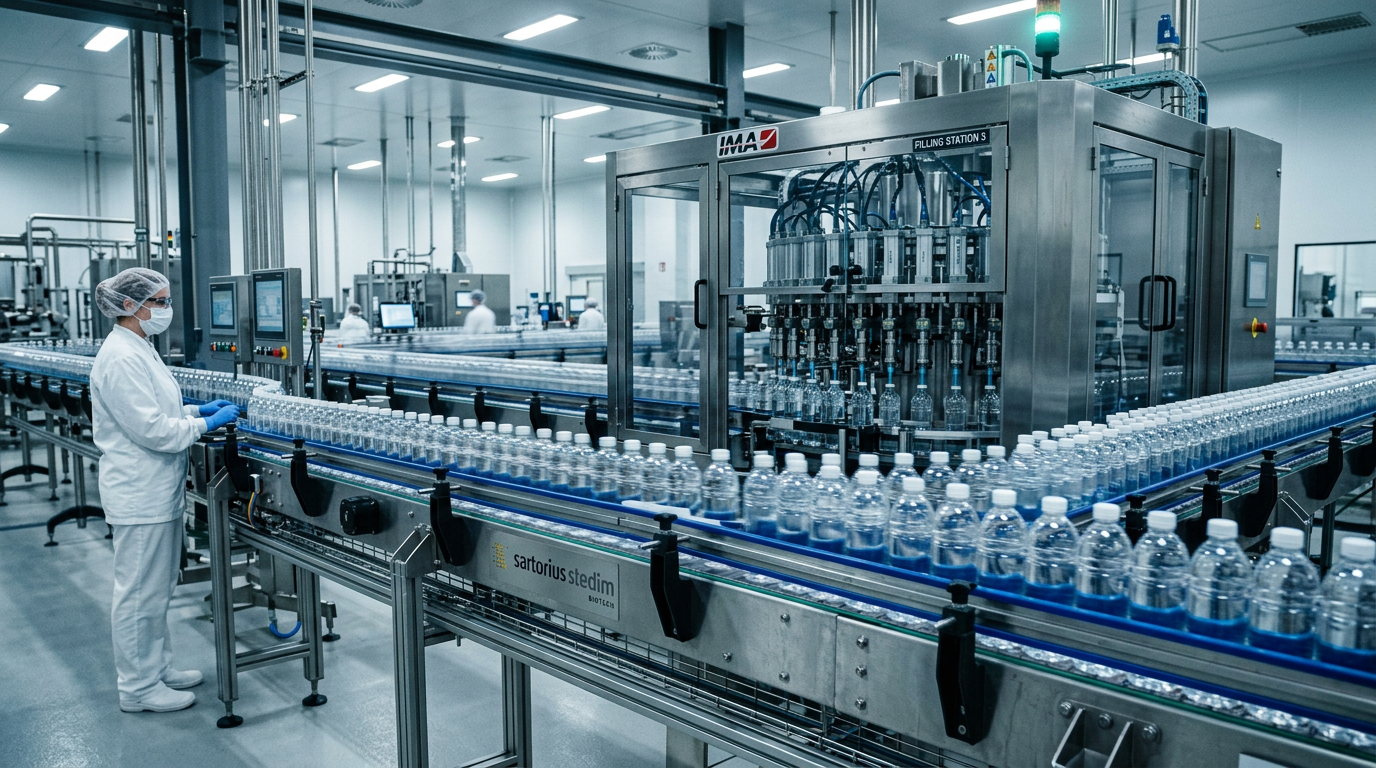
The integration of modular bottle handling conveyors for filling lines typically yields a 25-40% increase in changeover efficiency compared to fixed-frame systems, primarily due to tool-less adjustable guide rails and standardized 82.5mm or 114.3mm chain pitches. For high-speed lines operating at 10,000 to 60,000 bottles per hour (BPH), maintaining a friction coefficient ($\mu$) below 0.15 through self-lubricating POM-LF materials is the industry standard for preventing container toppling and scuffing.
Modern filling lines in the beverage, pharmaceutical, and personal care industries require more than just moving a bottle from point A to point B. They demand precision timing, accumulation buffer management, and seamless integration with rotary fillers, cappers, and labelers. This guide examines the technical architecture of modular systems designed specifically for stable and hygienic container transport.
The Architecture of Modular Bottle Handling
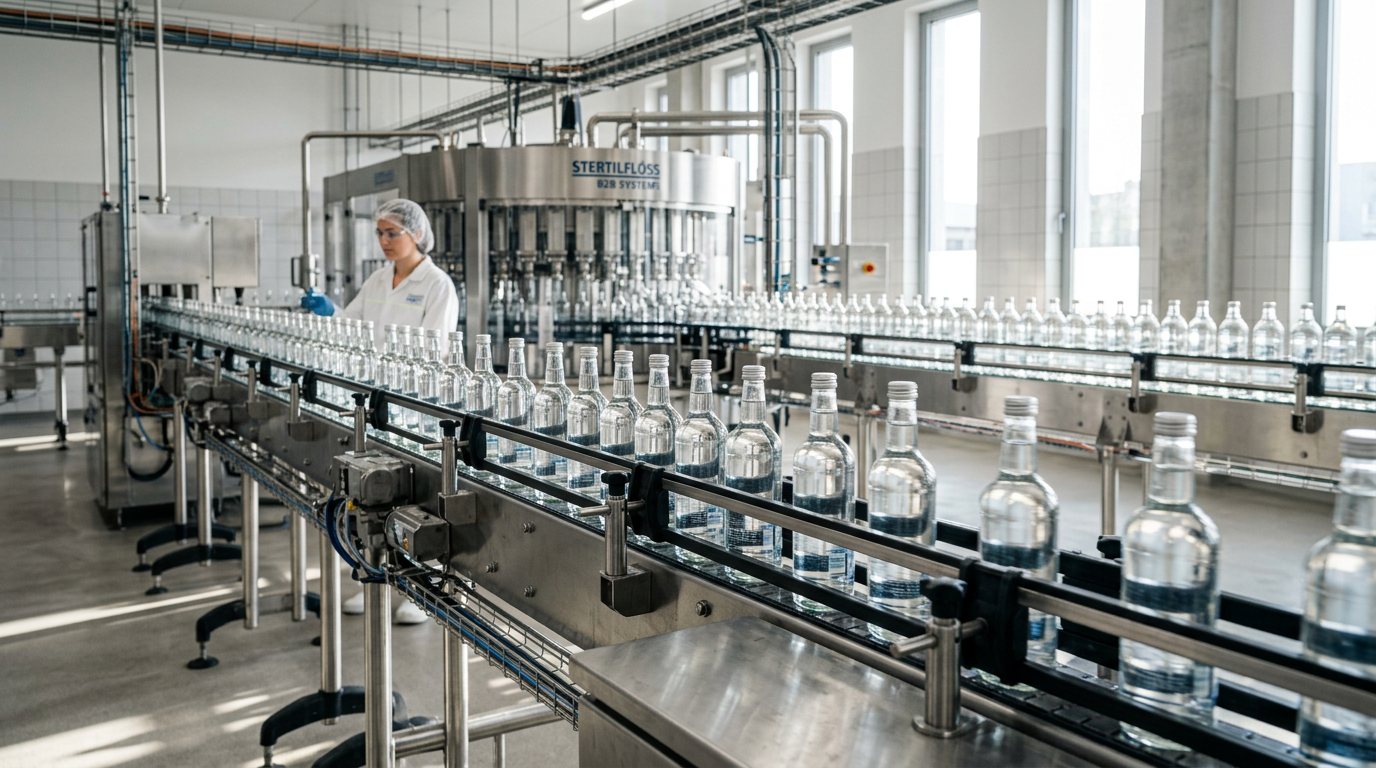
Modular conveyors for bottle handling are built on a "LEGO-like" principle using extruded aluminum or stainless steel profiles. This modularity is critical because filling lines rarely remain static; capacity increases or packaging geometry changes often necessitate line reconfigurations.
Sideflexing Chain Dynamics
The heart of bottle handling is the sideflexing slat-top chain. Unlike standard belt conveyors, these chains—often made from low-friction Polyoxymethylene (POM)—allow for tight-radius curves (Rmin = 200mm to 500mm depending on width) without the need for dead plates or transfers.
For glass bottle applications, stainless steel chains (AISI 430 or 304) are utilized to resist the abrasive nature of glass cullet. In contrast, PET and HDPE bottles benefit from "Extra Performance" (EP) plastics that reduce the "slip-stick" effect, ensuring smooth movement even at high speeds where bottle resonance could lead to tipping.
The Role of Guide Rail Systems
In bottle handling, the conveyor doesn't just support the weight; it defines the path. Modular systems utilize specialized side guides:
- Fixed Guides: Best for dedicated lines with a single bottle size.
- Adjustable Manual Guides: Feature hand-knobs and etched scales for rapid width adjustment between batches (e.g., 500ml vs. 1.5L bottles).
- Automated Guides: Utilize small actuators to adjust the entire line width from a central HMI, reaching the precise setting within ±0.5mm across the entire length of the filler in-feed.
Critical Design Factors for High-Speed Filling
When designing a system for a high-output filling environment, three technical factors dictate the success of the installation: stability, accumulation, and hygiene.
1. Stability and Pitch Control
The "pitch" of the chain determines the chordal action as the chain wraps around the sprocket. A smaller pitch results in less vertical pulsation, which is vital when transporting tall, narrow bottles with a high center of gravity. Most modular systems for filling use a 1-inch or 1.5-inch pitch to maximize stability.
2. Accumulation and Mass Flow
Filling machines cannot stop instantly if a downstream labeler fails. Modular accumulation tables—often utilizing "Alpine" spirals or mass flow buffers—provide the necessary dwell time. A common rule of thumb for buffer sizing is to provide 3 to 5 minutes of accumulation at peak BPH to allow for minor downstream interventions without stopping the filler.
Easy Conveyors provides specialized modular components that facilitate these mass-flow transitions, ensuring that bottles move from multi-lane accumulation back to single-file in-feed without high-pressure crushing.
3. Hygienic Standards (EHEDG and FDA)
For pharmaceutical and dairy filling, the conveyor must withstand aggressive Clean-in-Place (CIP) regimes.
- Open Frame Design: Critical for allowing wash-down fluids to pass through the system rather than pooling.
- Material Selection: Use of FDA-compliant plastics and 304/316 grade stainless steel.
- Component Sealing: Motors should be IP66 or IP69K rated, often featuring smooth-bodied gearboxes to eliminate "bacteria traps" or cooling fins where moisture hides.
Easy Conveyors stocks the modular systems discussed here — ready to ship across Europe.
Comparison: Chain Materials for Filling Lines
| Feature | POM-LF (Low Friction) | Stainless Steel (AISI 430) | PBT (High Temperature) |
|---|---|---|---|
| Max Speed | 80 m/min | 60 m/min | 50 m/min |
| Noise Level | Low (<75 dB) | High (>85 dB) | Moderate |
| Chemical Resistance | Good (Alkaline) | Excellent | Good (Acidic) |
| Primary Use | PET/HDPE Bottles | Glass/Cans | Hot-Fill Glass |
| Friction Coeff. | ~0.12 - 0.15 | ~0.20 - 0.25 | ~0.18 |
Integration with Automation
The modern filling line is a cyber-physical system. To optimize bottle handling, modular conveyors are frequently paired with:
- VFD Soft-Start Tuning: To prevent the "jerk" that tips empty bottles upon line startup.
- Photoelectric Sensors: Usually polarized retroreflective sensors that can "see" clear PET bottles or glass to manage back-pressure.
- Line Control Logic (PLC): Implementing "gap control" where the conveyor speed is dynamically adjusted based on the filler’s instantaneous speed.
For those focusing on power efficiency, utilizing IE3 motor classes or permanent magnet motors at the drive stations can reduce total cost of ownership (TCO) by up to 15% over the 10-year lifecycle of a filling line.
Maintenance and Common Failure Modes
A modular conveyor is only as good as its maintenance schedule. In bottle handling, the most common failure point is "chain stretch" and sprocket wear.
- Elongation: As the plastic links wear against the pins, the total length increases. If the catenary sag exceeds manufacturer specs, the chain can jump the sprocket teeth.
- Scuffing: If guide rails are misaligned, they can cause aesthetic damage to the bottles (scuffing), which is a major quality reject in premium beverage markets.
- Debris Accumulation: Sugar-based liquids can dry and create a "glue" on the wear strips. Regular lubrication or periodic wash-downs are required to maintain the low-friction properties of the POM chain.
Designing for modularity means these components—wear strips, chain links, and sprockets—can be replaced in minutes rather than hours, ensuring the filling line maintains its target OEE (Overall Equipment Effectiveness). By selecting the right drum motor selection or external gearmotor based on the wash-down requirements, facilities can ensure their line stays running 24/7.
Frequently Asked Questions
How do I prevent bottles from tipping on high-speed lines?
For tall or lightweight bottles, use a small-pitch chain (1-inch) to reduce vibration and implement 'neck-handling' guides if the center of gravity is exceptionally high. Synchronized VFD control is also essential.
What is the best material for bottle conveyor chains?
POM (Polyoxymethylene) is the industry standard for plastic chains due to its low friction and high tensile strength. For glass bottles or high-temperature 'hot fill' applications, stainless steel or PBT plastics are preferred.
What is the minimum curve radius for modular bottle conveyors?
In high-speed beverage lines, a radius of 500mm is common to minimize lateral G-forces on the bottle. Compact systems can go as low as 200mm, but speed must be reduced accordingly.
Is lubrication necessary for modular bottle chains?
Standard dry-running systems use POM-LF (Low Friction). However, in high-speed glass bottling, soap-water or synthetic lubricants are used to reduce heat and friction further.