Optimizing Line Balancing and OEE in Conveyor-Based Material Flow
Maximize material flow efficiency by mastering line balancing and OEE. Learn to eliminate bottlenecks, optimize buffers, and reduce micro-stops in modular systems.
Achieving optimal line balancing and OEE improvement in conveyor-based material flow requires maintaining a target line efficiency of 85% or higher by synchronizing machine cycle times with conveyor buffer capacities to prevent bottleneck-induced starvation or blockage. By applying the Theory of Constraints (ToC) and ensuring that the conveyor speed is typically set 5% to 10% faster than the downstream process, manufacturers can stabilize material flow and significantly reduce unplanned downtime.
Understanding Line Balancing in Modular Conveyor Systems
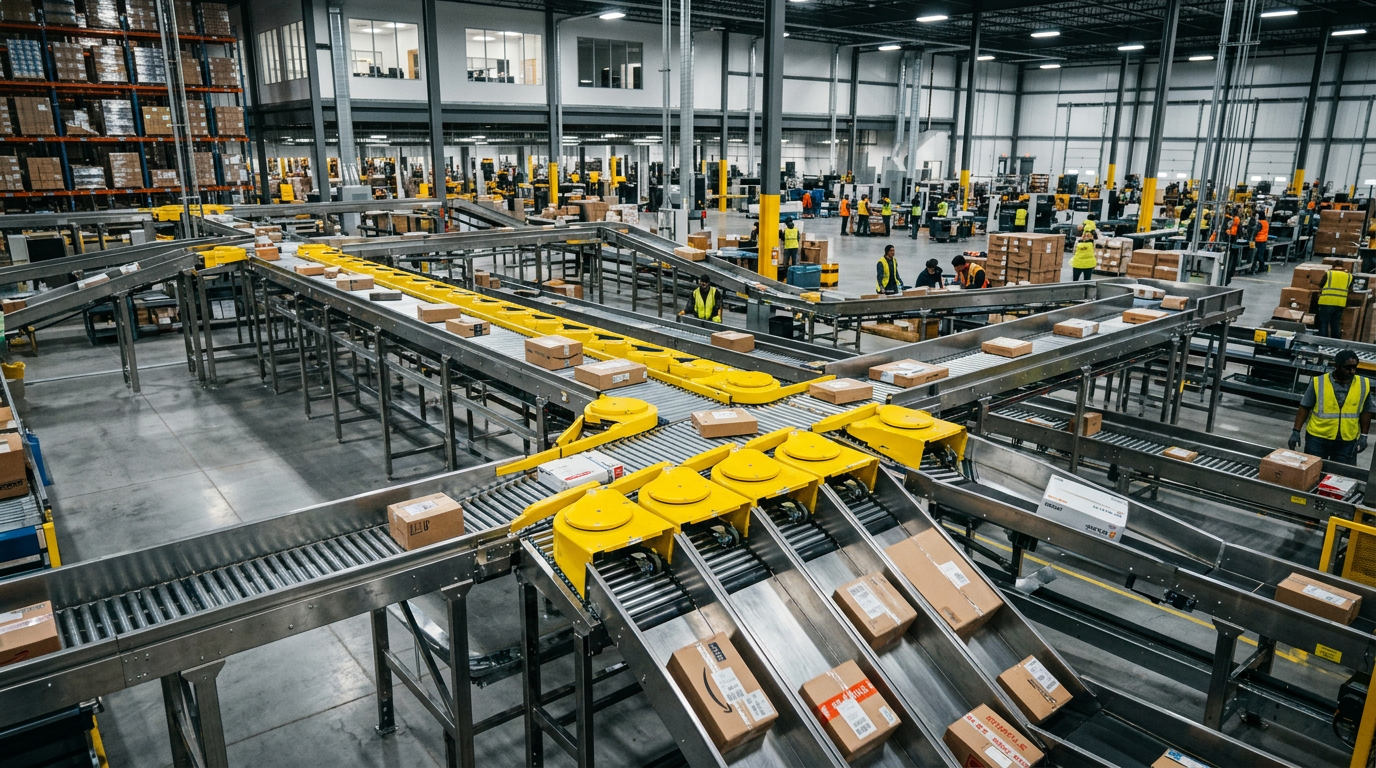
Line balancing is the process of distributing task loads evenly across all workcells in a production line to ensure that no single station becomes a bottleneck while others remain idle. In a conveyorized environment, the conveyor itself acts as the "circulatory system" that determines the pace of production. When material flow is unbalanced, the system suffers from two primary waste states: starvation (downstream machines waiting for product) and blockage (upstream machines stopped because the conveyor is full).
To quantify the effectiveness of these efforts, operations managers rely on Overall Equipment Effectiveness (OEE). OEE is calculated by multiplying Availability, Performance, and Quality (ISO 22400). In conveyor systems, "Performance" is often the hardest metric to stabilize because micro-stops—short interruptions lasting less than two minutes—are frequently caused by poor line balancing rather than mechanical failure.
The Role of Buffering and Accumulation
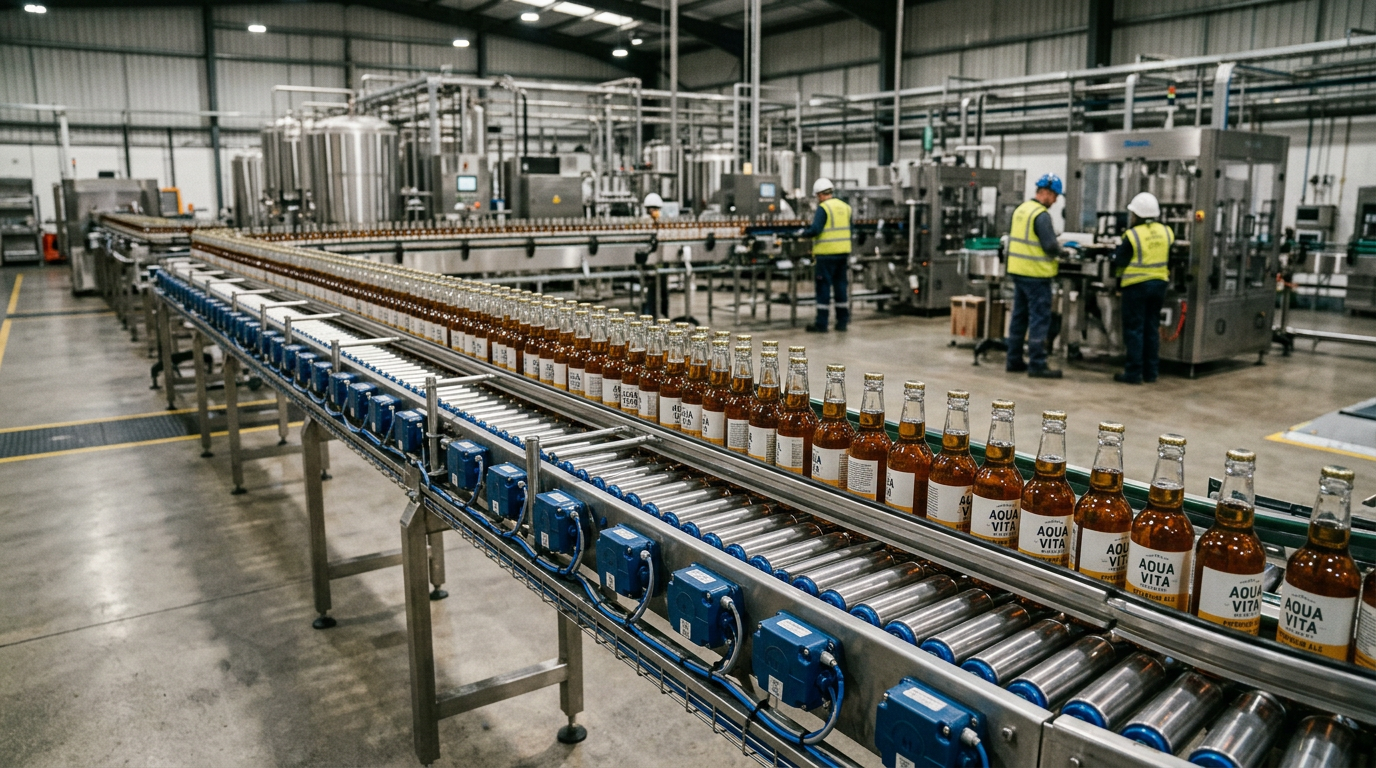
A critical component of balancing material flow is the strategic use of accumulation buffers. These buffers decouple machines with different cycle times, allowing a minor stop on one machine to occur without immediately forcing the entire line to shut down.
Calculation for Buffer Capacity
A common rule of thumb for determining the necessary buffer length is:
Buffer Length = (Downstream Repair Time / Upstream Cycle Time) * Product Length * 1.2 (Safety Factor)
For example, if a downstream labeler requires 2 minutes to clear a jam and the upstream filler produces 60 units per minute, you need a buffer capable of holding at least 120 units to prevent the filler from stopping.
For engineers designing these complex layouts, Easy Conveyors provides modular aluminum and stainless steel conveyor systems that allow for rapid reconfiguration of accumulation zones, ensuring that as production demands shift, the physical line can adapt to maintain balance.
Strategies for OEE Improvement
Improving OEE in conveyor-based systems involves addressing the "Six Big Losses" identified by Lean manufacturing principles.
- Reduced Speed: Often caused by conveyors not being synchronized with machine VFDs.
- Idling and Minor Stops: Often a result of sensor misalignment or poor product spacing.
- Breakdowns: Mitigated by transition to IE3 or IE4 high-efficiency motors (IEC 60034-30-1).
- Process Defects: Caused by rough handling or high-impact transfers.
- Reduced Yield: Product damage during accumulation.
- Setup and Adjustments: Long changeover times for different SKU widths.
Comparing Conveyor Types for Flow Optimization
| Feature | Belt Conveyors | Modular Plastic Belts | Roller Conveyors (ZLP) |
|---|---|---|---|
| Primary Use | High speed, incline | Heavy load, curves | Zero-pressure accumulation |
| Efficiency | Moderate | High (Low friction) | Very High (Zone control) |
| Hygiene Rating | Medium | High (EHEDG compliant) | Low to Medium |
| Maintenance | Tensioning required | Easy link replacement | Complex electronics |
| OEE Impact | Tracking issues | High reliability | Minimized micro-stops |
Easy Conveyors stocks the material handling discussed here — ready to ship across Europe.
Advanced Flow Control: Zero Pressure Accumulation (ZPA)
One of the most effective ways to improve OEE is the implementation of Zero Pressure Accumulation (ZPA). Unlike traditional conveyors where products push against each other, creating backpressure and potential damage, ZPA systems divide the conveyor into zones. Each zone is controlled by a sensor and a motor (often a brushless DC drum motor).
According to Interroll, ZPA ensures that products only move when the downstream zone is clear, eliminating collisions. This directly improves the "Quality" component of OEE by reducing product scrap and the "Performance" component by eliminating jams.
Integrating VFD Soft-Start Tuning
The way a conveyor starts and stops significantly impacts the mechanical stress on the system and the stability of the product. Implementing VFD soft-start tuning reduces the torque spikes that lead to premature chain stretch or belt failure. By utilizing S-curve acceleration profiles, the material flow remains smooth even during frequent start-stop cycles required for line balancing.
For high-speed packaging lines, integrating these drives with a centralized PLC using EtherNet/IP or PROFINET allows for real-time adjustments to conveyor speeds based on the "V-Graph" logic. The V-Graph logic dictates that the "lead" machine (the bottleneck) runs at a constant speed, while upstream and downstream conveyors adjust their speeds dynamically to keep buffers at 50% capacity.
Design Trade-offs: Throughput vs. Flexibility
When designing for OEE, there is often a trade-off between maximizing raw throughput and maintaining system flexibility. A "tightly coupled" line with no buffers has high theoretical throughput but very low actual OEE, as any single failure stops the entire system. Conversely, an over-buffered line occupies significant floor space and increases "Work in Progress" (WIP) levels, which can hide underlying process inefficiencies.
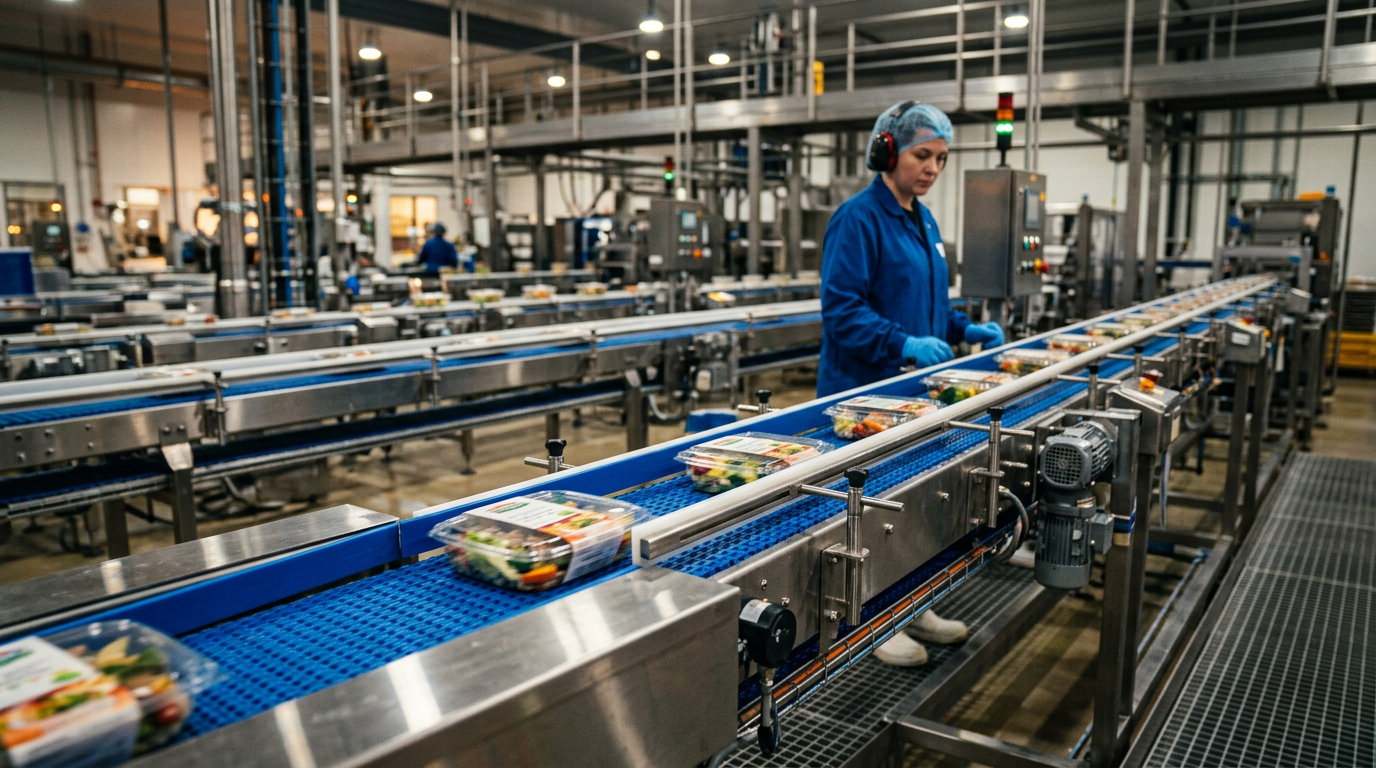
Engineers must also consider hygienic wash-down design (EHEDG guidelines) in food and pharma sectors. A conveyor that is difficult to clean will have a lower "Availability" score due to extended sanitation windows, regardless of how well it is balanced during production hours.
Measuring Success: Key Performance Indicators
To validate improvements in line balancing, facilities should track:
- Mean Time Between Failure (MTBF): The average time the conveyor runs without a technical stop.
- Mean Time to Repair (MTTR): How quickly a jam or belt break is resolved.
- Constraint Utilization: The percentage of time the bottleneck machine is actually running.
- Total Effective Equipment Productivity (TEEP): OEE measured against 24/7 calendar time.
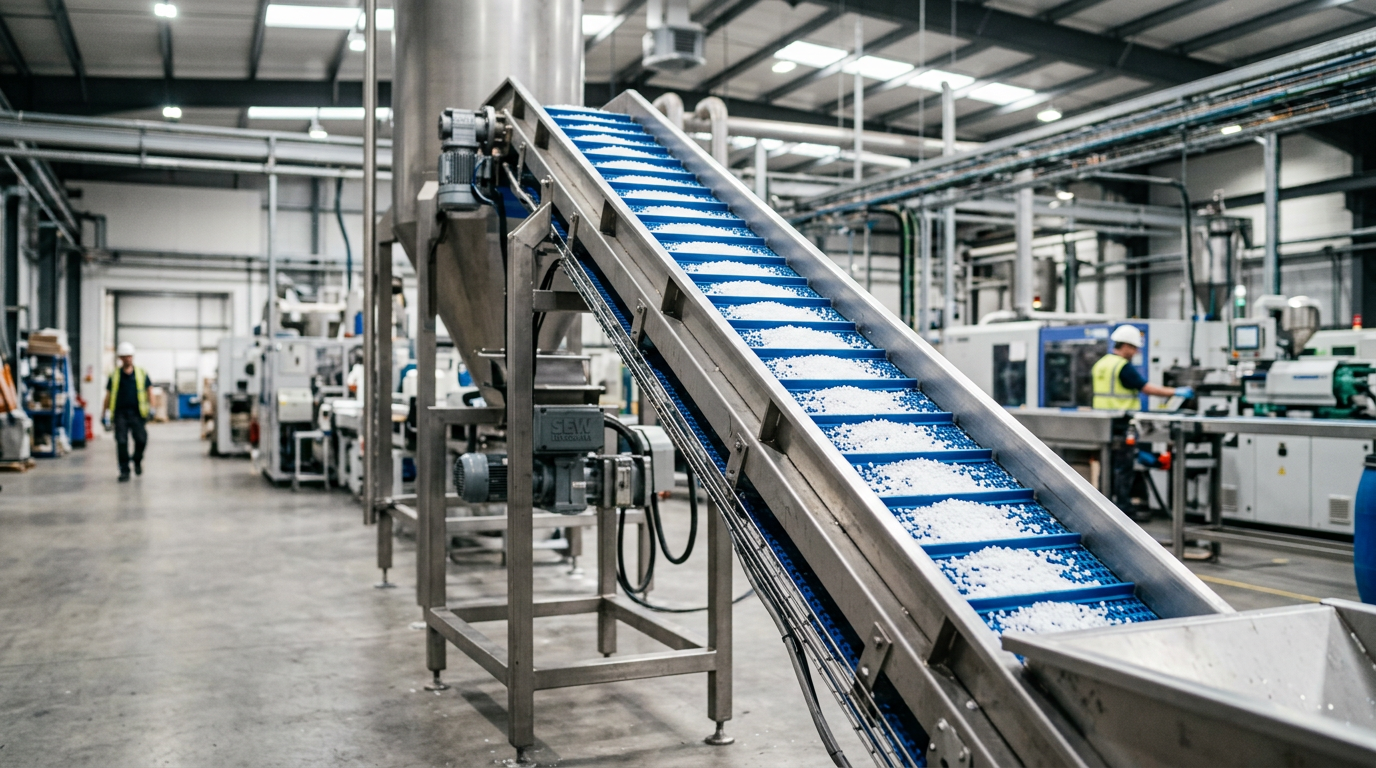
By focusing on these metrics and employing modular components that allow for iterative improvements, manufacturers can transform their material flow from a series of disjointed machines into a synchronized, high-OEE production engine. Utilizing standard components like those from SEW-Eurodrive for reliable gearing ensures that the mechanical foundation of the line supports these high-level digital optimizations. Industrial automation is no longer just about moving parts from A to B; it is about the intelligent management of every millimeter of space between them.
Frequently Asked Questions
How does line balancing directly impact OEE?
Line balancing ensures that all machines in a sequence have synchronized cycle times, preventing bottlenecks and reducing micro-stops that lower OEE Performance scores.
What is the primary function of a buffer in a conveyor system?
A buffer acts as a shock absorber. It allows a downstream machine to stop for a short period (e.g., a label roll change) without forcing the upstream machines to stop.
What are 'micro-stops' and why are they dangerous for OEE?
Micro-stops are brief interruptions (often <2 mins) caused by sensor glitches or minor jams. While small, their cumulative effect can reduce OEE by 10-20% in high-speed lines.
Why is Zero Pressure Accumulation (ZPA) preferred for fragile products?
ZPA divides a conveyor into zones that only move when the next zone is clear, preventing product back-pressure, reducing motor wear, and eliminating product damage.
How does motor efficiency class (IEC 60034-30-1) affect conveyor OEE?
High-efficiency motors (IE3/IE4) reduce energy waste and heat generation, leading to longer component life and higher system Availability.
Sources & references
- [1]ISO 22400-2:2014 Automation systems and integration — Key performance indicators (KPIs) for manufacturing operations management
- [2]IEC 60034-30-1 Efficiency classes of line-operated AC motors
- [3]EHEDG Hygienic Design Principles
- [4]SEW-Eurodrive Gearmotors and Drive Solutions
- [5]Zero Pressure Accumulation (ZPA) Technology