Stainless Steel Modular Belts for Hygienic Wash-down Environments
Discover how stainless steel modular belts optimize hygienic wash-down environments, meeting EHEDG/FDA standards with IP69K durability for food and pharma.
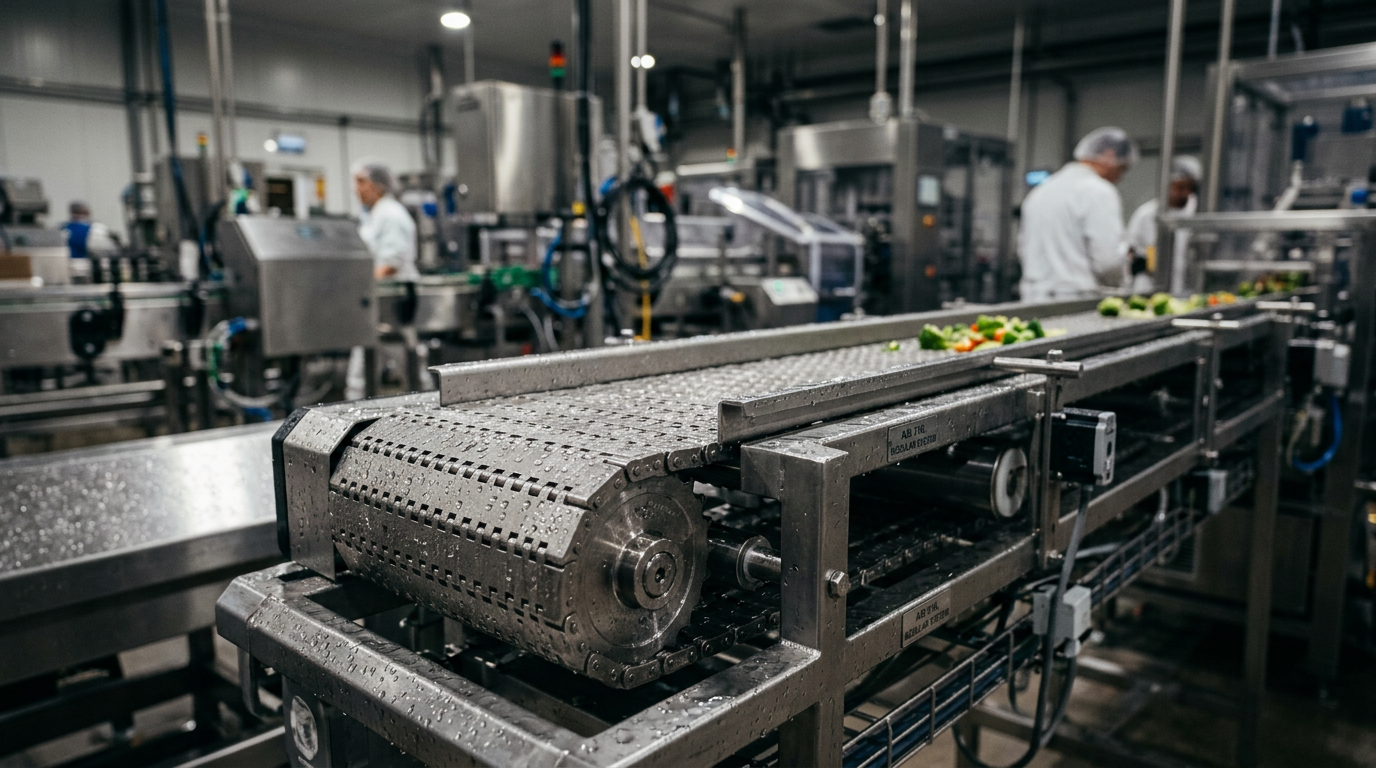
For food and pharmaceutical processing, stainless steel modular belts must adhere to EHEDG and FDA standards, typically offering a 100% increase in corrosion resistance compared to zinc-plated alternatives while supporting wash-down pressures up to 100 bar. These systems ensure high levels of sanitation by eliminating bacterial harborages through open-frame designs and high-grade AISI 304 or 316L stainless steel construction.
The Imperative of Hygienic Design in Modern Manufacturing
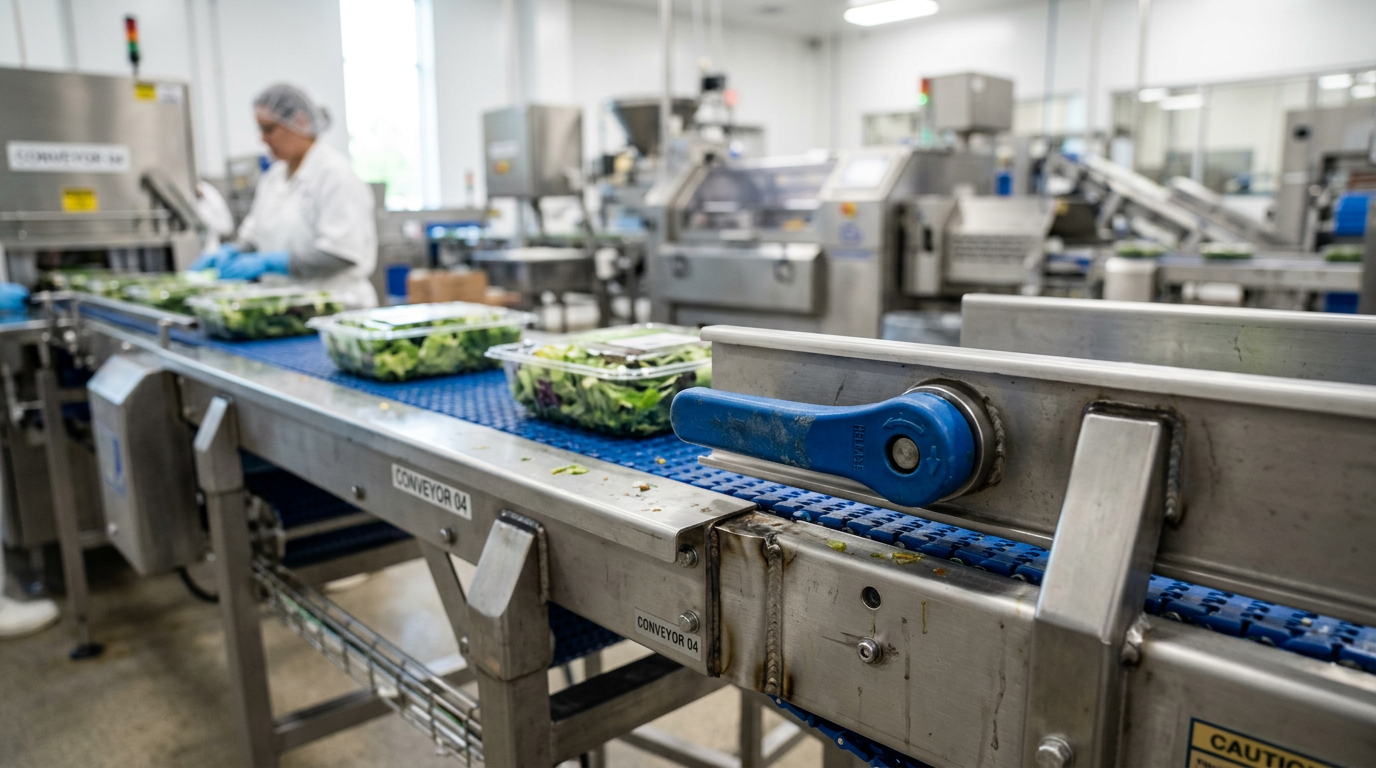
In industries like dairy, meat processing, and pharmaceuticals, the conveyor system is not merely a transport mechanism; it is a critical surface that must remain biologically inert. Stainless steel modular belts for hygienic wash-down environments are engineered to withstand the rigorous "clean-in-place" (CIP) and "clean-out-of-place" (COP) protocols required to prevent cross-contamination.
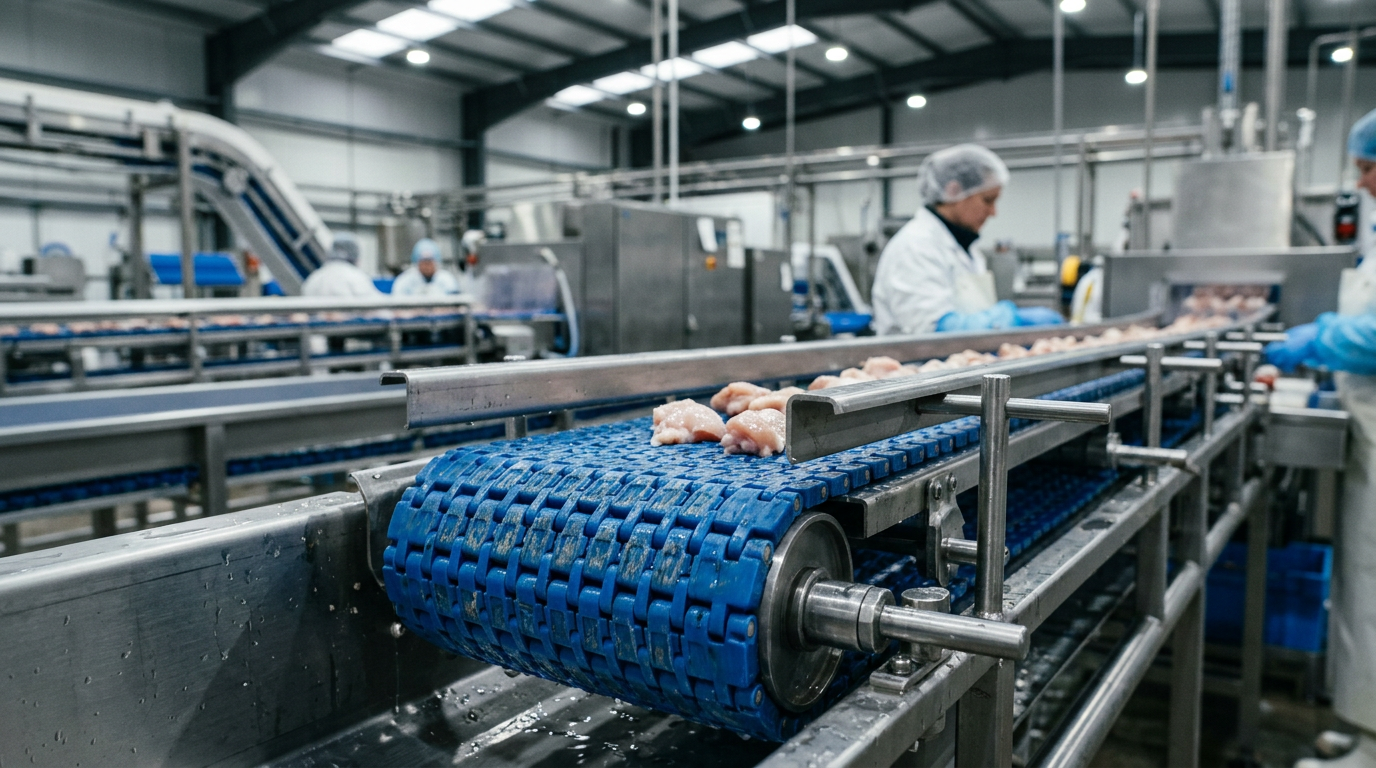
The shift toward modular stainless steel systems over traditional fabric belts stems from the need for mechanical durability. While a fabric belt may fray or delaminate under high-pressure water jets, a modular system composed of interconnected stainless steel links or high-performance polymers mounted on a stainless frame provides a robust, fail-safe alternative.
Material Excellence: 304 vs. 316L Stainless Steel
Selecting the right grade of stainless steel is the foundation of any hygienic conveyor project. While both are common in industrial settings, their performance in chemical environments varies significantly.
- AISI 304: The industry standard for most food-grade applications. It offers excellent resistance to oxidizing acids and is easy to sanitize.
- AISI 316L: Contains molybdenum, which provides superior resistance to chlorides (salts) and acetic acids. This grade is mandatory for brine-heavy environments (seafood) or aggressive chemical wash-downs in pharmaceutical plants.
| Feature | AISI 304 Stainless | AISI 316L Stainless | High-Performance POM |
|---|---|---|---|
| Corrosion Resistance | High | Excellent (Chloride resistant) | Chemical dependent |
| Max Temperature | 400°C+ | 400°C+ | 90°C |
| Yield Strength | ~215 MPa | ~190 MPa (but tougher) | ~70 MPa |
| Typical IP Rating | IP66/IP69K | IP69K | N/A (Material) |
| USDA/FDA Approved | Yes | Yes | Selected grades |
Structural Principles for Wash-down Environments
A hygienic conveyor is defined by what it lacks—specifically, it lacks "dead zones" where water can pool or organic matter can accumulate. When designing or procuring these systems, engineers focus on three primary design pillars.
1. Open Frame Architecture
Traditional box frames are a liability in wash-down zones. Modern hygienic conveyors utilize an open-frame design using C-profiles or tubular spacers. This allows 360-degree access for spray nozzles during the cleaning cycle, ensuring that the underside of the belt and the internal wear strips are thoroughly decontaminated.
2. Minimum Surface Contact
To prevent "biofilm" growth, the contact area between the belt and the support structure should be minimized. This is often achieved using "snake" or "zig-zag" wear strips made of UHMW-PE (Ultra-High Molecular Weight Polyethylene). These strips reduce friction while allowing water to flow freely between the belt and the frame.
3. Sloped Surfaces and Radius Corners
International standards like EHEDG (European Hygienic Engineering & Design Group) dictate that horizontal surfaces should be avoided. All frame components should have a minimum slope of 3° to ensure natural drainage. Furthermore, internal corners must have a minimum radius (typically 3mm to 6mm) to prevent the "dead pocket" effect where bacteria can hide from high-pressure sprays.
Easy Conveyors stocks the modular systems discussed here — ready to ship across Europe.
Modular Belt Dynamics: Pitch and Drive Systems
The "modular" aspect refers to the belt's construction from discrete interconnected links. For stainless steel belts, this often involves wire-mesh or grid-style modules.
- Small Pitch Units: Systems with a 12.5mm to 25mm pitch are ideal for tight transfers (nose bars) where small products like tablets or delicate pastries are being moved.
- Large Pitch Units: 50mm pitch belts offer higher load capacities and are easier to clean because the hinges are larger and more accessible.
Integration with the drive system is equally critical. For high-hygiene areas, many engineers are moving away from traditional gearmotors in favor of drum motor selection strategies that keep the motor and gearing hermetically sealed within the drive roller. This eliminates external oil seals and cooling fins that can trap debris. To ensure smooth operation, VFD soft-start tuning is recommended to prevent the "jerking" of stainless modules, which can lead to premature pin wear.
Maintenance and Longevity in Harsh Environments
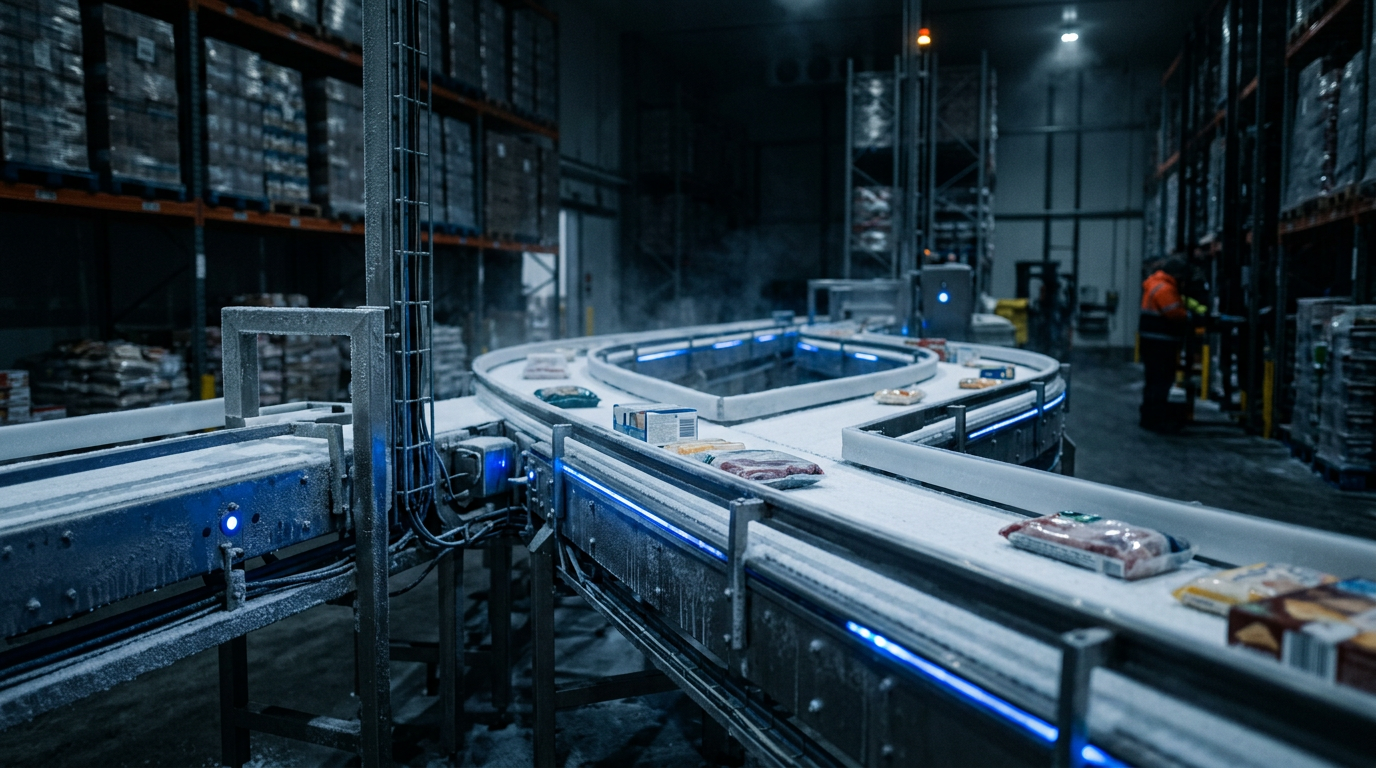
Operating in a wash-down environment means the conveyor is constantly subjected to thermal shock (hot water cleaning followed by cold room operation) and chemical aggression.
One of the most common failure modes is "pitting" or "crevice corrosion" at the hinge points. To combat this, Easy Conveyors provides high-quality modular solutions that emphasize accessibility, ensuring that cleaning agents can reach the pins during the sanitation cycle.
Regular inspection of the drive sprockets is also essential. Unlike plastic belts, stainless steel belts can be abrasive. Using hardened stainless steel or specialized reinforced polymers for sprockets ensures that the drive teeth do not wear down prematurely under the high-torque demands of heavy-duty wash-down lines.
Compliance and Regulatory Frameworks
Navigating the legal requirements for hygienic conveyors involves several key standards:
- FDA (Food and Drug Administration): Regulates the material composition (CFR 21) to ensure no toxic migration into food.
- EHEDG (European Hygienic Engineering & Design Group): Focuses on the mechanical design—how the machine is built to be cleanable.
- IP69K Rating: The gold standard for electrical components (motors, sensors) in wash-down areas, signifying protection against high-pressure, high-temperature water jets (100 bar at 80°C).
For those designing new facilities, prioritizing hygienic wash-down design from the outset is significantly more cost-effective than attempting to retrofit an existing modular system with "sanitation covers" or secondary drainage trays.
Integration with Automation
In modern pharmaceutical and food lines, the conveyor is often integrated with sensors and reject mechanisms. All sensor brackets and cabling must also follow hygienic principles. This means using "hygienic cable glands" and ensuring that cables are routed away from the product path using stainless steel stand-offs rather than plastic zip-ties, which are a major contamination risk.
By selecting the correct stainless steel grade, ensuring an open-frame design, and adhering to IP69K standards for all electrical components, manufacturers can significantly reduce downtime during cleaning cycles and, more importantly, protect the integrity of their product.
Frequently Asked Questions
Why choose stainless steel over plastic modular belts?
Stainless steel belts offer superior temperature resistance (up to 400°C), higher load capacity, and better resistance to abrasive cleaning chemicals compared to most polymers.
What does IP69K mean in a wash-down environment?
The IP69K rating ensures that a component (like a motor or sensor) is completely dust-tight and can withstand high-pressure water jets (up to 100 bar) and high temperatures (up to 80°C).
Is 316L stainless steel worth the extra cost over 304?
316L contains 2% molybdenum, making it much more resistant to salt-induced corrosion (pitting) than 304, which is vital for meat, snack food, and pharmaceutical applications.
How often should hygienic conveyors be cleaned?
Cleaning frequency depends on the product (e.g., raw meat vs. dry packaging), but generally includes a daily 4-stage process: pre-rinse, foam detergent, mechanical scrub/rinse, and sanitization.
How does conveyor design impact food safety?
Poor hygiene design is the leading cause of recalls. A system with 'dead zones' can harbor Listeria or Salmonella, leading to massive financial and reputational loss.