Optimizing Conveyor Drives with Energy-Efficient IE3 and IE4 Motors
Switching to IE3 and IE4 motors on conveyor drives can reduce energy consumption by up to 5%, offering an ROI within 24 months for high-duty cycle applications.
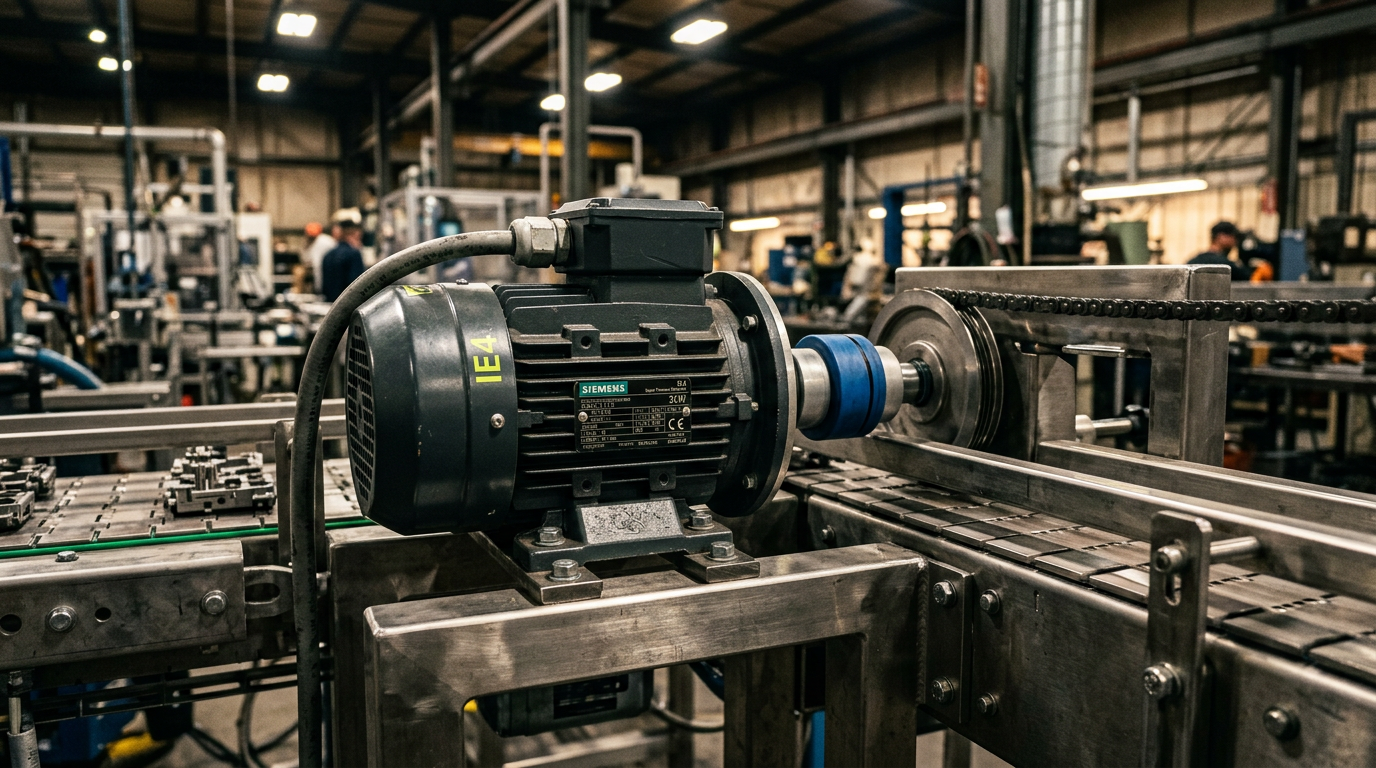
Implementing IE3 and IE4 motors on conveyor drives typically yields a 2% to 5% reduction in total energy consumption, depending on the load profile and duty cycle, while ensuring compliance with the ErP Directive (Regulation EU 2019/1781). By transitioning from IE2 to IE4 efficiency classes, facilities can achieve a Return on Investment (ROI) in as little as 12 to 24 months through reduced thermal losses and lower utility costs.
The Shift Toward Ultra-Premium Efficiency in Material Handling
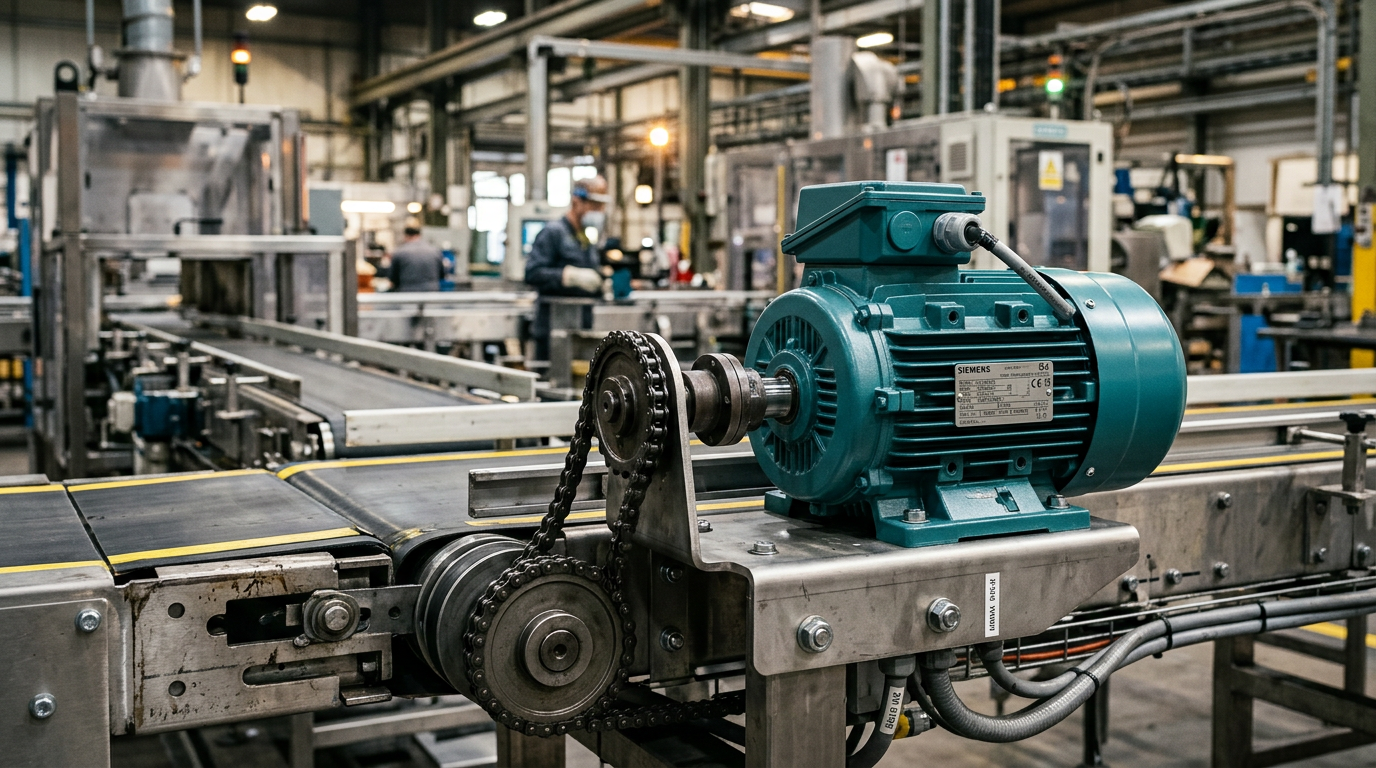
Energy efficiency in industrial motor systems is no longer a peripheral concern; it is a regulatory and economic mandate. According to the IEC 60034-30-1 standard, motors are classified by their efficiency levels, ranging from IE1 (Standard Efficiency) to IE4 (Super-Premium Efficiency). In the context of conveyor systems, which often run 24/7 in distribution centers and manufacturing plants, the motor drive is the primary consumer of electricity.
While a 2% difference between an IE3 and an IE4 motor may seem negligible, the cumulative effect over thousands of operating hours is substantial. In a large-scale sortation facility with 500 individual drives, upgrading to IE4 motors can save tens of thousands of Euros annually. Furthermore, these motors run cooler, extending the life of bearings and insulation, which directly correlates to lower maintenance overhead.
Technical Comparison: IE3 vs. IE4 Motor Performance
The jump from IE3 (Premium Efficiency) to IE4 (Super-Premium Efficiency) involves sophisticated engineering. IE4 motors often utilize Permanent Magnet (PM) technology or Synchronous Reluctance (SynRM) designs to eliminate rotor slip losses, which are inherent in traditional squirrel-cage induction motors.
| Feature | IE3 (Premium Efficiency) | IE4 (Super-Premium Efficiency) |
|---|---|---|
| Technology | AC Induction (standard) | PMAC or SynRM |
| Typical Efficiency (7.5kW) | ~90.4% | ~92.6% |
| Thermal Loss | Moderate | 15-20% lower than IE3 |
| Partial Load Performance | Drops below 50% load | Remains high across speed range |
| Initial Cost | Baseline | 20-40% Premium |
| Typical Payback Period | 12 months (vs IE2) | 18-36 months (vs IE3) |
The Role of Variable Frequency Drives (VFDs)
To fully realize the benefits of IE4 motors, they must be paired with appropriately tuned Variable Frequency Drives. While an IE3 motor can be started Direct-On-Line (DOL), many IE4 technologies, particularly Permanent Magnet motors, require a VFD for commutation and control.
Modern "VFD soft-start tuning" allows for gentle acceleration curves that protect the conveyor belt and mechanical components from torque spikes. This synergy between the motor and the drive is critical for high-efficiency conveyor modules where varying load weights are common. By utilizing a VFD, the system can adjust motor speed based on sensor feedback (e.g., photo-eyes detecting product presence), further reducing energy waste during idle periods.
Application in Modular Conveyor Systems
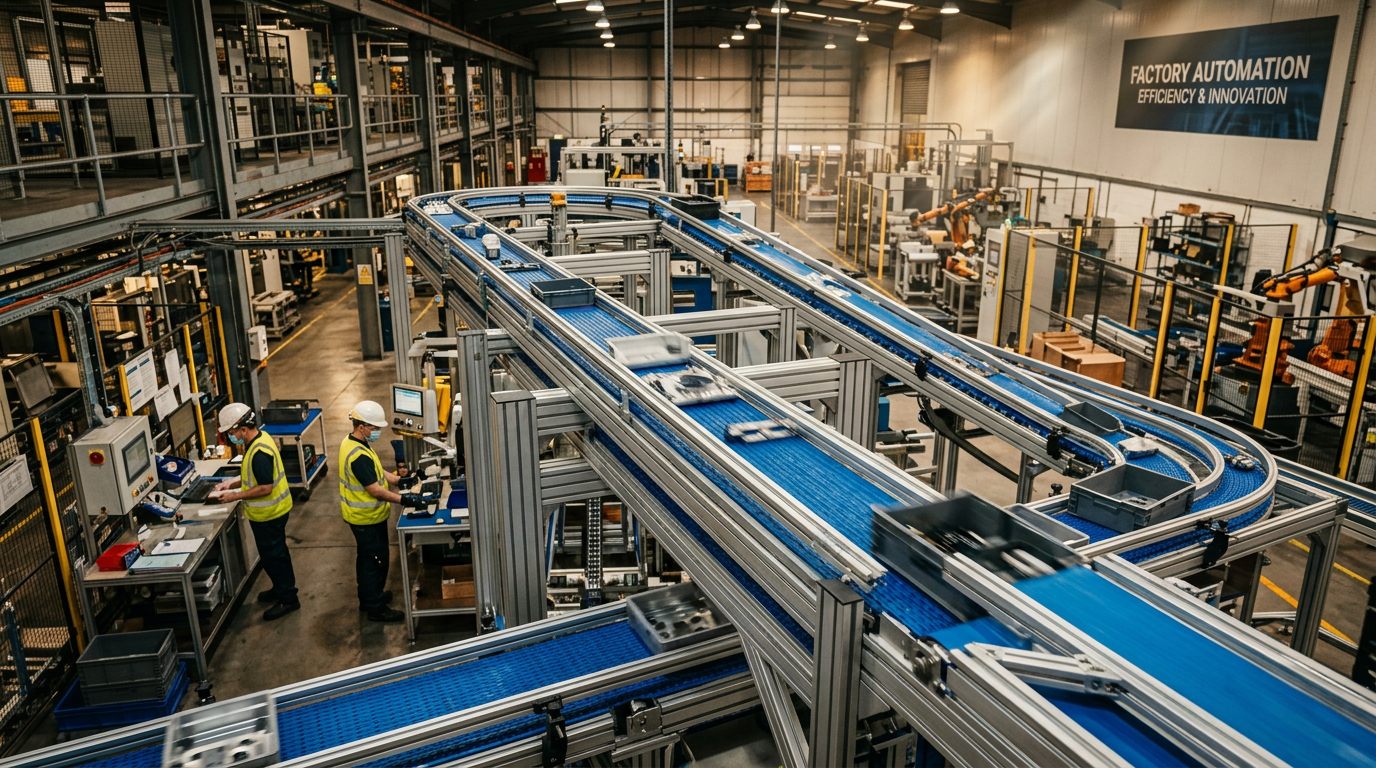
In modular environments, the choice of drive often dictates the overall system footprint. IE4 motors, due to their higher power density, can sometimes be smaller than their IE3 counterparts for the same power rating. This is a significant advantage for engineers designing compact Easy Conveyors modules, where space is at a premium and heat dissipation needs to be minimized.
When integrating these motors, engineers should also consider the mechanical efficiency of the transmission. Pairing a high-efficiency IE4 motor with an inefficient worm gearbox (which may only be 60-70% efficient) negates the motor's benefits. Instead, helical-bevel or planetary gearboxes should be used to maintain a high system-wide efficiency (System Efficiency = Motor Eff. × Gearbox Eff. × VFD Eff.).
Heat Dissipation and Longevity
Heat is the enemy of electromecha
Easy Conveyors stocks the conveyor components discussed here — ready to ship across Europe.
nical components. For every 10°C increase in operating temperature, the life of motor insulation is effectively halved. IE4 motors, by virtue of their lower losses, generate significantly less heat. This leads to:
- Reduced Cooling Requirements: In climate-controlled environments like pharmaceutical warehouses, lower heat rejection from the conveyors reduces the load on the HVAC system.
- Extended Bearing Life: Lower internal temperatures preserve the viscosity of the grease in the bearings, extending the mean time between failures (MTBF).
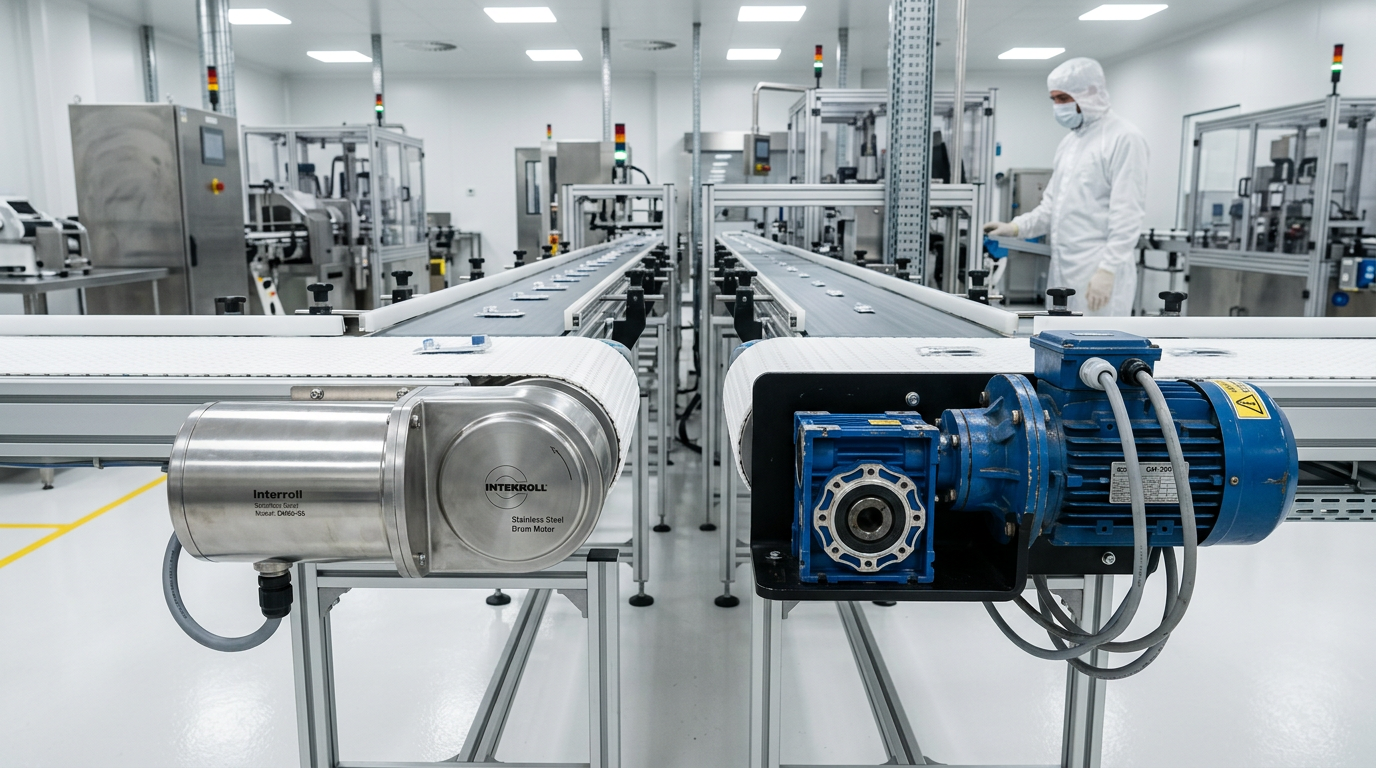
- Improved Reliability in Wash-down Areas: For food-grade conveyors requiring "hygienic wash-down design", IE4 stainless steel motors provide high efficiency without the need for cooling fins, which are notoriously difficult to clean and can harbor bacteria.
Regulatory Landscape (EU and North America)
Manufacturers must stay compliant with evolving standards. In the European Union, Regulation 2019/1781 mandates that motors between 75 kW and 200 kW must meet IE4 standards as of 2023. While smaller conveyor motors (often in the 0.37 kW to 7.5 kW range) are currently mandated at IE3, the trend is moving toward IE4 across all power brackets. In North America, NEMA Premium standards align closely with IE3, though adoption of IE4 (Super-Premium) is accelerating in the automotive and e-commerce sectors to meet corporate ESG (Environmental, Social, and Governance) targets.
Sizing and Selection Strategy
Selecting the right motor requires more than just matching horsepower. Over-sizing a motor is a common mistake that leads to poor efficiency, as induction motors operate most efficiently near their rated load. However, IE4 Synchronous Reluctance motors maintain a flatter efficiency curve, making them more forgiving in applications with highly variable loads, such as a conveyor that handles both empty boxes and heavy pallets.
When considering "drum motor selection", the same efficiency rules apply. High-efficiency internal permanent magnet motors within the drum can reduce the overall diameter and eliminate the need for external gearboxes and chains, further boosting the mechanical efficiency of the drive train.
Total Cost of Ownership (TCO) Calculation
When presenting the case for IE4 motors to procurement, focus on TCO rather than the initial purchase price. The purchase price of a motor typically represents only 2% to 5% of its total lifetime cost; the remaining 95% is the electricity it consumes.
For example, a 7.5 kW motor running 6,000 hours per year at €0.20/kWh:
- IE3 (90.4% eff): Consumes ~49,778 kWh/year = €9,955.
- IE4 (92.6% eff): Consumes ~48,596 kWh/year = €9,719.
- Annual Saving: €236 per motor.
If the IE4 motor costs €400 more than the IE3, the payback is reached in under 2 years. In a facility with 100 motors, this translates to €23,600 in annual savings and a significant reduction in the facility's carbon footprint.
Future-Proofing with IE5 and Beyond
The industry is already looking toward IE5 (Ultra-Premium Efficiency). These motors, often using advanced ferrite magnet technology or enhanced SynRM designs, target a further 20% reduction in losses compared to IE4. While the initial investment is higher, the trajectory of energy prices suggests that today's "premium" will be tomorrow's "standard." Designing conveyor systems today with IE4 or IE5 compatibility ensures that the infrastructure remains viable and cost-effective for the next decade of operation.
By integrating high-efficiency drives into modular conveyor frameworks, manufacturers not only comply with international standards like ISO 50001 for energy management but also build a more resilient and sustainable operation.
Frequently Asked Questions
What is the main difference between IE3 and IE4 motors?
IE3 represents Premium Efficiency, while IE4 is Super-Premium Efficiency. Technically, IE4 motors reduce energy losses by an additional 15-20% compared to IE3 models, often by using permanent magnet or synchronous reluctance technology.
Do I need a VFD to run an IE4 motor?
Yes, while many IE3 motors can run directly from the grid (DOL), most IE4 technologies like PMAC or SynRM require a Variable Frequency Drive to operate correctly and achieve their rated efficiency.
What is the typical ROI for IE4 motor upgrades?
In a 24/7 operation, the payback period for upgrading from IE3 to IE4 is typically between 18 to 36 months, depending on local electricity rates and the motor's load factor.
How does IE4 efficiency affect motor lifespan?
IE4 motors run significantly cooler than IE3 or IE2 motors. This reduces thermal stress on the motor windings and bearings, leading to longer service intervals and a longer overall lifespan for the drive.