Optimizing Logistics with Energy-Efficient IE3 and IE4 Motors on Conveyor Drives
IE3 and IE4 motors reduce electrical losses by up to 25% on conveyor drives. Learn how to select, size, and integrate these high-efficiency units for maximum ROI.
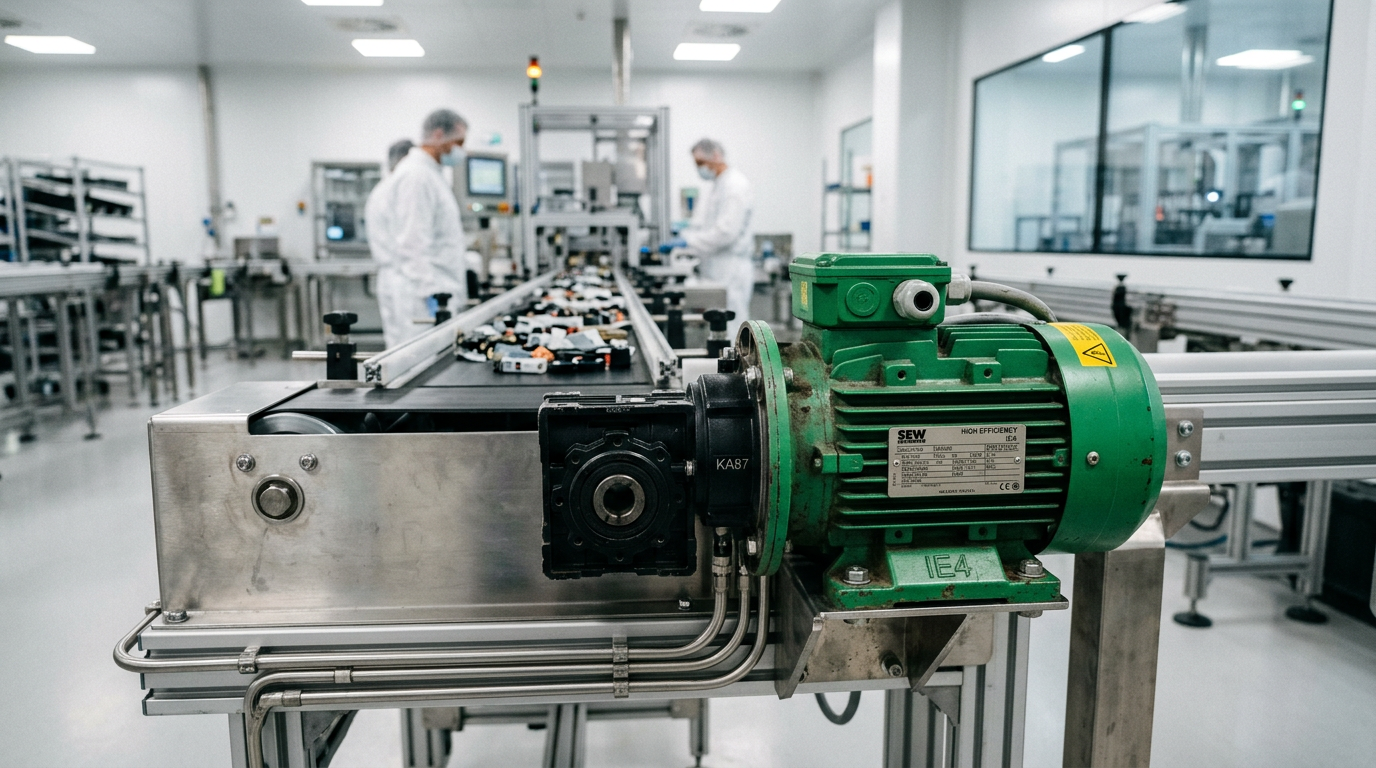
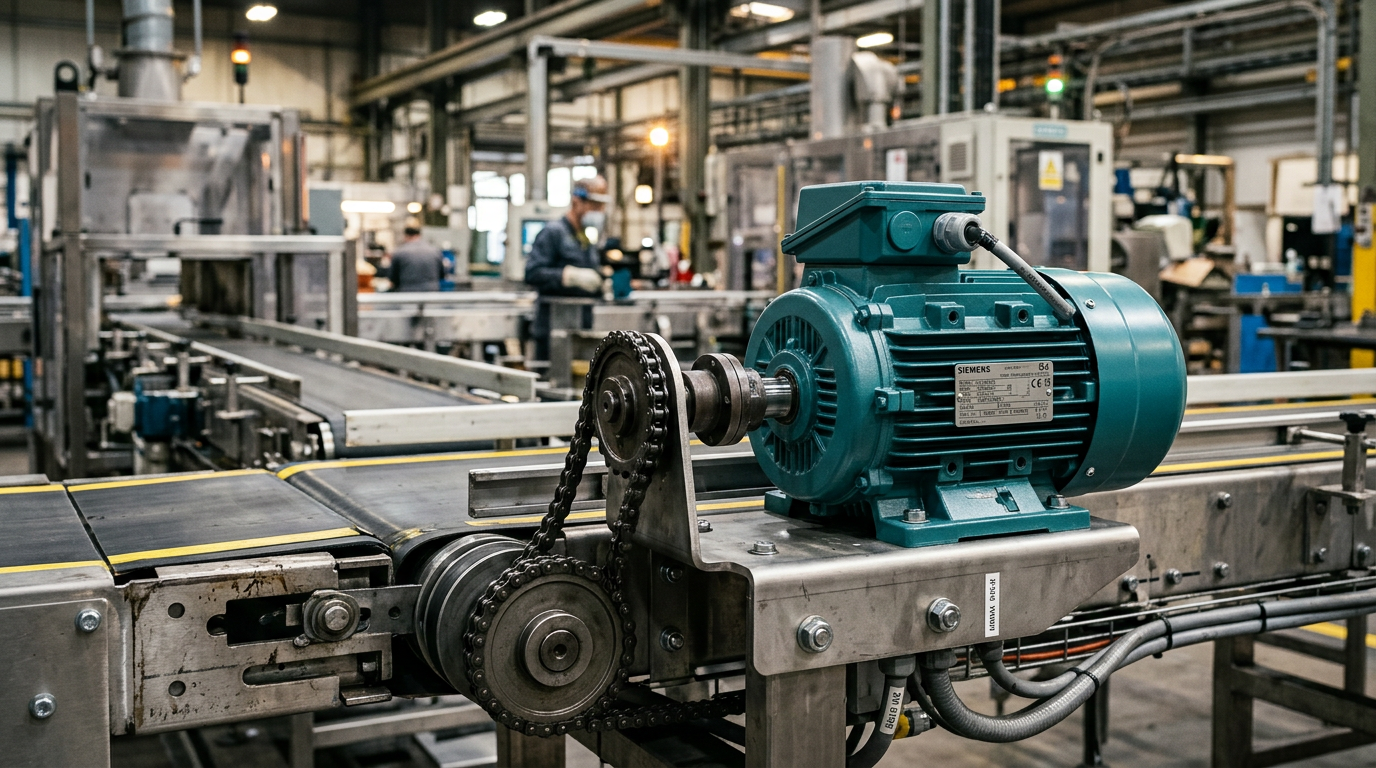
Switching to IE3 and IE4 motors on conveyor drives typically reduces electrical losses by 15% to 25% compared to older IE1 or IE2 units, directly lowering the Total Cost of Ownership (TCO) in 24/7 industrial operations. Under the IEC 60034-30-1 standard, IE3 denotes "Premium Efficiency" while IE4 represents "Super Premium Efficiency," with the latter often utilizing Permanent Magnet (PM) or Synchronous Reluctance (SynRM) technologies to achieve efficiency ratings exceeding 95% in specific power bands.
The Evolution of Motor Efficiency Standards
The global regulatory landscape for industrial motors has tightened significantly over the last decade. In Europe, the EU Ecodesign Regulation 2019/1781 mandated that most three-phase motors between 0.75 kW and 1000 kW must meet the IE3 standard as of July 2021, with further requirements for IE4 on larger units starting in 2023.
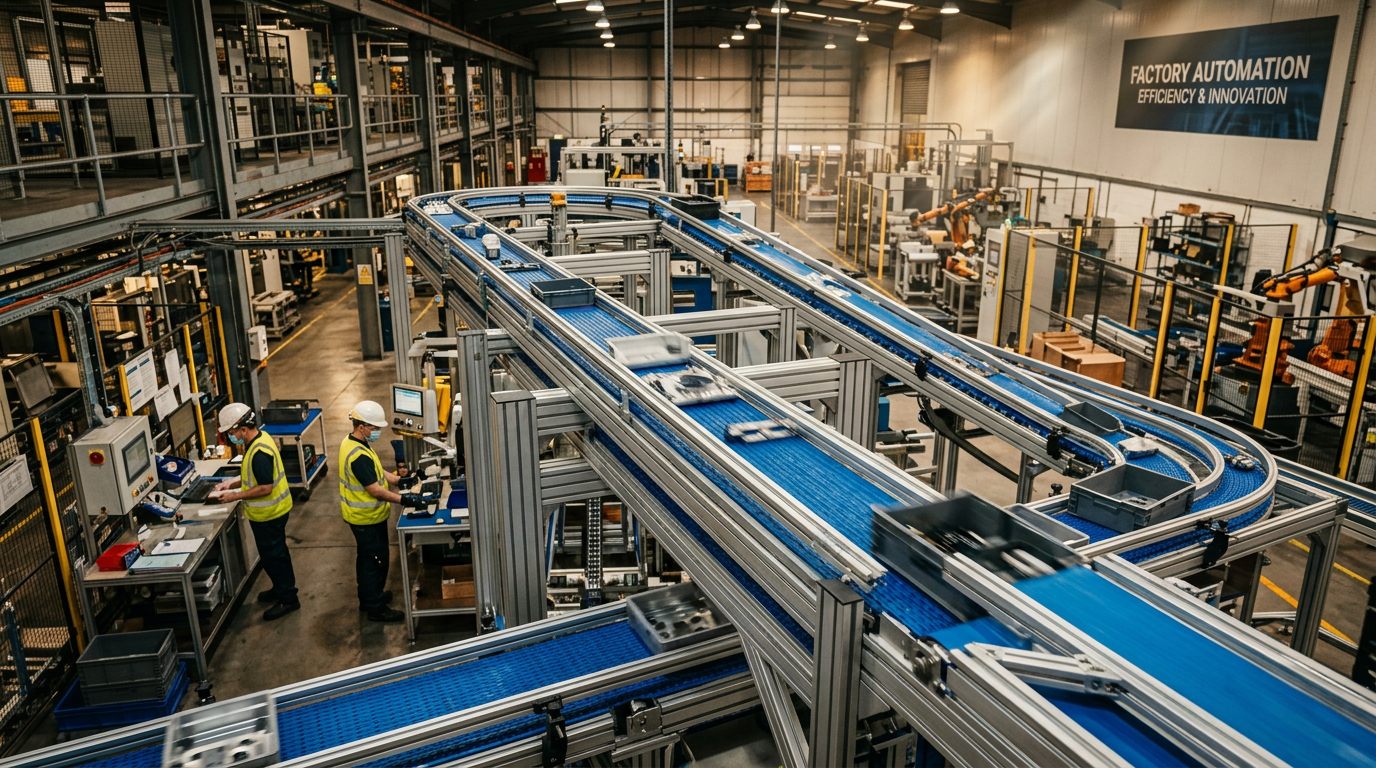
For conveyor systems, which often run continuously in logistics hubs or food processing plants, these fractional gains in efficiency accumulate into massive operational savings. An IE3 motor is engineered with higher-quality electromagnetic steel, thinner lamination layers to reduce eddy current losses, and optimized cooling fans that minimize windage.
Comparing IE3 and IE4 Performance Metrics
While IE3 (Premium Efficiency) is the current industry baseline for new installations, IE4 (Super Premium) is rapidly becoming the preferred choice for high-duty-cycle applications. Unlike IE3 induction motors, many IE4 motors utilize permanent magnet rotors. This eliminates rotor cage losses, allowing the motor to maintain high efficiency even when running at partial loads—a common scenario in variable-speed conveyor operations.
| Specification | IE2 (High Efficiency) | IE3 (Premium) | IE4 (Super Premium) |
|---|---|---|---|
| Relative Efficiency (Typical 7.5kW) | ~88.0% | ~90.5% | ~92.5% |
| Technology Type | Induction (Squirrel Cage) | Induction (Optimized) | PM / SynRM / Advanced Induction |
| Thermal Performance | Standard Heat Rise | Low Heat Rise | Very Low Heat Rise |
| Typical ROI Period | Baseline | 12–18 Months | 18–36 Months |
| VFD Compatibility | Optional | Recommended | Required (for PM/SynRM) |
Implementation in Modular Conveyor Systems
When integrating these high-efficiency drives into modular systems, the focus shifts from the motor alone to the entire drive train. An IE4 motor paired with a low-efficiency worm gearbox will negate the energy savings. High-efficiency helical or bevel gearboxes are the standard accompaniment for modern green-field projects.
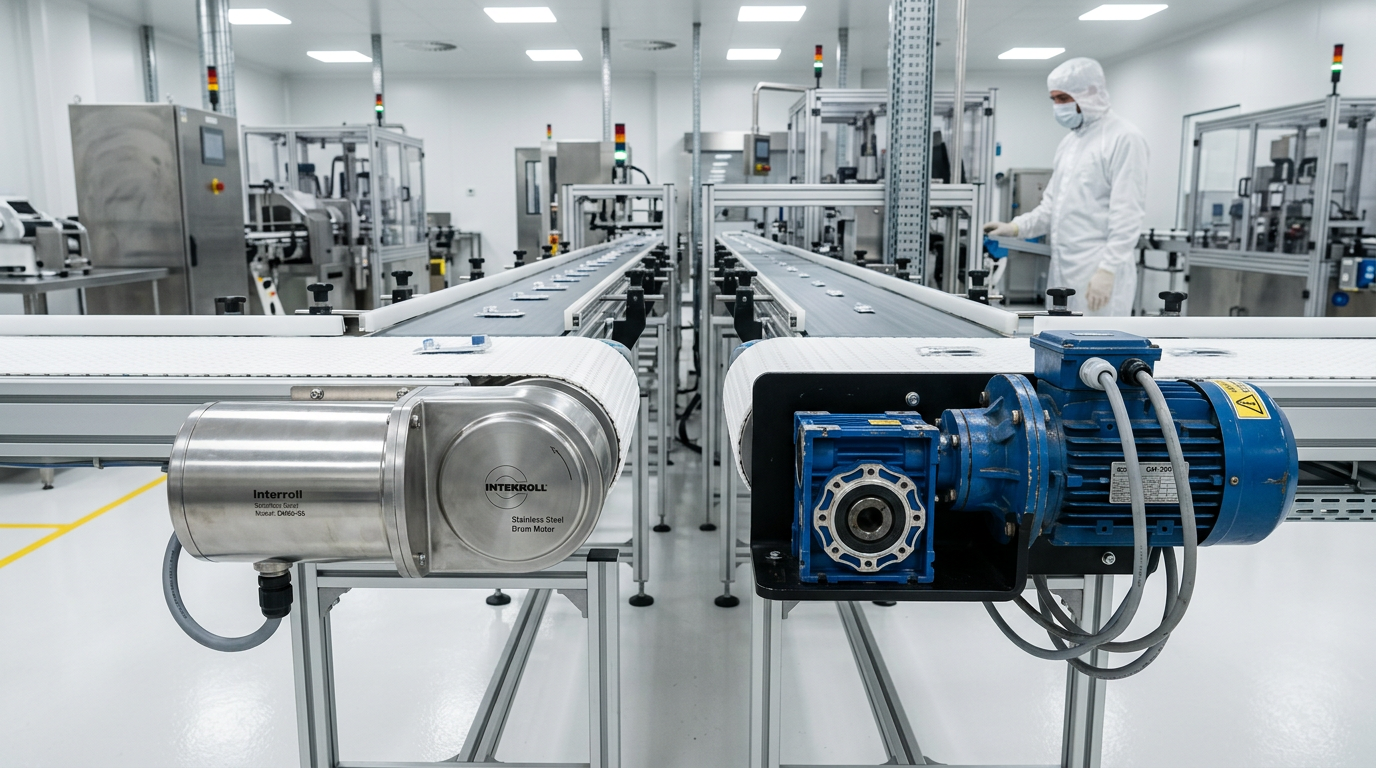
For specialized applications like pharmaceutical packaging or food-grade lines, Easy Conveyors provides modular setups designed to interface seamlessly with IE3 and IE4 rated drive units. Their systems emphasize low-friction belt materials and optimized roller bearings, which complement the energy-saving characteristics of the motor by reducing the overall mechanical load.
Variable Frequency Drives (VFD) and IE4 Motors
The transition to IE4 often involves a shift toward Synchronous Reluctance (SynRM) or Permanent Magnet (PM) motors. Unlike traditional induction motors, these require a Variable Frequency Drive (VFD) to operate.
- IE3 Induction Motors: Can be started "Across the Line" (Direct-on-Line), though VFDs are recommended for soft-starts and energy optimization.
- IE4 SynRM/PM Motors: Cannot be started without a drive. The VFD precisely controls the magnetic field, ensuring the motor operates at its peak efficiency curve regardless of the conveyor's load state.
Engineers should prioritize VFD soft-start tuning to prevent peak current surges that damage belt splices and mechanical couplings. Proper tuning also enables "Energy Optimization" modes found in modern drives from manufacturers like SEW-Eurodrive or Siemens, which reduce the magnetizing current during periods of low throughput.
Easy Conveyors stocks the conveyor components discussed here — ready to ship across Europe.
Technical Trade-offs: Heat, Weight, and Size
One often overlooked advantage of IE3 and IE4 motors is their thermal profile. Because they are more efficient, less energy is converted into waste heat. In temperature-controlled environments, such as chilled food sortation or cleanrooms, this reduces the load on the facility’s HVAC system.
However, there are design trade-offs to consider:
- Increased Inrush Current: IE3 motors typically have higher starting currents than IE2 models. This may require upgrading contactors or circuit breakers if a VFD is not used.
- Weight and Size: To achieve IE3/IE4 levels through induction technology, manufacturers often use more copper and steel, potentially resulting in a larger frame size (e.g., jumping from an 80-frame to a 90-frame).
- Low Friction Importance: High-efficiency motors are sensitive to system drag. Using high-quality drum motor selection criteria or low-friction wear strips is essential to realize the full ROI of the motor upgrade.
Sizing and Selection Strategy
To correctly size a drive for an IE4 system, engineers must calculate the "Running Torque" and "Breakaway Torque." Modular conveyors, especially those utilizing plastic modular belts, exhibit higher friction during cold starts.
A common mistake is oversizing the motor "to be safe." An oversized motor running at 25% load is significantly less efficient than a correctly sized motor running at 75-80% load. By using IE4 PM motors, this efficiency drop-off at partial load is minimized, providing a much wider "sweet spot" for variable speed sortation.
Total Cost of Ownership (TCO) Calculation
When justifying the higher CAPEX of an IE4 motor, the TCO formula must include:
- Purchase Price: ~20-40% higher than IE3.
- Energy Costs: Usually 90% of the total lifetime cost of the motor.
- Maintenance: Lower operating temperatures extend bearing and insulation life.
- Carbon Credits: Many regions offer subsidies for IE4 upgrades under ESG (Environmental, Social, and Governance) initiatives.
According to NEMA standards, the transition from IE2 to IE3 can save enough energy to pay for the price difference in under 2,000 operating hours. For a 24/7 facility, this is less than three months of operation.
Future Trends: IE5 and Beyond
The industry is already moving toward IE5 "Ultra-Premium Efficiency" (IEC 60034-30-2). These drives typically utilize advanced SynRM technology without the need for rare-earth magnets, making them a more sustainable long-term choice. For the current generation of modular conveyor systems, IE4 remains the "gold standard" for balancing cost, performance, and environmental impact. Designing systems today with IE4-compatible footprints ensures that facilities remain compliant with evolving energy regulations for the next 15-20 years.
Frequently Asked Questions
What is the main difference between IE3 and IE4 motors?
IE3 (Premium Efficiency) is the current regulatory baseline in many regions, whereas IE4 (Super Premium) offers roughly 15% lower energy losses than IE3. IE4 often requires Permanent Magnet or SynRM technology, whereas IE3 is usually achievable with standard induction designs.
Do I need a VFD to run an IE4 motor on my conveyor?
While IE3 induction motors can run without a VFD (Direct-on-Line), IE4 motors—especially PM and SynRM types—require a VFD to synchronize the motor's magnetic field and achieve their rated efficiency.
Do high-efficiency motors last longer than standard motors?
Yes, IE3/IE4 motors run cooler because they convert more energy into motion and less into heat. This reduces thermal stress on motor bearings and insulation, often leading to a longer service life compared to IE1/IE2 motors.
What is the typical ROI for upgrading to IE3 motors?
In a typical 24/7 operation, the price difference between an IE2 and an IE3 motor is often recovered in 6 to 18 months through electricity savings alone.
Can I replace an old motor with an IE3 unit without changing anything else?
IE3 and IE4 motors have higher inrush (starting) currents. You must verify that your switchgear, contactors, and circuit breakers are rated for these higher peaks to avoid nuisance tripping.