Boosting Efficiency: IE3 and IE4 Motors on Conveyor Drives
Upgrading to IE3 and IE4 motors on conveyor drives can reduce energy waste by up to 30%. Learn about the efficiency standards, ROI, and technical integration requirements.
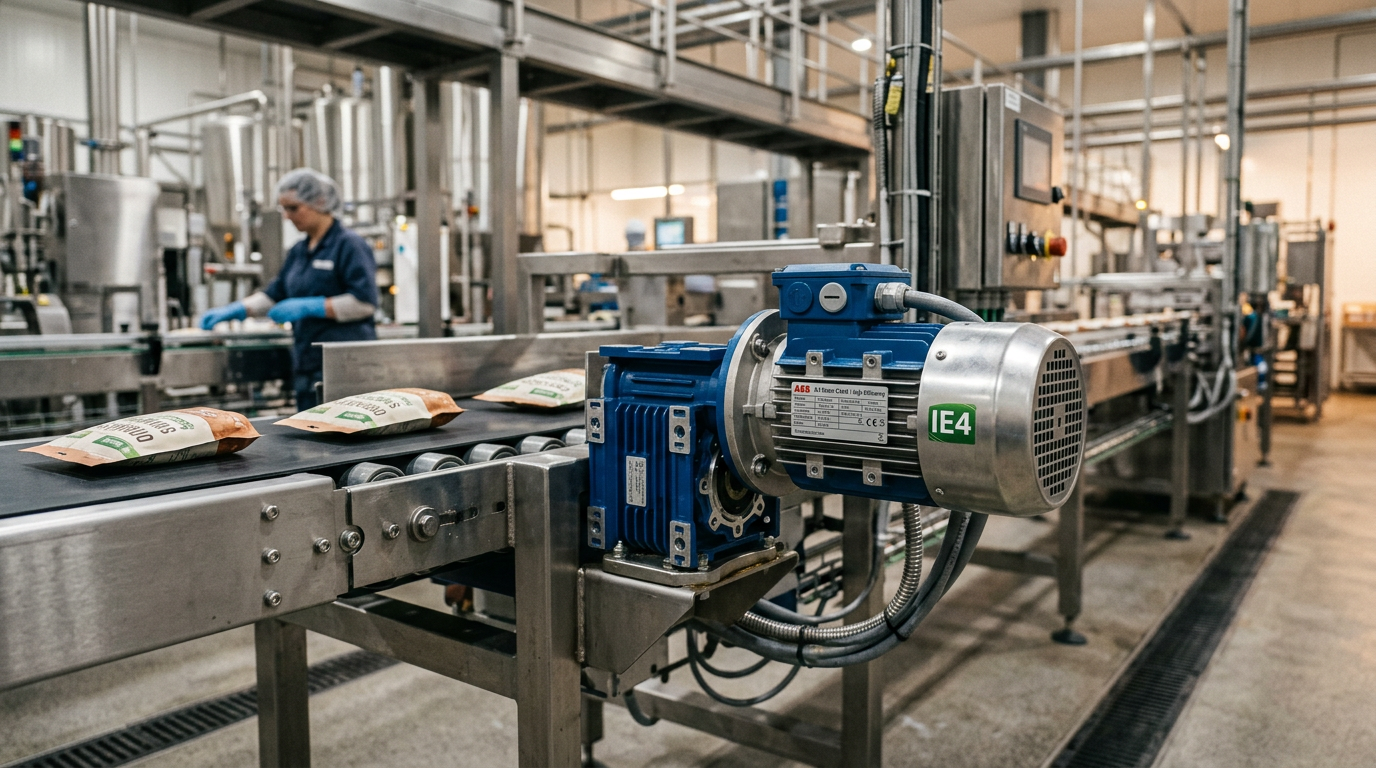
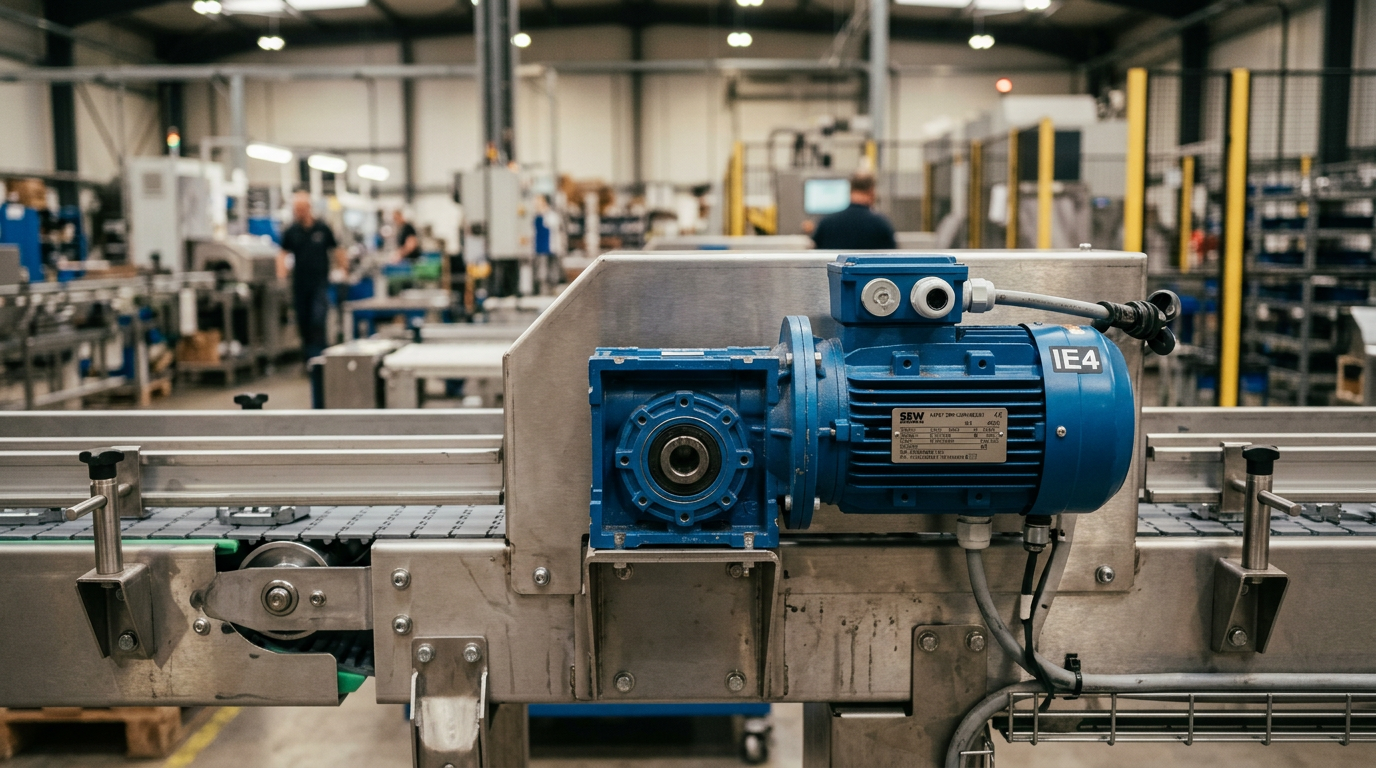
Upgrading conveyor drive systems to IE3 and IE4 efficiency classes can reduce electrical energy consumption by 15% to 30% compared to traditional IE1 installations, particularly in high-duty cycle applications such as 24/7 e-commerce fulfillment or continuous food processing. Under the IEC 60034-30-1 standard, IE3 (Premium Efficiency) and IE4 (Super Premium Efficiency) motors utilize superior laminations, high-copper slot fill, and optimized cooling fans to minimize the four primary loss components: stator resistance, rotor resistance, core losses, and friction/windage.
The Regulatory Landscape for Conveyor Efficiency
Industrial motor systems account for approximately 70% of the total electricity consumed by the manufacturing sector. To combat this footprint, the European Union (Regulation 2019/1781) and North American authorities (NEMA MG 1) have progressively tightened efficiency requirements. As of 2023, most three-phase motors between 0.75 kW and 1000 kW must meet at least the IE3 standard, with IE4 requirements becoming mandatory for mid-range power outputs.
In the context of material handling, the shift toward IE4 permanent magnet motors (PMM) or synchronous reluctance motors (SynRM) is no longer just a matter of compliance; it is a critical strategy for reducing the Total Cost of Ownership (TCO). While the initial purchase price of an IE4 motor may be 20-40% higher than an IE3 equivalent, the energy savings typically yield a Return on Investment (ROI) within 12 to 24 months in multi-shift operations.
IE3 vs. IE4: Technical Comparisons
Designing a modular conveyor system requires a deep understanding of how motor efficiency interacts with load profiles. While IE3 motors are typically asynchronous squirrel-cage induction motors, many IE4 and upcoming IE5 motors utilize synchronous technologies.
| Specification | IE2 (High) | IE3 (Premium) | IE4 (Super Premium) |
|---|---|---|---|
| Efficiency (at 1.1 kW, 4-pole) | ~81.4% | ~84.1% | ~87.2% |
| Technology Type | Induction | Induction / PMM | PMM / SynRM |
| Heat Dissipation | High | Moderate | Low |
| VFD Dependency | Optional | Recommended | Required (for PMM) |
| Relative Lifecycle Cost | 100% | 85% | 75% |
Loss Reduction Mechanisms
To achieve IE4 status, manufacturers focus on reducing I²R losses. This is achieved by increasing the volume of copper in the stator windings and using high-grade magnetic steel in the laminations to reduce hysteresis and eddy current losses. For conveyor applications, this lower heat generation is a secondary benefit: cooler motors last longer, require less frequent lubrication of bearings, and place less thermal stress on adjacent components like modular plastic belts or sensitive electronic sensors.
Integration in Modular Systems
When integrating high-efficiency drives into a modular conveyor system, engineers must consider the "System Efficiency" rather than the motor efficiency alone. A motor with 90% efficiency paired with a low-efficiency worm gearbox (approx. 60-70%) results in a poor overall system rating.
European specialist Easy Conveyors emphasizes the use of helical-bevel gearboxes or direct-drive drum motors to ensure the gains of an IE3 or IE4 motor are not lost to mechanical friction. For instance, replacing a traditional AC induction motor and worm gear with an IE4 permanent magnet motor and a planetary gearbox can improve total drivetrain efficiency by more than 25%.
Sizing and VFD Selection
Selecting the right drive involves more than just matching the horsepower. Over-sizing a motor is a common mistake in conveyor design; induction motors (IE3) typically reach peak efficiency at 75-80% of their rated load. If a motor is oversized and runs at 25% load, its efficiency drops significantly.
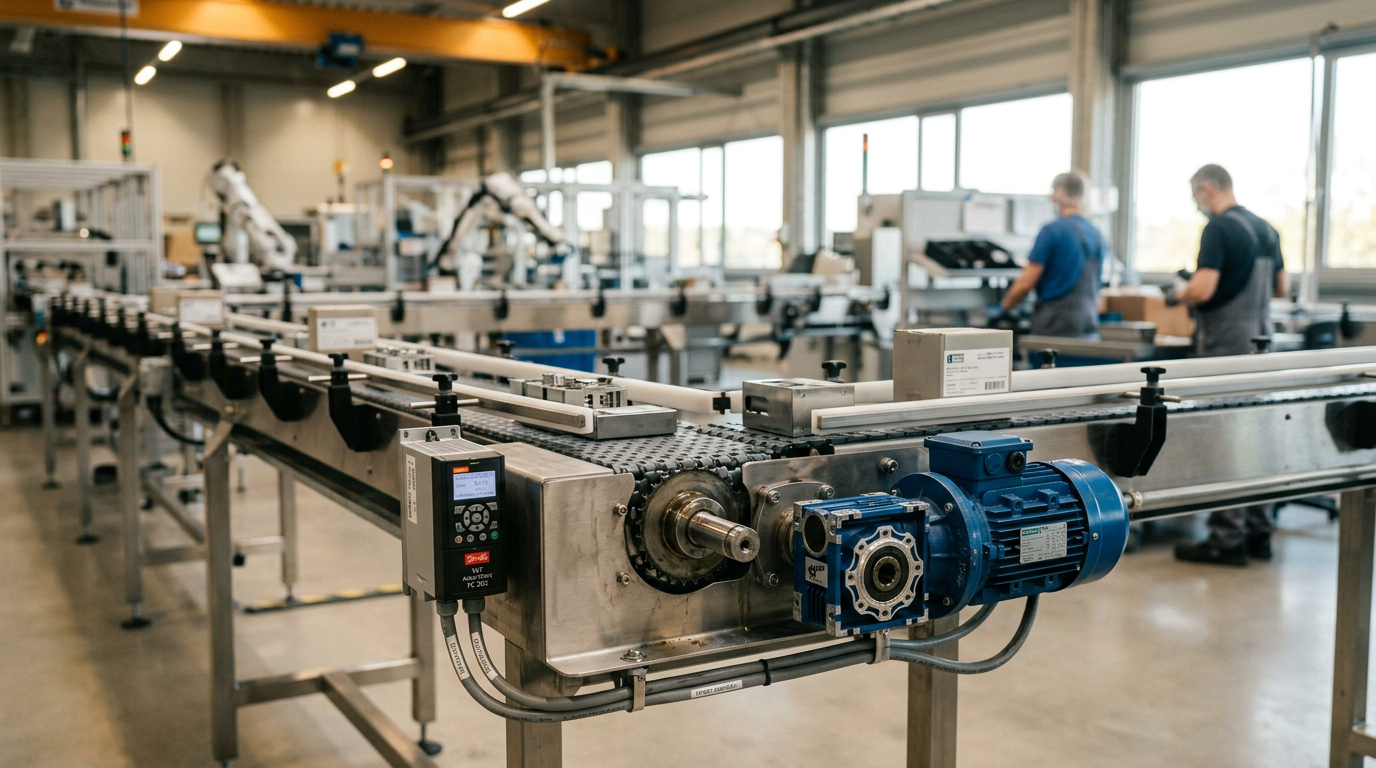
Furthermore, IE4 permanent magnet motors require a Variable Frequency Drive (VFD) with appropriate control algorithms to operate. Modern "VFD soft-start tuning" is essential to avoid mechanical shock during startup, which preserves the integrity of the conveyor's links and pins. By utilizing VFDs, plants can also implement "on-demand" conveying, where the motor speed is slowed or stopped during gaps in product flow, further compounding energy savings.
Easy Conveyors stocks the conveyor components discussed here — ready to ship across Europe.
Thermal Management and Longevity
One of the most overlooked advantages of IE4 motors is their thermal profile. Because they are more efficient, they convert more electrical energy into mechanical work and less into waste heat. In food processing environments, such as "hygienic wash-down design" lines, external heat can harbor bacterial growth or affect the shelf life of temperature-sensitive products.
Lower operating temperatures also extend the life of the motor insulation. According to the Arrhenius equation applied to motor insulation, every 10°C reduction in operating temperature potentially doubles the insulation's life. This reliability is paramount in "automatic sortation systems" where a single drive failure can halt an entire distribution center.
IE3 and IE4 in Washdown Environments
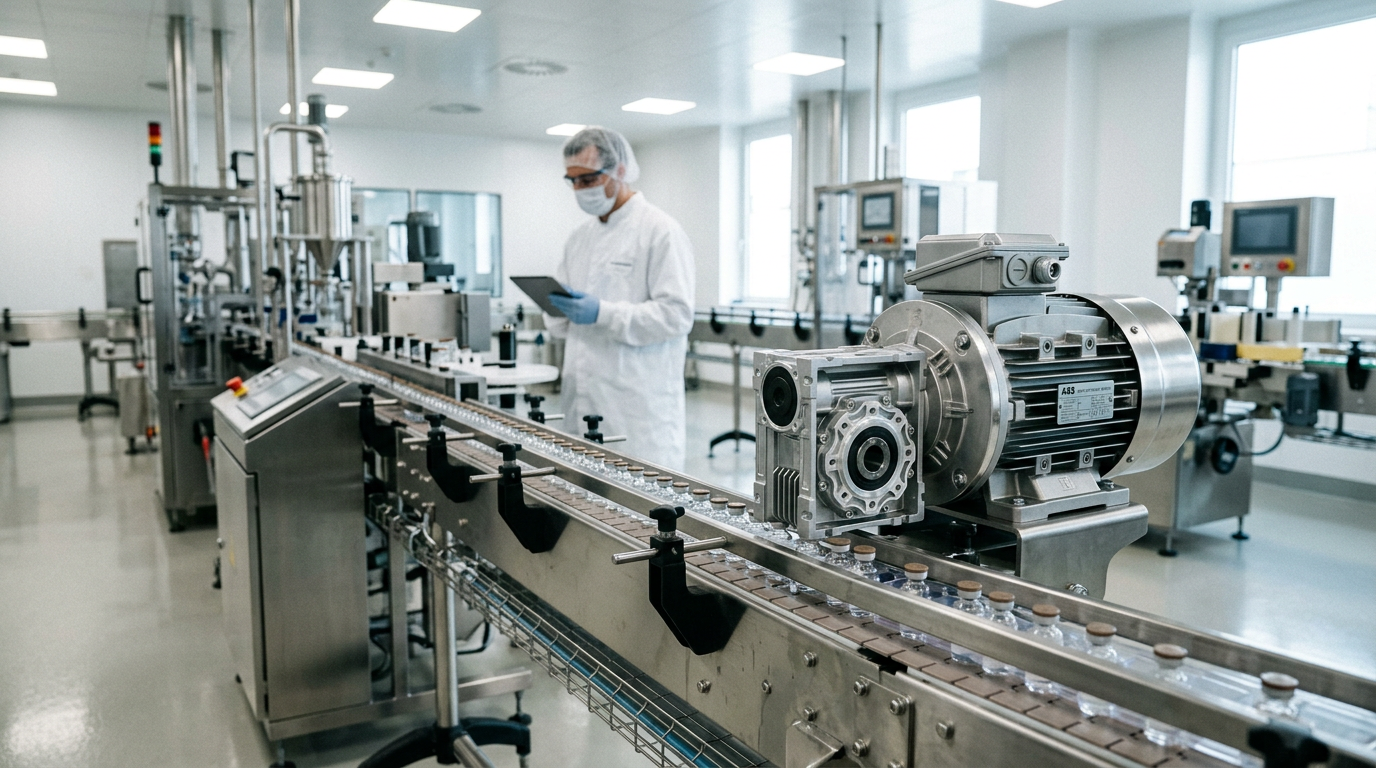
For industries like pharmaceuticals or meat processing, the choice between IE3 and IE4 often intersects with the need for high IP ratings. Stainless steel IE4 motors are now widely available, offering IP69K protection against high-pressure, high-temperature cleaning.
While stainless steel has lower thermal conductivity than aluminum, the high efficiency of IE4 designs compensates for this, allowing the motors to run without external cooling fins (which are "dirt traps" in hygienic settings). This synergy between motor efficiency and "drum motor selection" criteria allows for a sleek, TENV (Totally Enclosed Non-Ventilated) design that meets both ESG energy goals and strict FDA food safety standards.
Future-Proofing: Moving Toward IE5 and Beyond
As energy costs fluctuate and carbon taxes become more prevalent in the UK and EU, the transition to the IE5 (Ultra-Premium) class is already underway. These drives typically utilize specialized synchronous reluctance technology that eliminates the need for rare-earth magnets, making them a more sustainable choice for large-scale "industrial automation rollout" projects.
To maximize the benefits of these drives, facility managers should conduct a baseline energy audit. By replacing older IE1 and IE2 motors during scheduled maintenance cycles—rather than waiting for a catastrophic failure—operations can transition to a more efficient infrastructure with minimal downtime.
Conclusion
Adopting IE3 and IE4 motors is the most effective way to reduce the operational carbon footprint of a conveyor system. By focusing on the combination of high-efficiency motor technology, optimized gearboxes, and intelligent VFD control, manufacturers can achieve significant energy savings while improving the reliability and precision of their material handling operations. Drives are no longer just components; they are the heart of a sustainable automation strategy.
Frequently Asked Questions
What is the main difference between IE3 and IE4 motors?
IE3 (Premium Efficiency) is the current global baseline for most industrial motors. IE4 (Super Premium Efficiency) offers approximately 3-4% higher efficiency than IE3, often using advanced permanent magnet or synchronous reluctance technology.
What is the typical ROI for an IE4 motor upgrade?
In a typical 3-shift operation (8,000+ hours/year), the energy savings from an IE4 motor usually cover the price premium over an IE3 motor within 12 to 24 months.
Do I need a VFD to run an IE4 motor?
Yes, while IE3 induction motors can often run directly online (DOL), most IE4 motors (especially Permanent Magnet and SynRM types) require a Variable Frequency Drive (VFD) for operation and startup.
How does over-sizing a motor affect its efficiency?
Over-sizing leads to motors running at a lower percentage of their rated load, where efficiency drops sharply. IE3/IE4 motors are most efficient when loaded between 75-100%.
Can IE4 efficiency be achieved in drum motors?
Yes, IE4 technology is highly beneficial for drum motors because the reduced internal heat generation allows for higher power density within the limited, enclosed space of the drum.