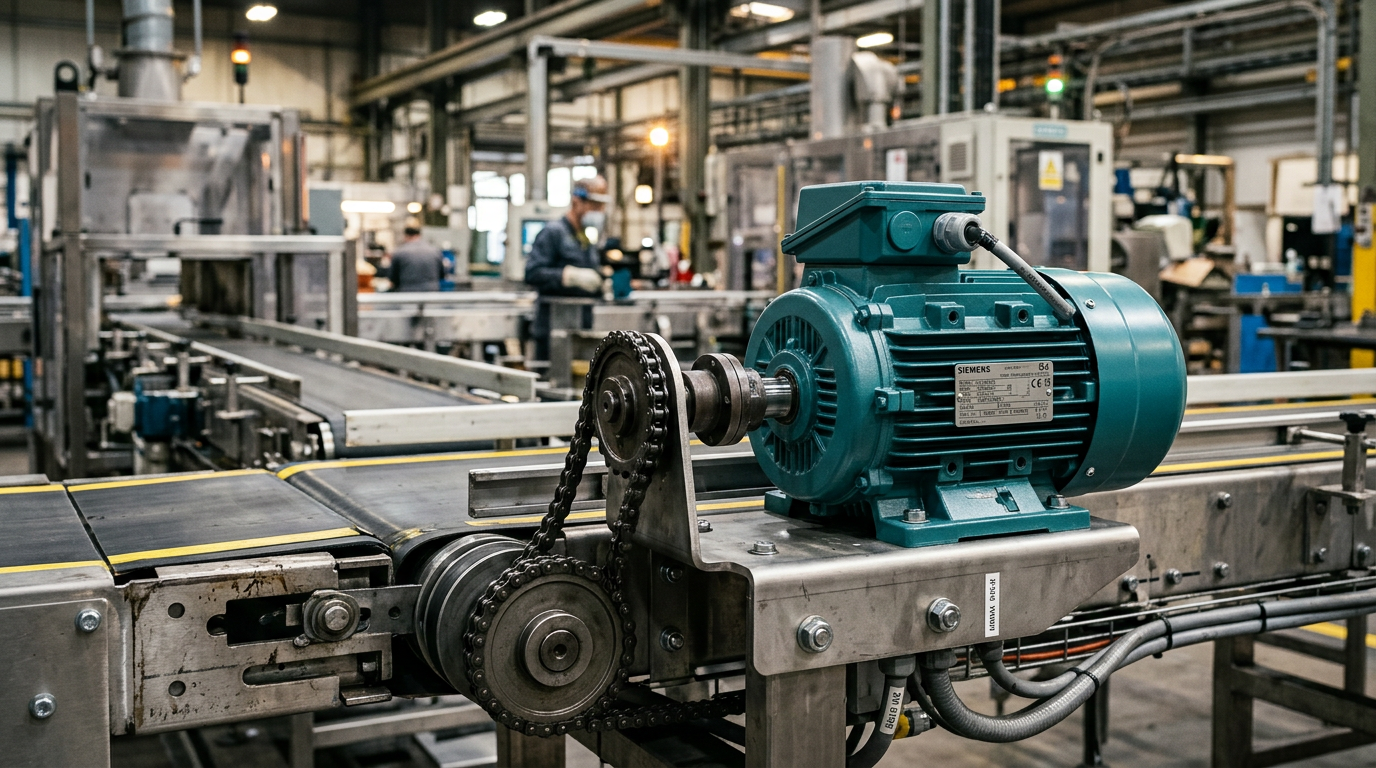
Maximizing Efficiency: IE3 and IE4 Motors on Conveyor Drives
Switching to IE3 and IE4 motors on conveyor drives can reduce energy consumption by up to 25%. Learn about the standards, ROI, and technical advantages of super-premium efficiency.

Upgrading to IE3 and IE4 motors on conveyor drives typically reduces electrical power consumption by 15% to 25% compared to legacy IE1 or IE2 installations, with permanent magnet motors in the IE4 class achieving up to 96% efficiency. According to the IEC 60034-30-1 standard, these efficiency gains are critical for high-duty cycle industrial applications where electricity accounts for over 95% of a motor's total lifecycle cost.
Key Takeaways:
- IE4 motors reduce energy losses by 15-20% compared to IE3, often paying for themselves in less than 24 months in 24/7 operations.
- The ECO-design Directive (EU 2019/1781) mandates IE3 or higher for most motors from 0.75kW to 1000kW.
- IE4 Permanent Magnet (PM) motors maintain high efficiency even at partial loads, unlike traditional induction motors.
The Shift to IE3 and IE4 Efficiency Standards
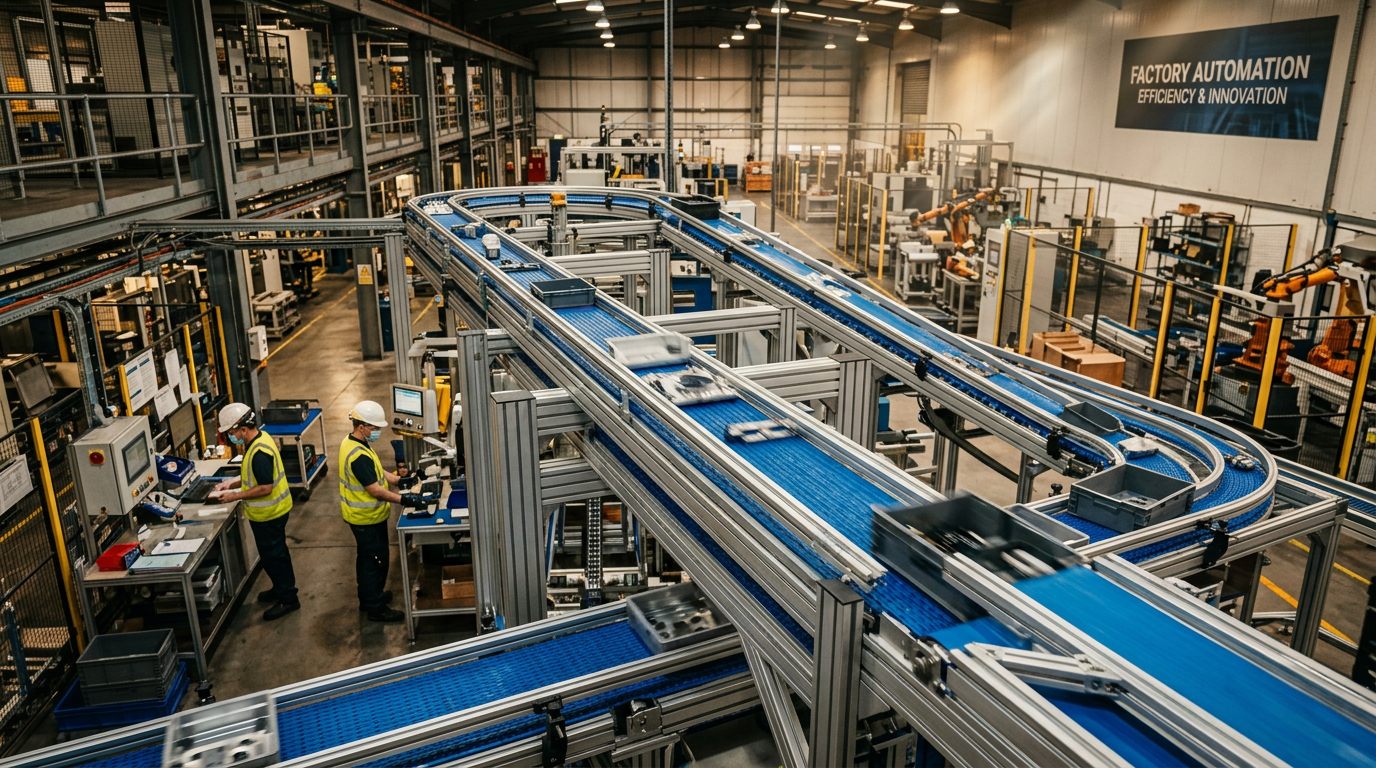
The global push for industrial sustainability has turned the focus toward the "prime movers" of the factory floor: the electric motor. In material handling environments, where hundreds of conveyor sections may run simultaneously, the cumulative energy waste of inefficient motors is staggering. The International Electrotechnical Commission (IEC) defines efficiency classes ranging from IE1 (Standard) to IE4 (Super-Premium).
In Europe, legislation such as the ECO-design Directive has effectively phased out IE1 and IE2 motors for many power ranges. As of July 2023, the EU mandates that motors between 75kW and 200kW must hit the IE4 threshold. While many conveyor drives operate in the 0.37kW to 7.5kW range, the trend toward IE3 and IE4 adoption in these smaller sizes is driven by corporate ESG goals and rising energy costs.
IE3 vs. IE4: Technical Distinctions
IE3 motors are generally premium squirrel-cage induction motors. IE4 efficiency typically requires more advanced designs, such as Permanent Magnet (PM) synchronous motors or Synchronous Reluctance (SynRM) technology.
| Feature | IE2 (High) | IE3 (Premium) | IE4 (Super Premium) |
|---|---|---|---|
| Efficiency (at 1.1kW) | ~81.4% | ~84.1% | ~87.2% |
| Technology | Squirrel Cage | Squirrel Cage / Copper Rotor | PM Synchronous / SynRM |
| Thermal Performance | Standard | Reduced Heat Output | Cool Operation |
| Partial Load Performance | Droops significantly | Stable | Excellent |
| VFD Dependency | Optional | Recommended | Required (for PM motors) |
Energy Efficiency in Conveyor Applications
Conveyors are unique because they often operate under varying loads. An empty belt consumes significant energy just to overcome system friction, while a fully loaded belt requires torque for acceleration and elevation. Easy Conveyors emphasizes the importance of matching the motor's efficiency curve to the actual duty cycle of the line.
Partial Load Efficiency
One of the most significant advantages of IE4 PM motors in material handling is their ability to maintain high efficiency at lower speeds and partial loads. A standard induction motor's efficiency drops off sharply when it is not running at its rated load. Since conveyors in e-commerce or packaging often run at 50% capacity, an IE4 motor provides disproportionate savings.
Heat Reduction and Component Longevity
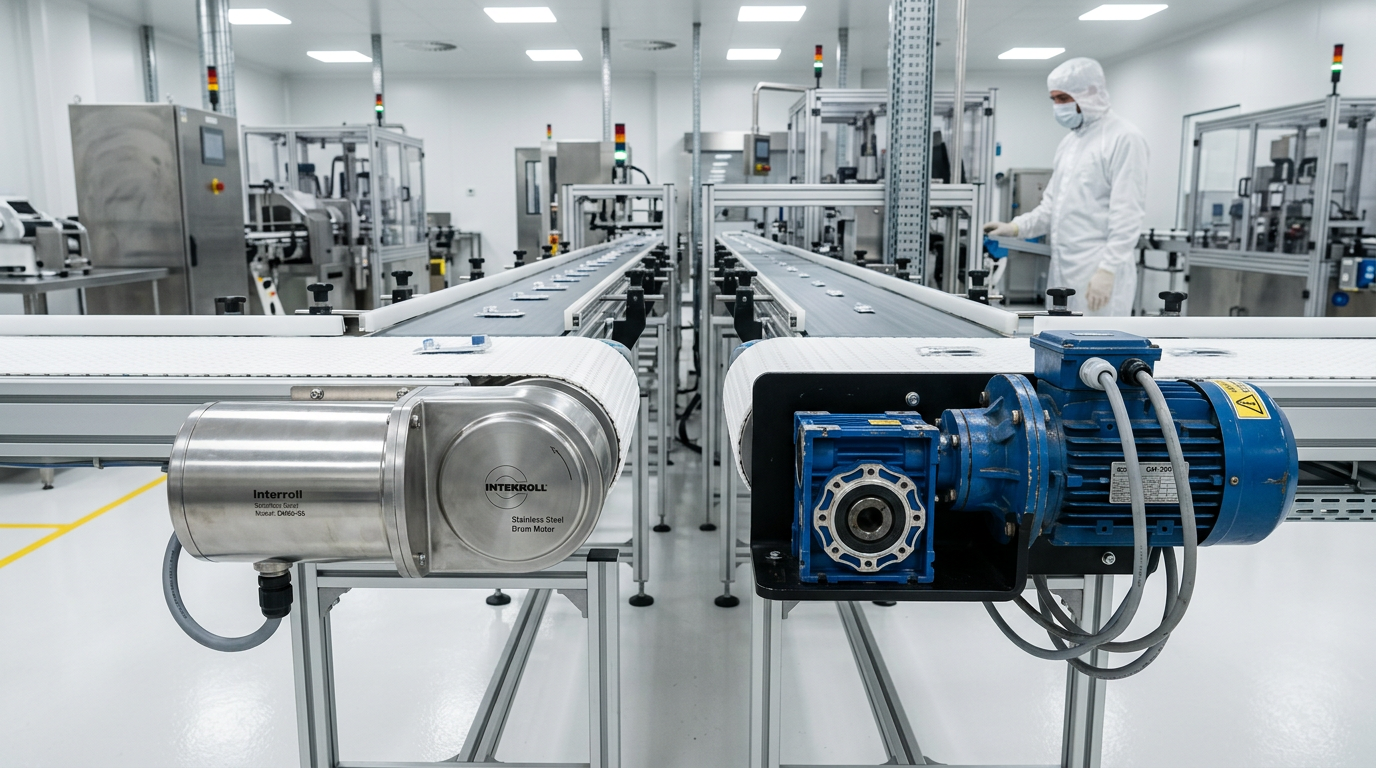
Higher efficiency means less energy is wasted as heat. In food and beverage or pharmaceutical cleanrooms, reducing the heat signature of drive units is vital. Cooler-running IE3 and IE4 motors reduce the strain on internal lubricants and bearings, extending the Mean Time Between Failures (MTBF). This synergizes well with hygienic wash-down design principles, as excessive heat can degrade seals in wash-down environments.
Integration with VFDs and Automation
While an IE3 motor can be started "across the line" (Direct-on-Line), the greatest savings are realized when paired with a Variable Frequency Drive (VFD). Most IE4 PM motors require a VFD to operate because they must be electronically commutated.
- VFD Soft-Start Tuning: By using a VFD to ramp up speed, you eliminate peak current demands during start-up. This reduces mechanical stress on modular belts and chains.
- Dynamic Speed Control: Sensors can detect when a conveyor is empty and signal the VFD to slow down the IE4 motor, maximizing the "affinity laws" of power consumption.
- Decentralized Drives: Modern automation architectures often move the VFD from the central cabinet directly onto the motor. These decentralized IE4 units reduce cabling costs and electromagnetic interference (EMI).
Technicians should also consider the "total drive train" efficiency. Improving the motor to IE4 is helpful, but if the gearbox is an inefficient worm gear, energy is still being lost. Pairing IE4 motors with helical or bevel-geared units is the industry standard for high-performance modular systems.
Easy Conveyors stocks the conveyor components discussed here — ready to ship across Europe.
ROI and Lifecycle Assessment
The initial purchase price of an IE4 motor can be 30% to 50% higher than an IE3 equivalent. However, the Total Cost of Ownership (TCO) calculation almost always favors the higher efficiency class for conveyors running more than 12 hours a day.
When calculating ROI, engineers must factor in:
- Energy Savings: kWh saved per year × local electricity rate.
- Maintenance Savings: Longer bearing life and reduced thermal stress.
- CO2 Reduction: Useful for meeting corporate sustainability reporting requirements (CSRD in Europe).
- Grid Stability: Higher efficiency motors often have a better power factor, reducing reactive power charges from utilities.
For those selecting components for a new facility, it is essential to look at the motor efficiency in tandem with other modular parts. For example, selecting the right drum motor selection strategy can further optimize the footprint and energy profile of the system.
Common Pitfalls in Motor Upgrades
When retrofitting IE4 motors into existing conveyor frameworks, several technical hurdles can arise:
- Frame Size: Some IE3/IE4 motors have larger "active parts" (more copper and steel), which can lead to a larger frame size (e.g., jumping from an 80-frame to 90-frame).
- Inertia Matching: Low-inertia PM motors may require recalibrating PID loops in the VFD to prevent belt surging.
- Serviceability: Unlike standard AC induction motors, PM motors have strong magnetic fields. Specialized safety protocols are required during disassembly to prevent injury or damage to sensitive electronic equipment.
For complex sortation systems, integrating VFD soft-start tuning is not just an energy-saving measure; it is a mechanical necessity to prevent the high-torque IE4 motors from snapping belt links or damaging fragile product loads.
Conclusion
The transition from IE1/IE2 to IE3 and IE4 standards represents the single most effective way to lower the operating costs of a modular conveyor system. While the regulatory landscape (EU 2019/1781) provides the push, the technical benefits—reduced heat, better partial-load performance, and longer component life—provide a compelling pull for manufacturing and logistics leaders. As energy prices remain volatile, the "Super-Premium" efficiency of IE4 motors is no longer a luxury; it is a foundational requirement for modern automation.
Frequently Asked Questions
What is the difference between IE3 and IE4 motor standards?
IE3 is 'Premium Efficiency' (typically 84-90%), while IE4 is 'Super-Premium Efficiency' (typically 87-94%). IE4 motors reduce losses by about 15% compared to IE3 and often utilize permanent magnet technology.
Do I need a VFD to run an IE4 motor?
Yes, most IE4 motors are Permanent Magnet (PM) or Synchronous Reluctance (SynRM) designs that require a VFD to synchronize the magnetic fields for starting and operation.
What is the average ROI for an IE4 motor upgrade?
For a conveyor running two shifts (16 hours/day), the ROI for an IE4 motor typically ranges between 12 and 24 months, depending on local energy costs and the efficiency of the motor it replaces.
Which industrial standard governs motor efficiency?
Efficiency classes are defined by the IEC 60034-30-1 standard, which sets global benchmarks for motor energy performance across different power ratings and pole counts.
How do IE3/IE4 motors affect maintenance costs?
High-efficiency motors generate less internal heat, which extends the life of bearing grease and winding insulation, leading to longer service intervals and fewer unexpected failures.
Sources & references
- [1]IEC 60034-30-1 Efficiency classes of line-operated AC motors
- [2]Energy-efficient electric motors: The new Ecodesign Regulation for electric motors and variable speed drives
- [3]IE4 Permanent Magnet Motor Technology
- [4]Technical Guidelines for Hygienic Design
- [5]Motor Efficiency and Energy Savings Guide