Optimizing Power: High-Efficiency IE3 and IE4 Motors for Conveyor Drives
Discover how upgrading to IE3 and IE4 efficiency motors on conveyor drives reduces energy loss by 30-45%, lowers heat dissipation, and improves industrial TCO.
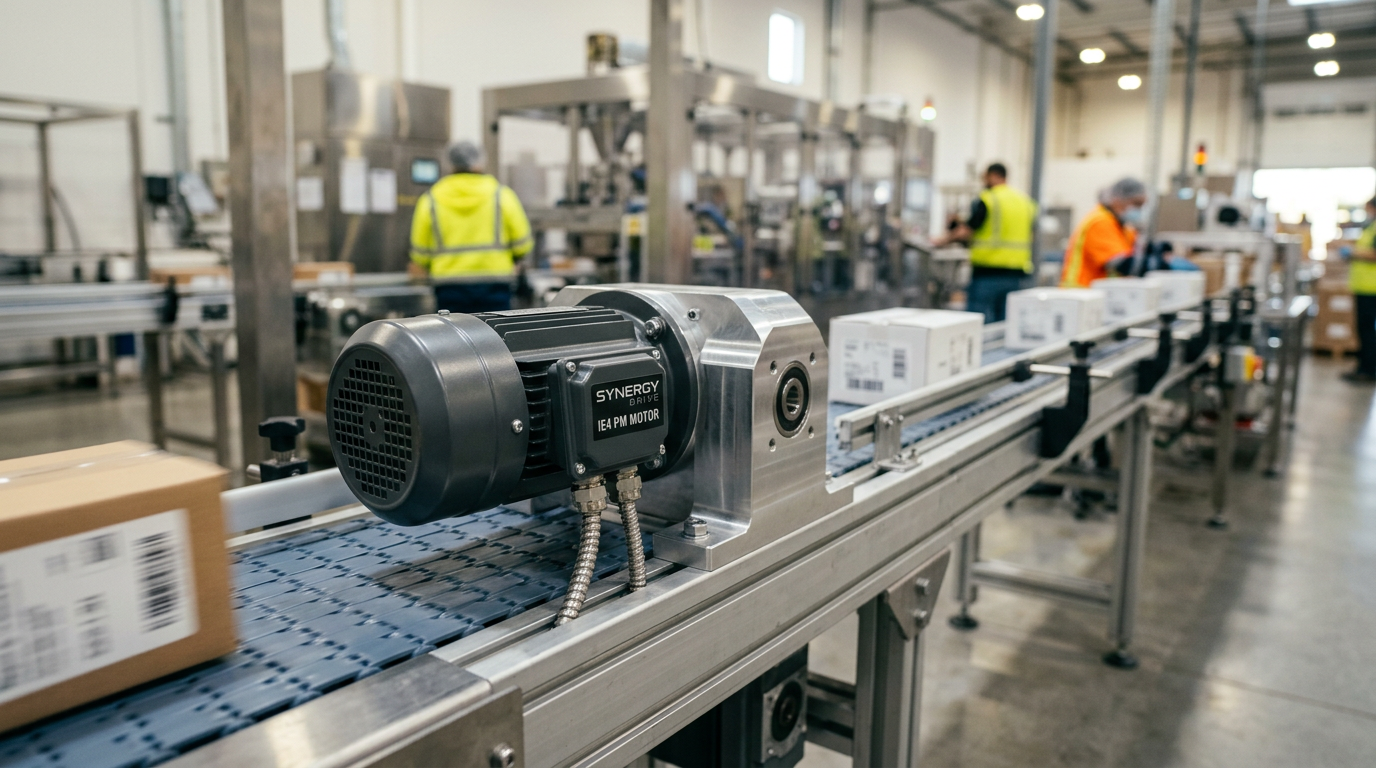
Optimizing conveyor drive systems with IE3 and IE4 motors can reduce electrical energy consumption by up to 15% compared to older IE1 units, primarily by minimizing heat dissipation and electromagnetic losses during continuous operation. In the European Union, the Ecodesign Regulation (EU) 2019/1781 mandates a minimum rating of IE3 for motors between 0.75 kW and 1000 kW, while IE4 levels are now the standard for high-duty-cycle applications where total cost of ownership (TCO) outweighs initial capital expenditure.
The Shift to High-Efficiency Standards: IE3 vs. IE4
The International Electrotechnical Commission (IEC) defines efficiency classes for single-speed, three-phase, cage-induction motors under the IEC 60034-30-1 standard. As industrial electricity prices fluctuate and sustainability mandates tighten, the distinction between IE3 (Premium Efficiency) and IE4 (Super Premium Efficiency) has become a critical design decision for material handling systems.
While a 1% to 3% difference in nominal efficiency between IE3 and IE4 might seem negligible, the cumulative impact over a conveyor’s 10-year lifecycle is significant. For a motor running 6,000 hours per year, the energy savings often result in a Return on Investment (ROI) of less than 24 months.
Comparative Efficiency Performance
The following table illustrates the performance gap between efficiency classes for a standard 4-pole motor operating at 50Hz.
| Motor Class | Rating | Efficiency (7.5 kW) | Heat Loss Reduction | Standards Compliance |
|---|---|---|---|---|
| IE1 | Standard | ~86.0% | Baseline | Obsolete (EU/USA) |
| IE2 | High | ~88.1% | ~15% | Restricted |
| IE3 | Premium | ~90.4% | ~30% | NEMA Premium Equivalent |
| IE4 | Super Premium | ~92.6% | ~45% | Future-proof / Sustainable |
Technical Drivers of Energy Savings in Conveyor Systems
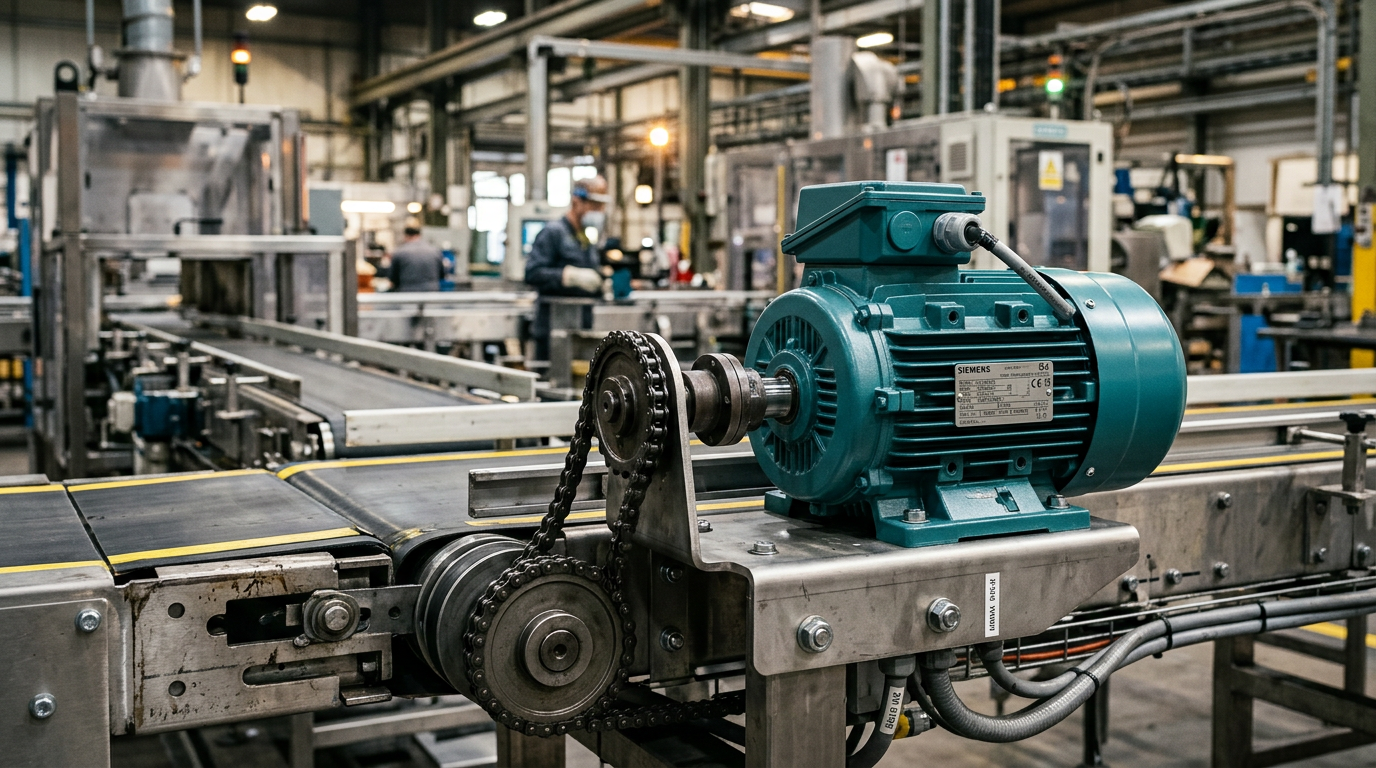
Energy loss in conveyor drives occurs through several channels: stator resistance (copper loss), rotor resistance, magnetic friction (iron loss), and mechanical friction (windage). High-efficiency motors like those from SEW-Eurodrive utilize superior grade laminations and high-fill factors in the copper windings to mitigate these losses.
Managing Inrush Current and Torque
A common challenge when upgrading to IE3 or IE4 motors is the higher inrush current. Because these motors have lower internal resistance, the starting current can be significantly higher than that of an IE1 motor. This requires careful coordination with protection devices and often necessitates the use of a Variable Frequency Drive (VFD) or a soft-start unit.
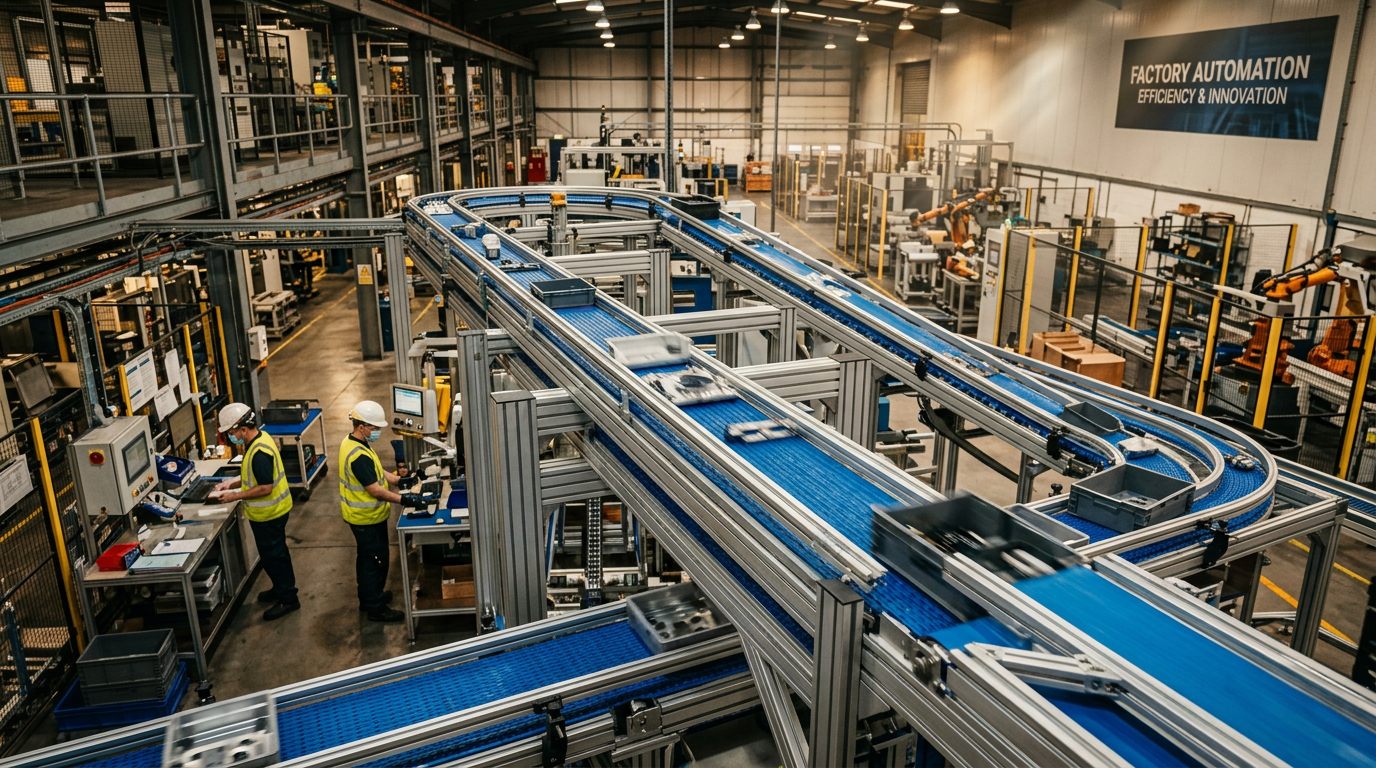
When integrating these motors into modular systems, specialists like Easy Conveyors advise that the increased torque density of IE4 motors allows for more compact drive assemblies. This is particularly beneficial in multi-lane sortation lines where space is at a premium and heat dissipation needs to be minimized to protect sensitive cargo like pharmaceuticals or electronics.
Sizing and Selection for Conveyor Duty Cycles
Over-sizing is the "silent killer" of conveyor efficiency. An IE4 motor operating at 40% load is often less efficient than a smaller IE3 motor operating at 80% load.
- Continuous Duty (S1): For conveyors running 24/7, such as airport baggage handling or large e-commerce hubs, the transition to IE4 is non-negotiable from a TCO perspective.
- Intermittent Duty (S3): For conveyors that stop and start frequently, the inertia of the rotor becomes more important than the nominal efficiency. In these cases, permanent magnet synchronous motors (PMSM), which often meet IE4 or even IE5 levels, are preferred due to their low rotor mass.
- Partial Load Performance: IE4 motors generally maintain higher efficiency across a broader load range (50% to 100%) compared to IE3 motors, making them more resilient to fluctuations in product throughput.
Easy Conveyors stocks the conveyor components discussed here — ready to ship across Europe.
Integration with Automation and VFDs
The true power of an IE4 motor is unlocked when paired with modern "VFD soft-start tuning." By using a drive, the motor can be operated at the exact speed required for the process, rather than running at synchronous speed and using mechanical brakes or gates to control flow.
Furthermore, these motors provide better data for "predictive maintenance monitoring." Because high-efficiency motors run cooler (often 10°C to 15°C cooler than IE2 motors), any slight rise in temperature or vibration is a highly reliable indicator of mechanical wear, such as "conveyor belt tracking" issues or bearing failure.
Environmental and Regulatory Compliance
Across the European Economic Area, the CEN (European Committee for Standardization) and the European Commission have driven the adoption of these standards to meet carbon neutrality goals. Beyond electricity costs, many regions offer tax incentives or grants for upgrading to IE4 drive technology.
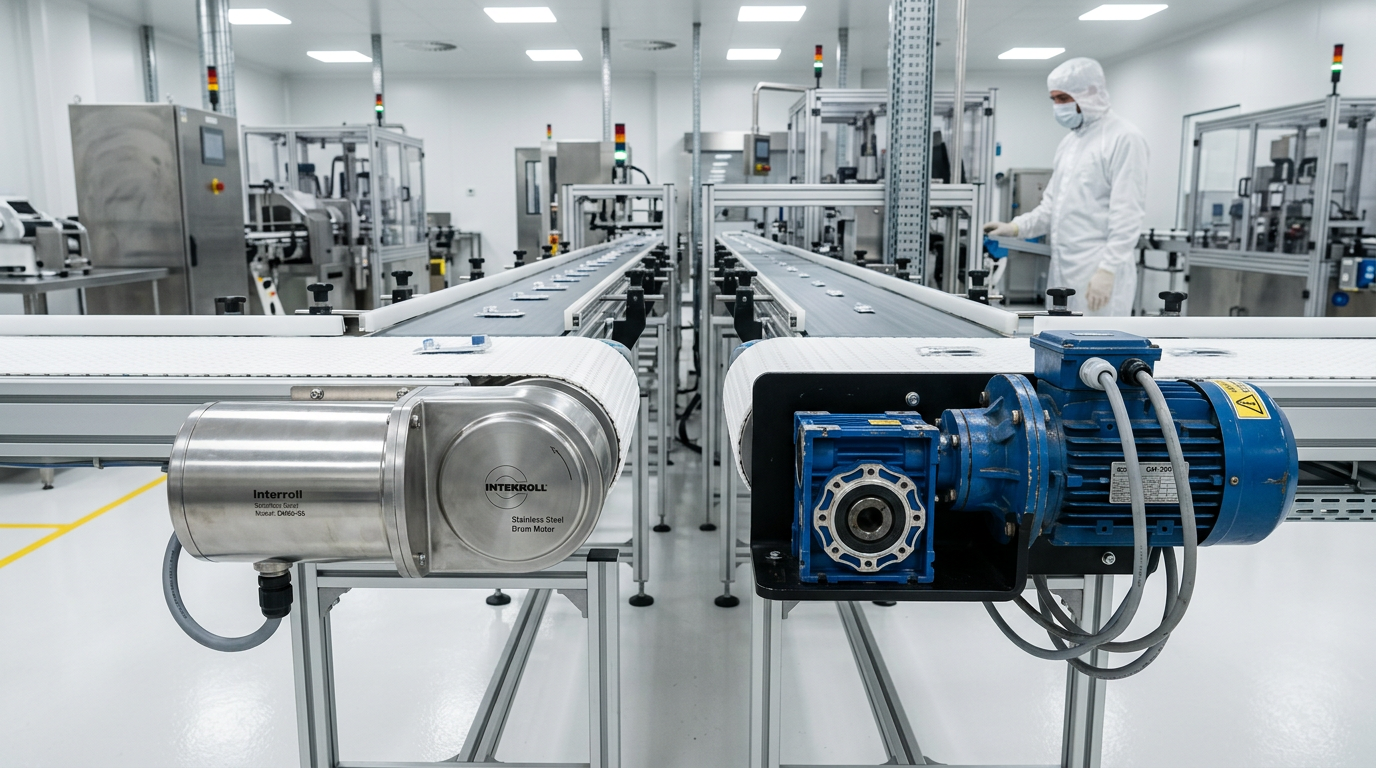
In the food and beverage sector, where hygienic wash-down design is a priority, IE3 and IE4 motors are frequently housed in stainless steel or smooth-surface enclosures. This combination addresses both the EHEDG guidelines for cleanliness and the regulatory requirements for energy efficiency.
Conclusion: Value Beyond the Nameplate
Selecting between IE3 and IE4 is not merely a matter of checking a box for compliance. It is a strategic decision involving thermal management, mechanical stress, and long-term operational costs. While IE3 remains the robust workhorse for many standard applications, IE4 is rapidly becoming the benchmark for high-performance automation cells and mission-critical logistics hubs where every watt of heat dissipated is a watt of wasted profit. Conveyor systems equipped with these drives contribute significantly to a facility's overall Power Usage Effectiveness (PUE) and operational resilience.
Frequently Asked Questions
Can I replace an old IE1 motor with an IE4 motor without changing my control panel?
IE3 motors generally produce less heat and have higher torque density, but they may also have higher inrush currents that require updated fuse or VFD settings.
What is the typical ROI for upgrading to IE4 motors?
The ROI for IE4 motors in continuous 24/7 operations is typically between 12 and 24 months, depending on local electricity rates and motor size.
How do IE4 motors differ physically from IE3 motors?
IE4 motors utilize superior materials (thinner laminations, more copper) and optimized rotor designs (often Permanent Magnet) to minimize internal losses compared to standard induction motors.
Are IE3 motors mandatory in Europe for conveyor applications?
Yes, EU 2019/1781 mandates IE3 for most motors until July 2023, where IE4 became mandatory for certain power ranges (75kW to 200kW). Requirements continue to tighten.