Side Guides, Transfer Plates, and End Rollers Explained for Industrial Systems
Master the essentials of side guides, transfer plates, and end rollers to reduce product loss and improve conveyor efficiency in automated production lines.
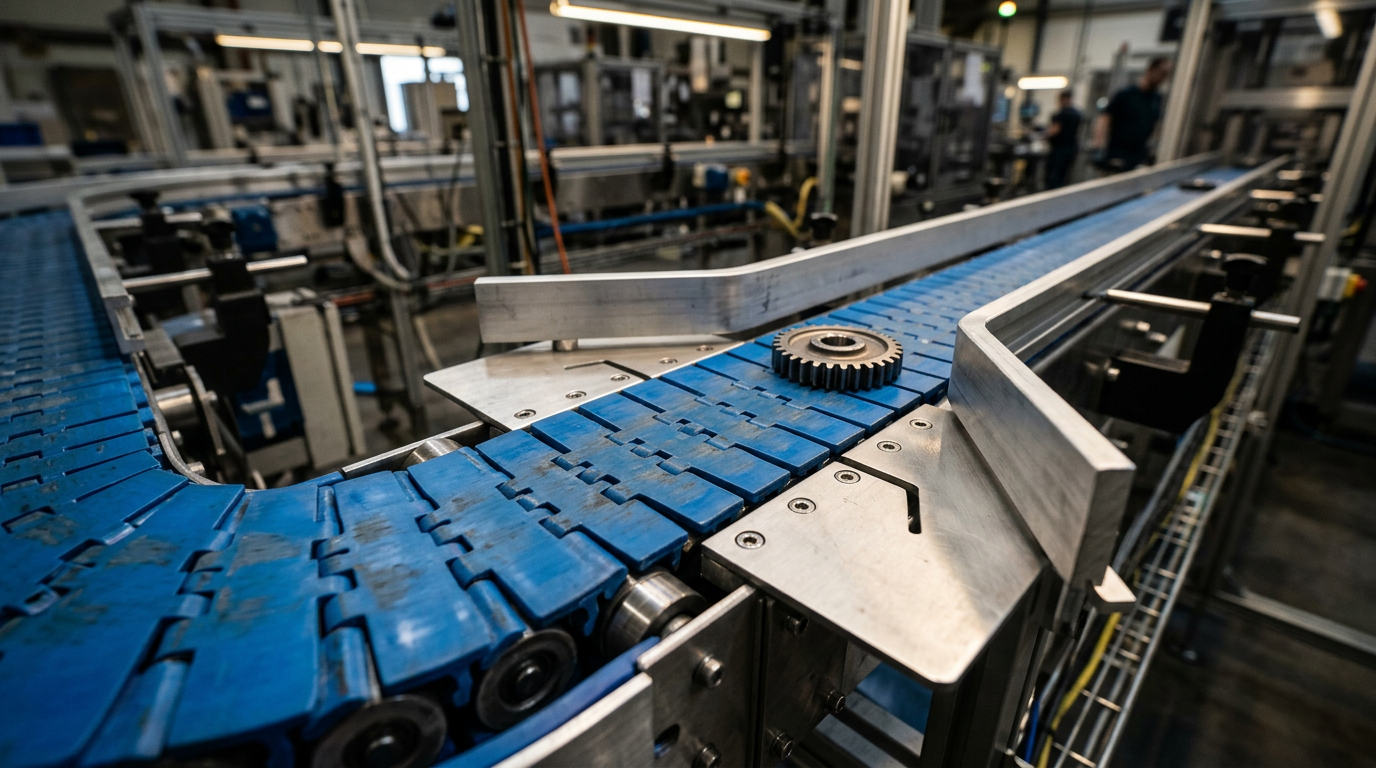
The seamless movement of products between conveyor stages depends on a three-way interaction between side guides, transfer plates, and end rollers, which collectively reduce product loss by up to 15% in high-speed sortation environments. While the primary belt system handles the bulk of material transport, these critical interface components ensure lateral stability, smooth transitions across gaps, and minimal friction at the discharge point, directly impacting OEE (Overall Equipment Effectiveness) in automated production lines.
Key takeaways
- Precision-engineered transfer plates reduce product "dead zones" to under 15mm, critical for preventing small-item accumulation and fires.
- Side guides using UHMW-PE liners offer a coefficient of friction below 0.20, significantly reducing motor drag and belt wear.
- Small-diameter end rollers (dead plates or nose bars) allow for tight product transfers, supporting gaps as narrow as 3mm for lightweight items.
The Role of Side Guides in Lateral Stability
Side guides, often referred to as guard rails, are the primary mechanism for keeping products centered on the conveyor. Beyond simple containment, modern side guides are designed to minimize the drag experienced by the conveyor motor. In high-speed packaging lines, the choice of material for the guide rail is critical.
Standard industrial guides typically feature an aluminum or stainless steel profile with a plastic insert. The most common insert material is UHMW-PE (Ultra-High Molecular Weight Polyethylene), valued for its high abrasion resistance and low friction. When designing for the food industry, engineers must ensure these guides meet EHEDG or FDA standards, often utilizing "open" designs that prevent bacterial growth in crevices.
Adjusted vs. Fixed Side Guides
- Fixed Guides: Best for dedicated lines with a single product size. They offer the highest structural rigidity but no flexibility.
- Manually Adjustable Guides: Controlled via hand wheels or clamp handles. These are the industry standard for lines with multiple SKU sizes, allowing for quick changeovers.
- Automated Side Guides: Driven by small actuators or pneumatic cylinders, these guides integrate with the PLC to automatically adjust widths based on the production recipe selected on the HMI.
Bridging the Gap: Transfer Plates
A transfer plate (or "bridge") is the stationary component that fills the void between two conveyor sections or between a conveyor and a machine entry point. Without a correctly specified transfer plate, small products can tip, "stall" in the gap, or become crushed.
For high-speed applications, transfer plates are often made of stainless steel or high-density polymers. The design must account for the "nose" profile of the belt. If the gap is too large, it creates a "dead zone" where products can accumulate. This is particularly dangerous in food processing, where trapped organic material can lead to contamination, or in e-commerce, where small parcels may become wedged and cause a downstream pile-up.
Transfer Plate Comparison: Materials and Performance
| Feature | Stainless Steel (AISI 304) | UHMW-PE | Roller Transfer Plate |
|---|---|---|---|
| Friction Level | Medium | Low | Very Low |
| Durability | Excellent | Good | Moderate |
| Max Temperature | Up to 400°C | Up to 80°C | Up to 60°C |
| Hygiene Rating | EHEDG/FDA | FDA | Limited (bearing points) |
| Typical Gap Size | 10-30mm | 5-20mm | 20-50mm |
End Rollers and Nose Bars: Facilitating Transitions
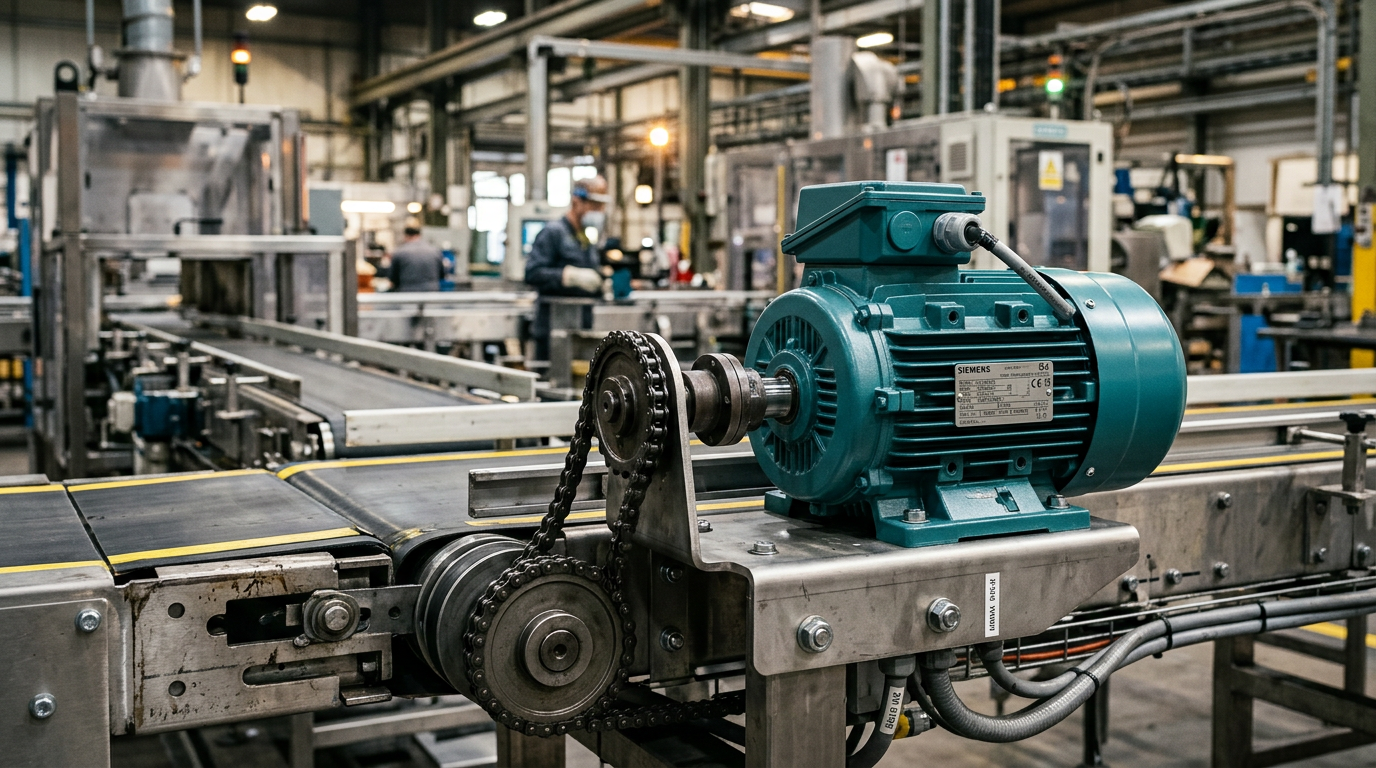
The end roller is the component around which the conveyor belt travels at the head or tail of the system. While standard pulleys provide structural support, "nose bars" or small-diameter end rollers are used when a tight transfer is required.
In applications involving fragile items—such as biscuits, electronic components, or small medical vials—a large diameter end roller would create a gap too wide for the product to bridge safely. By utilizing a small-diameter nose bar (often as small as 6mm to 10mm in diameter), the belt makes a much tighter turn, allowing the discharge and receiving conveyors to be placed almost flush against one another.
However, designers must balance the desire for a small radius with the mechanical limits of the belt. Bending a modular or fabric belt around a very tight radius increases internal stress and heat, which can lead to premature belt fatigue. To mitigate this risk, many engineers consult with specialists like Easy Conveyors to ensure the belt material is compatible with small-radius nose bars.
Easy Conveyors stocks the conveyor components discussed here — ready to ship across Europe.
Integration with Automation Systems
The optimization of these components is no longer just a mechanical concern; it is an automation requirement. Modern sortation systems rely on sensors mounted to the side guides to track product position. If a guide is misaligned, the sensor may trigger a false "jam" signal, stopping the entire line.
Integrating VFD soft-start tuning becomes essential when using high-friction side guides or heavy-duty transfer plates. A sudden start can cause products to slide against the guides, creating a "scuff" mark on the packaging or tipping unstable items. Implementing a ramp-up time of 1.5 to 2.5 seconds ensures that the product gains inertia gradually, maintaining its orientation through the transfer zone.
Common Failure Modes and Maintenance
To maintain system health, maintenance teams should monitor these three components for specific wear patterns:
- Side Guide Grooving: Continuous contact with sharp-edged products (like metal cans or glass bottles) can cut grooves into plastic guides, eventually snagging products.
- Transfer Plate "Lip" Wear: The leading edge of a transfer plate can wear down or bend, creating a knife-edge that can damage conveyor belts or peel labels off products.
- End Roller Bearing Failure: Small-diameter rollers often rotate at significantly higher RPMs than larger pulleys. If not properly lubricated or if they lack high-quality sealed bearings, they can seize, leading to friction-induced belt melting.
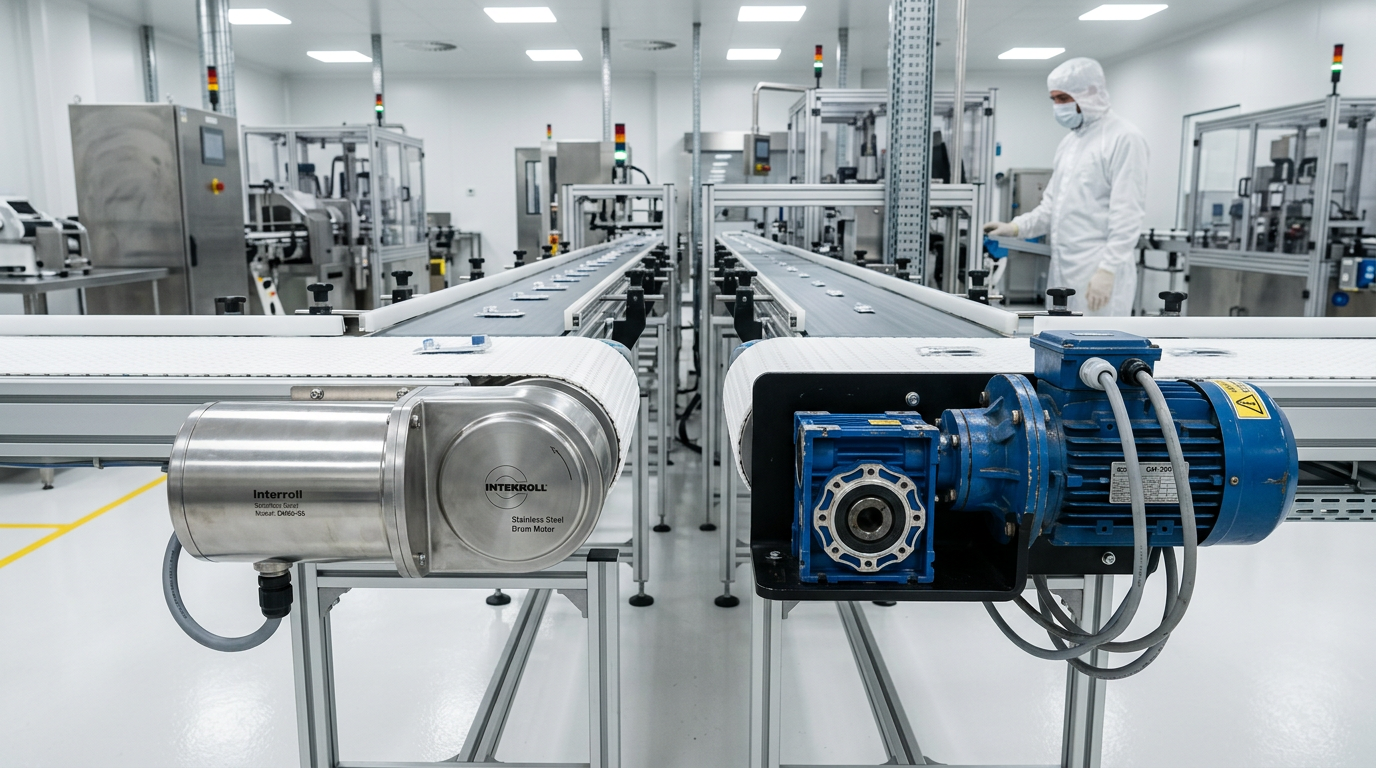
In wash-down environments, hygienic wash-down design is paramount. Transfer plates should be easily removable without tools to facilitate cleaning of the drive and idler areas where debris typically collects. When selecting these parts, look for components with "tumbled" or polished edges to prevent liquid pooling and bacterial harboring.
Conclusion
Side guides, transfer plates, and end rollers may seem like secondary accessories, but they are the "glue" that holds a modular conveyor system together. By carefully selecting materials for friction management, optimizing gap geometry for product size, and ensuring easy maintenance access, plant managers can significantly reduce downtime and extend the lifecycle of their conveyor belts. Proper specification at the design phase ensures that even the smallest items navigate the line with the same precision as bulkier loads.
Frequently Asked Questions
What is the recommended clearance for conveyor side guides?
Side guides should be set with a clearance of 2mm to 5mm wider than the product on each side. If the guides are too tight, they increase motor load and friction; if too loose, the product may wander or tip.
When should I use a nose bar instead of a standard end roller?
A nose bar is a non-rotating or very small diameter bar used to minimize the gap between two conveyors. It is essential for transferring small or fragile items that would otherwise fall into the gap created by a standard large-diameter pulley.
What is the best material for low-friction side guides?
UHMW-PE (Ultra-High Molecular Weight Polyethylene) is the preferred material due to its exceptionally low coefficient of friction, high wear resistance, and FDA compliance for food contact applications.
How often should transfer plates be inspected for wear?
Transfer plates should be inspected monthly for 'burrs' or sharp edges, alignment shifts, and debris buildup. In high-speed lines, check for signs of heat deformation on plastic plates.
Can I use a modular belt with a small-diameter end roller?
Yes, but you must ensure the belt is specifically rated for the small radius. Bending a standard belt around a tight nose bar can cause heat buildup and cracking of the belt surface.