Optimizing Case and Tote Conveyors for 3PL Warehouses: A Technical Guide
Learn how to optimize case and tote conveyors for 3PL warehouses with a focus on modularity, 24V ZPA logic, and IE3 efficiency standards for maximum throughput.
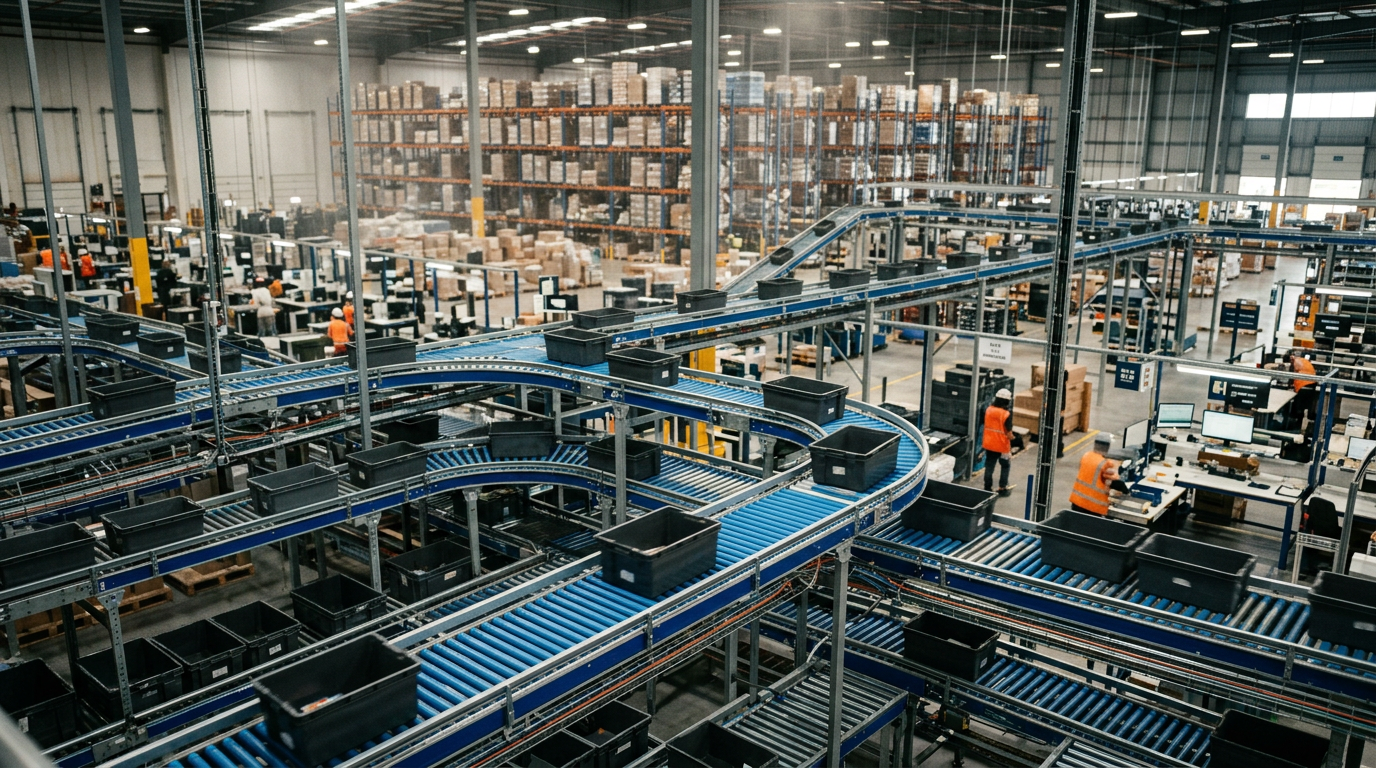
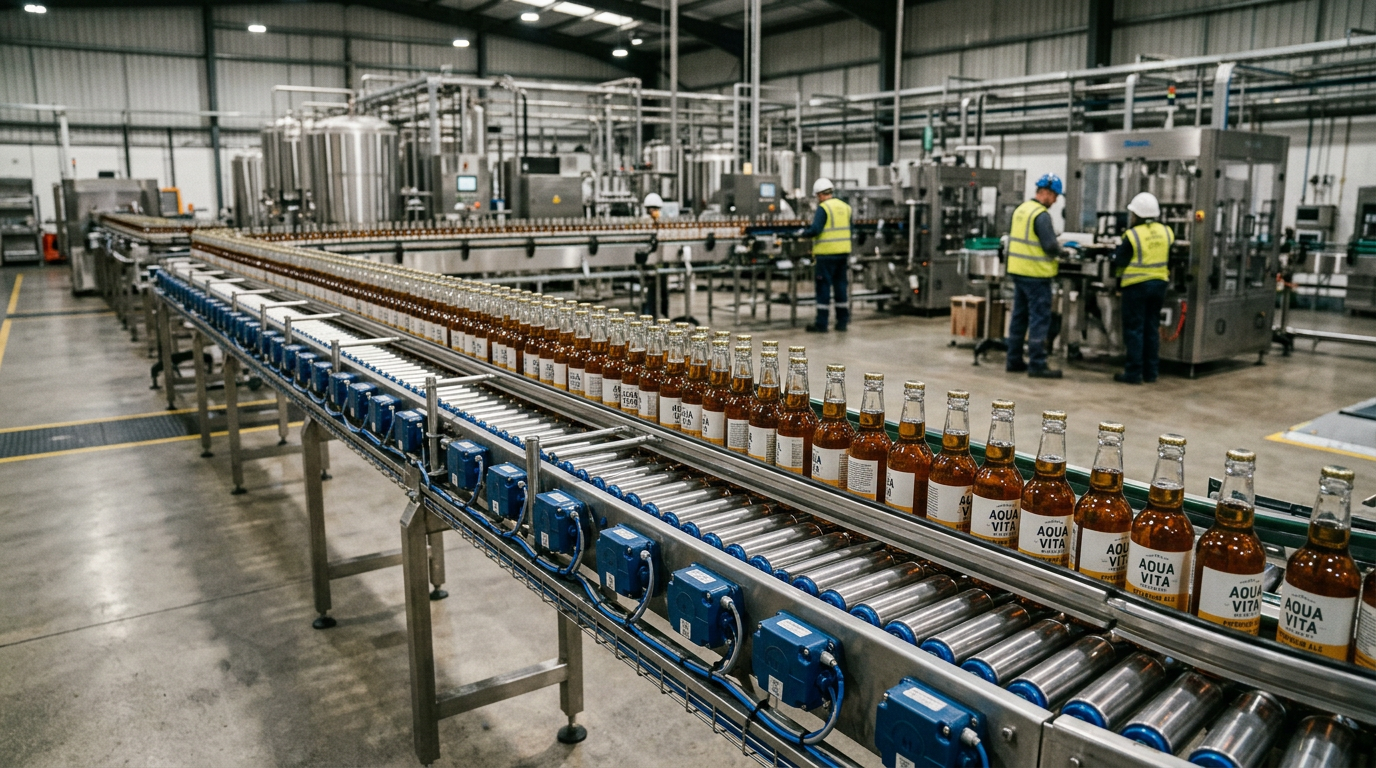
The selection and optimization of case and tote conveyors for 3PL warehouses hinges on achieving a throughput threshold of at least 1,200 to 2,000 cartons per hour while maintaining a system uptime exceeding 98%. In the fast-paced third-party logistics environment, successful modular systems leverage 24V DC brushless motor rollers (MDR) or decentralized AC drives to provide zero-pressure accumulation (ZPA), ensuring that fragile customer goods are transported without physical contact or back-pressure damage.
The Role of Modular Conveyors in 3PL Scalability
Third-party logistics (3PL) providers operate in a landscape of constant flux. Contracts vary in length, and product profiles can shift from lightweight apparel to heavy electronics in a single quarter. Unlike dedicated manufacturing lines, 3PL infrastructure must be adaptable.
Modular conveyor systems allow for rapid reconfiguration. When a warehouse layout needs to change to accommodate a new e-com fulfillment client, modular sections—straight runs, curves, and merges—can be bolted together or repositioned with minimal downtime. For companies seeking this level of flexibility, Easy Conveyors provides specialized aluminum and stainless steel modular solutions that integrate seamlessly into existing 3PL workflows.
Key Performance Indicators for Case Handling
To evaluate the efficiency of a case and tote system, engineers typically look at:
- Throughput Rate: Measured in Units Per Hour (UPH).
- Accumulation Logic: The ability to buffer goods without collision (Zero Pressure Accumulation).
- Energy Consumption: Specifically looking at "run-on-demand" capabilities.
- Noise Levels: Systems should ideally operate below 70 dB(A) to comply with OSHA noise exposure standards.
Technical Comparison: 24V MDR vs. 400V AC Drive Systems
The heart of a 3PL conveyor is its drive technology. Choosing between Motorized Drive Rollers (MDR) and traditional AC gearmotors depends largely on the load weight and the required length of the conveyor.
| Specification | 24V/48V MDR (Brushless DC) | 400V AC Gearmotor |
|---|---|---|
| Drive Type | Decentralized (Each zone powered) | Centralized (Belt/Chain driven) |
| Energy Efficiency | High (Run-on-demand) | Medium (Constant speed) |
| Accumulation | Zero Pressure Accumulation (ZPA) | Requires mechanical clutches/brakes |
| Maintenance | Plug-and-play replacement | Requires mechanical alignment/lubrication |
| Max Load | Typically up to 50kg per zone | 1000kg+ (Pallet capable) |
| Noise Level | < 60 dB(A) | 75-85 dB(A) |
Motor Efficiency and Standardization
For larger 3PL facilities, motor efficiency is critical for operational expenditure (OPEX) reduction. Selecting motors that meet the IEC 60034-30-1 IE3 or IE4 efficiency classes can reduce electrical consumption by up to 15% compared to older IE1 models. In systems utilizing AC gearmotors, integrating a VFD soft-start tuning strategy further reduces mechanical wear on belts and rollers by smoothing the acceleration curves.
Design Considerations for Totes and Cases
Totes are the lifeblood of order fulfillment. However, their design significantly impacts conveyor performance.
Material Compatibility
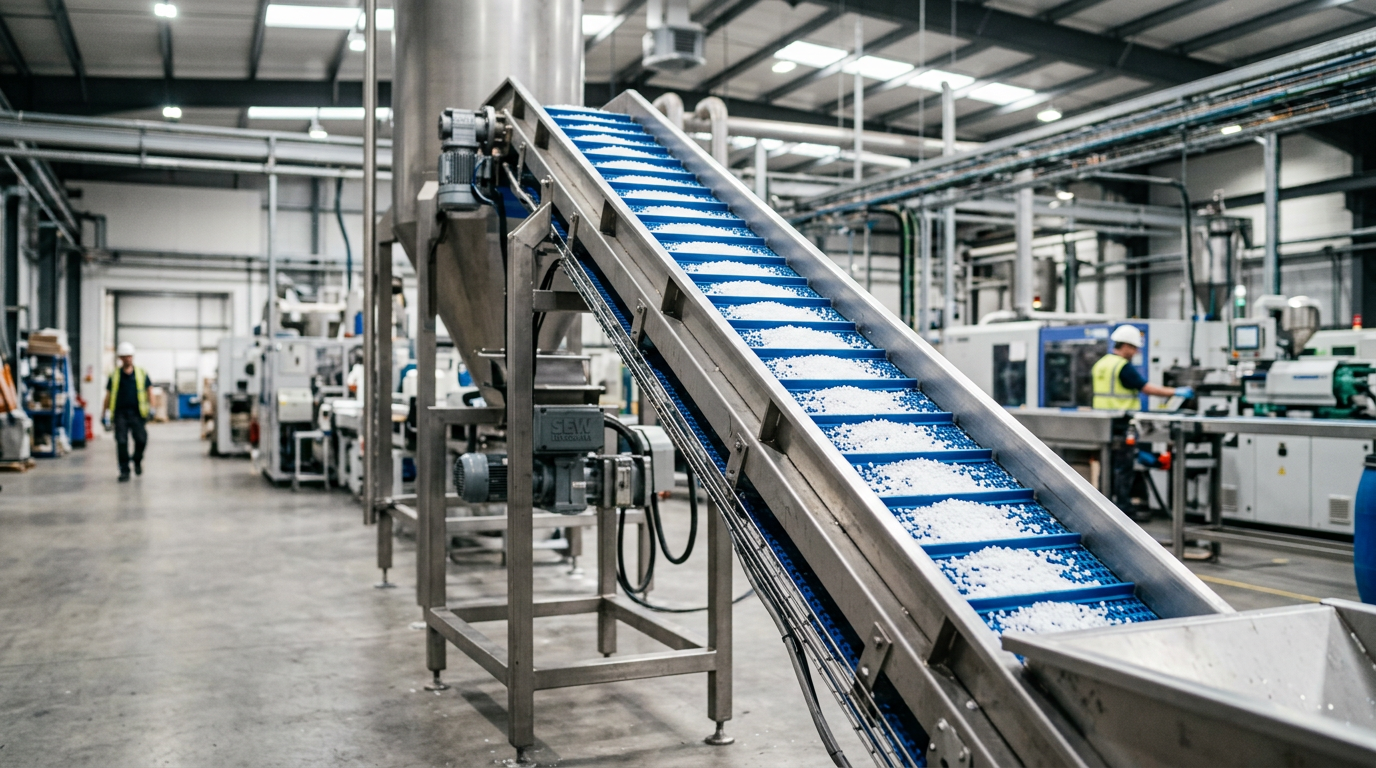
Most warehouse totes are manufactured from High-Density Polyethylene (HDPE) or Polypropylene (PP). While these are durable, they have different coefficients of friction. A conveyor configured for cardboard boxes may require different roller sleeves or belt textures to handle plastic totes, especially on inclines. Understanding POM vs PP vs PE material properties is essential when selecting modular belt flighting or friction inserts.
Sorting and Merging
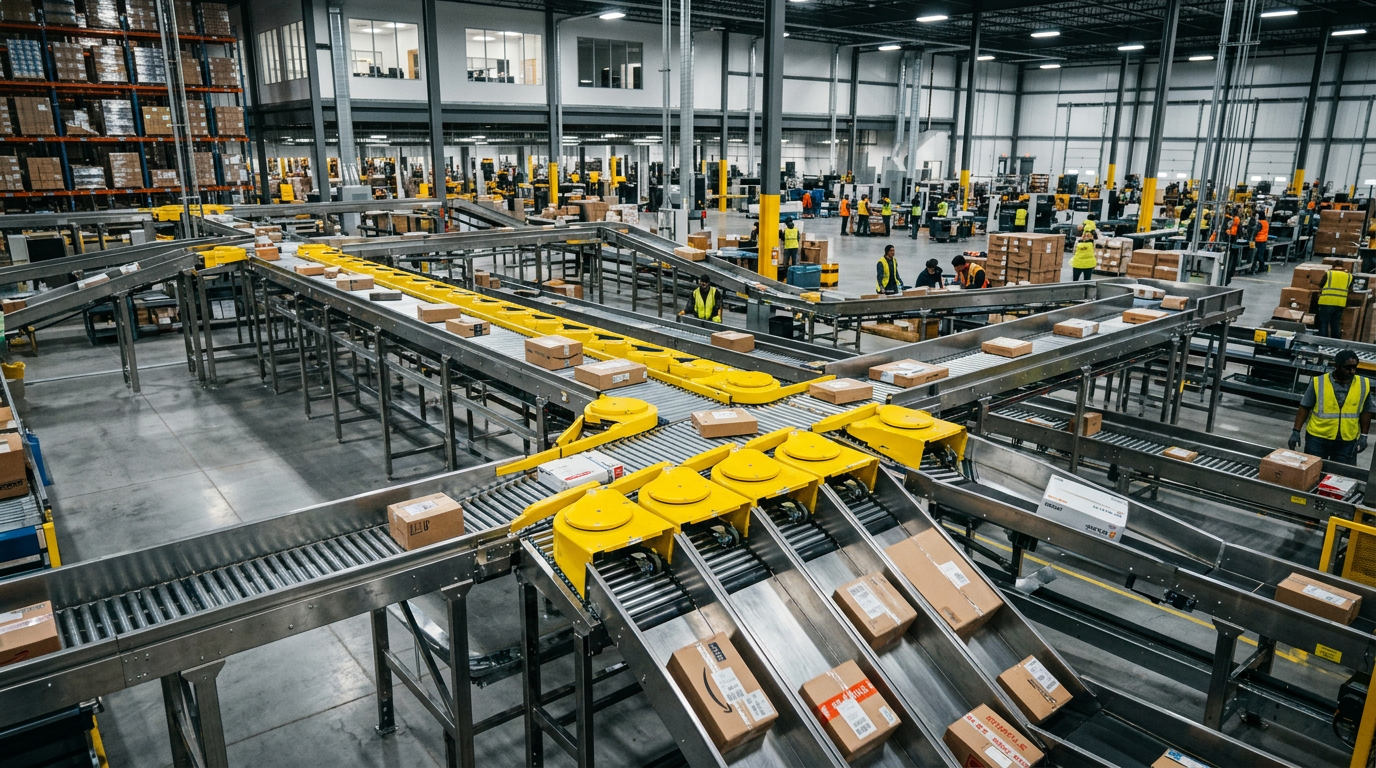
3PL warehouses often require sophisticated sortation to direct orders to different shipping carriers. High-speed "pop-up" diverts or "pivot wheel" sorters are standard. For these modules to function, the "gap control" logic must be precise. This is achieved through photo-eye sensors located at the entry of each zone, communicating via industrial Ethernet protocols (EtherNet/IP or PROFINET).
Easy Conveyors stocks the material handling discussed here — ready to ship across Europe.
Safety and Compliance in 3PL Environments
Safety is paramount in high-traffic 3PL environments where human pickers work alongside automated machinery. Systems must adhere to ISO 13849-1 for safety-related parts of control systems.
Key safety features include:
- Emergency Stop Integration: Hard-wired or networked E-stops that safely de-energize drive zones.
- Side Guards: Preventing totes from falling in overhead conveyor applications.
- Low-Voltage DC: Using 24V/48V systems is inherently safer for maintenance personnel than high-voltage AC lines.
Maintenance and Failure Modes
Even the most robust system requires a proactive maintenance schedule. In 3PL warehouses, dust from cardboard boxes is the number one enemy of sensor reliability.
Common Failure Modes
- Sensor Misalignment: The most frequent cause of ZPA system "lock-outs." Regular cleaning and bracket tightening are required.
- Bearing Wear: Often identified by an increase in decibel levels before physical failure.
- Drive Belt Snapping: In belt-driven roller conveyors, the small "O-rings" or poly-V belts can fatigue after 10,000+ hours of operation.
Implementing condition-based monitoring through smart IO-Link sensors can predict these failures by tracking motor current spikes or vibration signatures, which is a significant leap beyond simple "break-fix" cycles.
Integrating Sortation and Vertical Transport
As 3PLs look to maximize their footprint, vertical space utilization becomes a priority. Spiral conveyors or vertical reciprocating conveyors (VRCs) are used to move cases between mezzanine levels and the ground floor packing stations.
When selecting a vertical solution, the footprint is the primary constraint. Spiral conveyors offer continuous flow and higher throughput but take up more floor space than a VRC. For high-density 3PL centers, the throughput of the vertical module must match the horizontal case conveyor to prevent "bottlenecking"—a common issue where the horizontal lines are faster than the vertical lifts, leading to upstream congestion.
By focusing on modular components, high-efficiency motors, and smart accumulation logic, 3PL operators can build a material handling backbone that grows with their business and adapts to the unpredictable demands of global supply chains. For those in the early stages of facility design, focusing on a hygienic wash-down design may not be necessary for general dry goods, but it is a critical consideration if the 3PL handles food or pharmaceutical-grade products requiring FDA-compliant materials.
Frequently Asked Questions
What is Zero Pressure Accumulation (ZPA) and why is it used?
Zero Pressure Accumulation (ZPA) is a control method where individual zones on a conveyor stop to prevent items from touching. This is crucial in 3PL warehouses to prevent damage to fragile goods and to manage flow into various automated processes.
How does modularity benefit 3PL warehouse operations?
Modular systems allow for rapid reconfiguration. 3PLs often change clients or seasonal layouts; modular conveyors can be lengthened, shortened, or rerouted by bolting prefabricated sections together without extensive engineering.
Should I choose 24V MDR or 400V AC motors?
24V MDR is better for lighter loads (under 50kg) and requires ZPA, whereas 400V AC gearmotors are preferred for heavy-duty pallet handling or very long, continuous conveyor runs without frequent stops.
What is the most common cause of downtime in case conveyors?
Dust and debris from cardboard boxes often interfere with photo-eye sensors, leading to ghost jams or failure to stop. Regular cleaning and using high-quality sensors with ambient light rejection are essential.
How do motor efficiency classes like IE3 impact warehouse OPEX?
IE3 (Premium Efficiency) and IE4 (Super Premium) motors significantly reduce energy consumption. In a 24/7 3PL operation, the ROI on higher efficiency motors is often achieved in less than 18 months.