High-Speed Case and Tote Conveyors for 3PL Warehouses: A Guide
Optimize 3PL warehouse throughput with high-speed case and tote conveyors. Learn about MDR technology, ZPA logic, and modular design for scalable logistics operations.
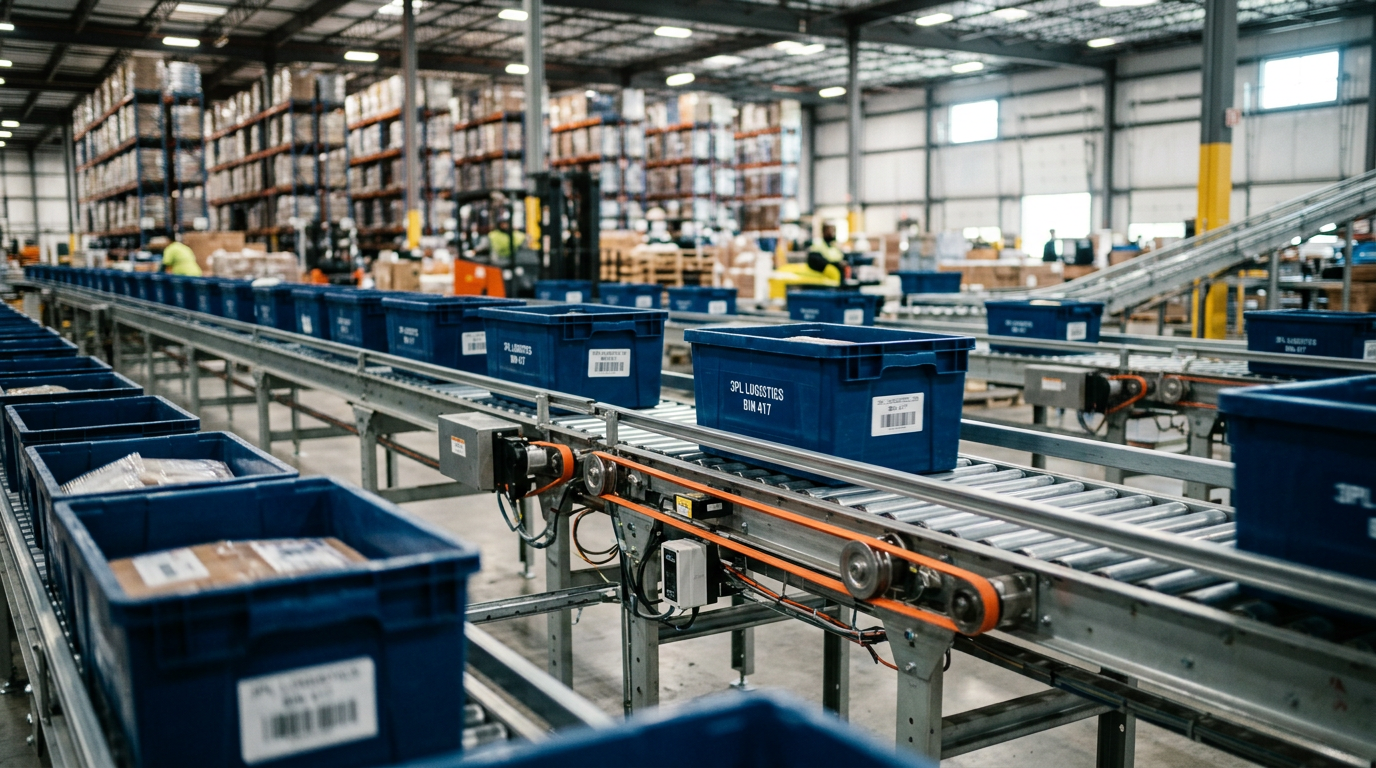
Modern 3PL (Third-Party Logistics) facilities require high-speed case and tote conveyors capable of handling throughputs exceeding 3,000 units per hour while maintaining sorting accuracy above 99.9%. These systems serve as the backbone for automated storage and retrieval systems (ASRS), cross-docking operations, and e-commerce fulfillment centers by efficiently transporting standardized plastic totes and corrugated cardboard cases between receiving, picking, and shipping zones.
The Evolution of 3PL Material Handling
The surge in e-commerce and the demand for "next-day" delivery have forced 3PL providers to move away from manual pallet-based handling toward unit-level automation. Case and tote conveyors provide the necessary infrastructure to manage high-SKU environments where individual packages vary in weight, size, and fragility. By implementing modular conveyor systems, 3PLs can achieve the scalability required to handle seasonal peaks, such as Black Friday or Cyber Monday, without permanent over-investment in fixed floor space.
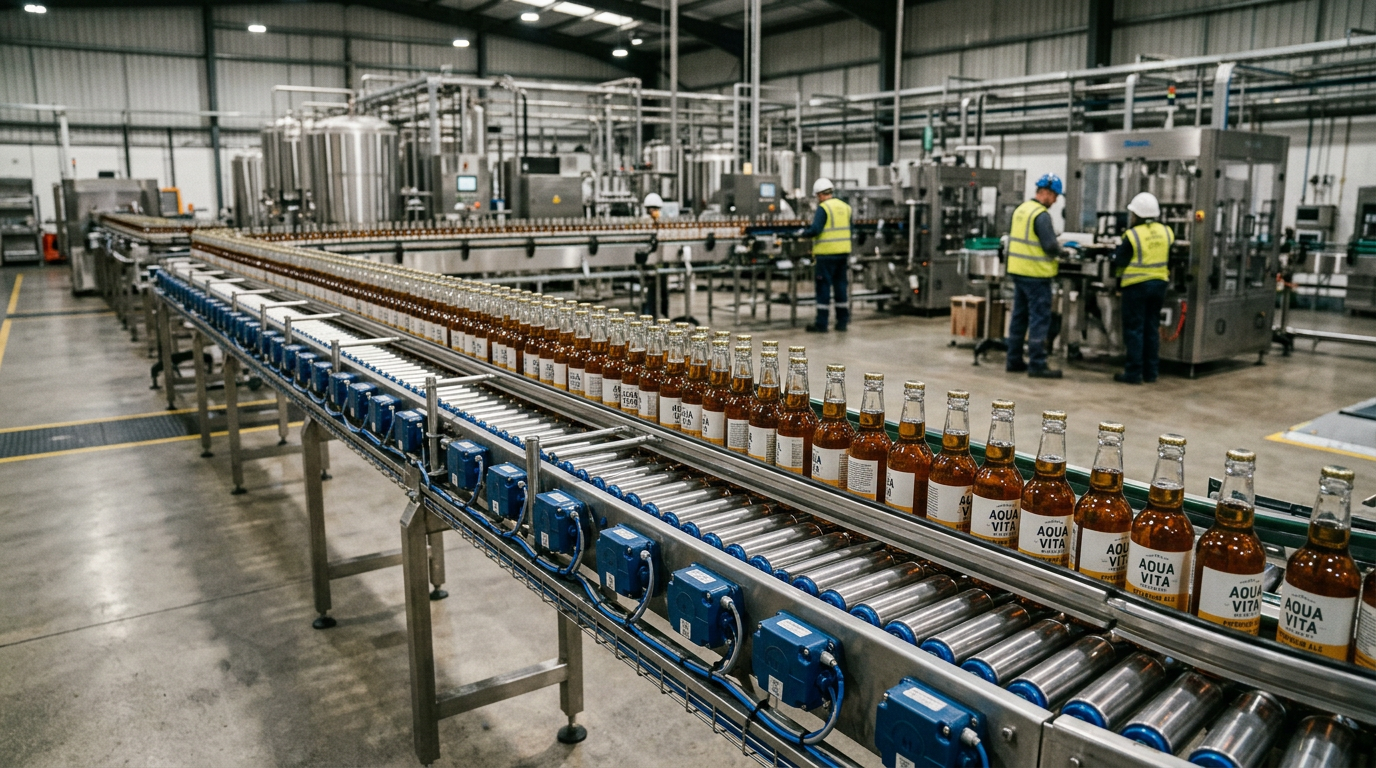
Key to this evolution is the transition from traditional AC motor-driven rollers to 24V/48V Motorized Lead Rollers (MDR) and decentralized control logic. This shift allows for "Run-on-Demand" functionality, which can reduce energy consumption by up to 50% compared to continuous-run systems (SEW-Eurodrive).
Technical Specifications for Case and Tote Systems
Selecting the right conveyor requires a deep understanding of the load characteristics and the required flow rate. For 3PLs, the standard tote size often follows Euro-container dimensions (600mm x 400mm), though custom sizes are common in pharmaceutical and automotive sectors.
Load Capacity and Speed
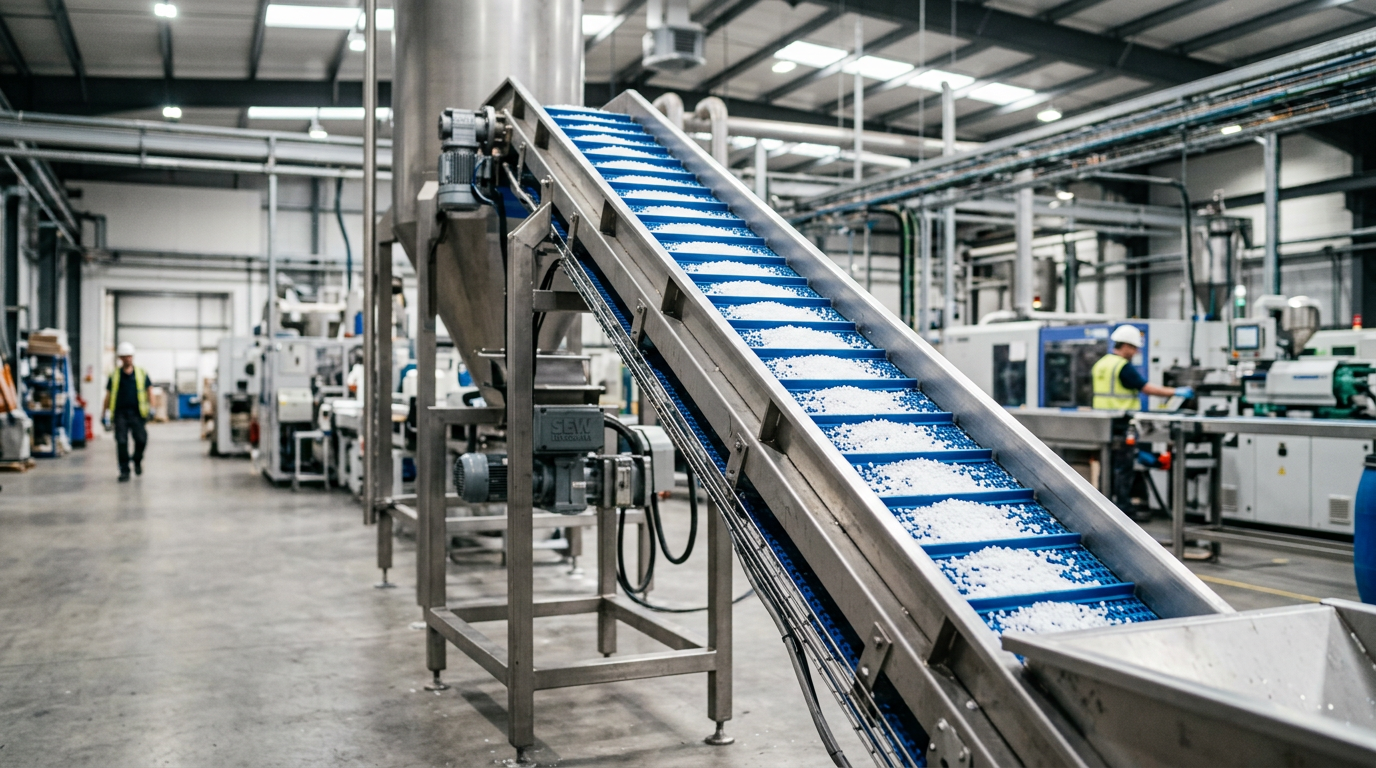
Most case and tote conveyors are designed for loads ranging from 0.5 kg to 50 kg. To maintain stability during high-speed transport (which can reach 2.0 m/s), the conveyor surface must provide sufficient friction while minimizing vibration. Modular plastic belts and specialized roller coatings are often used to ensure the product does not slide during acceleration or deceleration.
Conveyor Type Comparison
Different zones within a 3PL warehouse require different conveyor technologies. The following table compares the three most common types used for case and tote handling:
| Feature | Motorized Lead Roller (MDR) | Belt-Over-Roller | Plastic Modular Belt |
|---|---|---|---|
| Primary Use | Zero Pressure Accumulation (ZPA) | Long-distance transport | Incline/Decline & Curves |
| Efficiency Class | High (Run-on-demand) | Medium (Continuous) | Medium |
| Noise Level | < 60 dB | 65-75 dB | 70-80 dB |
| Maintenance | Low (Plug & Play) | Moderate (Belt tracking) | Moderate (Link replacement) |
| Typical Speed | 0.8 - 1.2 m/s | Up to 2.5 m/s | 0.5 - 1.5 m/s |
| IP Rating | IP54 - IP66 | IP20 - IP54 | IP66 - IP69K |
Sorting and Diversion Technologies
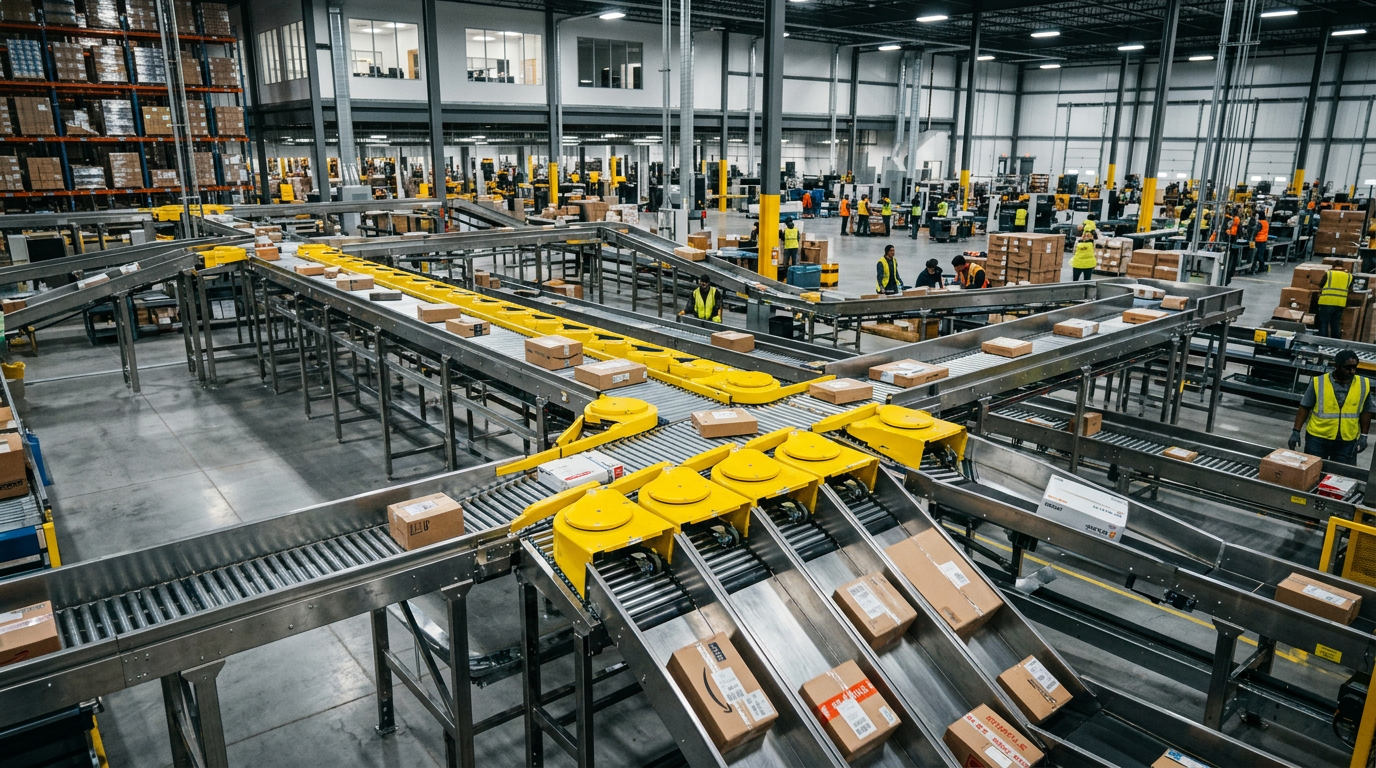
In a 3PL environment, the ability to sort cases and totes to different shipping lanes is critical. Modern systems utilize high-speed sorters such as:
- Pop-up Diverters: Ideal for medium speeds, these use rollers or wheels that rise to redirect the package at 30 or 45-degree angles.
- Swivel Wheel Sorters: These offer higher throughput, capable of bi-directional sorting at 90-degree angles.
- Shoe Sorters: The gold standard for high-speed 3PL hubs, capable of handling over 10,000 units per hour by sliding "shoes" across the slats to gently push items into their designated chutes.
Easy Conveyors stocks the material handling discussed here — ready to ship across Europe.
Designing for Scalability and Modularity
One of the greatest challenges for 3PL providers is the uncertainty of future contract requirements. A system designed for a footwear retailer may need to be adapted for a beauty brand two years later. This is where modularity becomes a competitive advantage.
Using systems from specialists like Easy Conveyors allows engineers to treat the conveyor layout like a "building block" system. Standardized modules for straights, curves, transfers, and inclines can be reconfigured or extended with minimal downtime. This modular approach aligns with the ISO 4414 standards for pneumatic fluid power and general rules for systems (ISO), ensuring that safety and performance are maintained even after layout modifications.
Control Systems and Integration
The "intelligence" of a case and tote conveyor lies in its control layer. In 3PL warehouses, conveyors must interface with the Warehouse Management System (WMS) and Warehouse Control System (WCS).
Zero Pressure Accumulation (ZPA)
ZPA is essential for preventing product damage. By dividing the conveyor into zones—each with its own sensor and motor—the system ensures that totes never touch each other. When a downstream zone is occupied, the upstream motor stops, creating a buffer. This logic is typically handled by decentralized controllers communicating via EtherNet/IP or PROFINET (Siemens).
Safety Standards and Compliance
3PL operators must adhere to rigorous safety standards to protect personnel. The EN 619:2022 standard specifies safety and EMC requirements for continuous handling equipment and systems for unit loads (CEN). This includes:
- Guarding: Protective barriers at nip points and overhead sections.
- Emergency Stops: Strategically placed E-stop buttons and pull-cords.
- Noise Mitigation: Ensuring decibel levels remain within OSHA-mandated limits (OSHA).
Common Failure Modes and Maintenance
To achieve the high availability required by 3PLs (often >98%), proactive maintenance is required. Common issues include:
- Sensor Misalignment: Photoeyes blocked by dust or skewed by vibrating totes can cause system gridlock.
- Belt Tension Loss: In belt-over-roller systems, improper tension leads to slipping and reduced throughput.
- Motor Overheating: Often caused by excessive loads or frequent start-stop cycles in non-ZPA systems.
Implementing a predictive maintenance strategy, utilizing vibration sensors and current monitoring on key drive motors, can alert maintenance teams to potential failures before they result in unplanned downtime. By integrating these IoT capabilities, 3PLs can transition from reactive repairs to a data-driven reliability model.
Conclusion
Case and tote conveyors are no longer just "transport belts"; they are sophisticated data-gathering assets that define the efficiency of the modern 3PL warehouse. By prioritizing modularity, energy efficiency via MDR technology, and robust integration with warehouse software, logistics providers can build a resilient infrastructure capable of meeting the demands of an ever-changing global market. Selecting components that meet international standards like IEC 60034-30-1 for motor efficiency and ISO 13849-1 for safety-related parts of control systems is the only way to ensure long-term operational excellence.
Frequently Asked Questions
What is Zero Pressure Accumulation (ZPA) in tote conveyors?
ZPA (Zero Pressure Accumulation) uses sensors and decentralized controllers to ensure that cases and totes do not touch or collide on the conveyor. Each 'zone' only moves if the zone ahead is clear, preventing product damage and reducing pressure on the mechanical components.
Why are 24V/48V MDRs preferred over traditional AC motors?
Motorized Lead Rollers (MDR) typically run on 24V or 48V DC power. They offer significant energy savings (up to 50%) because they only run when a product is present, compared to traditional AC motors that often run continuously.
What is the standard tote size for automated 3PL systems?
Standard totes in European logistics often follow the 600x400mm footprint. However, systems are usually designed to handle a range from 200x200mm up to 800x600mm to accommodate various SKU sizes.
How fast can a case conveyor run?
For light-to-medium cases (up to 30kg), speeds typically range from 0.6 m/s to 1.5 m/s. High-speed sortation mainlines can reach 2.0 m/s or higher depending on the stability of the load.