Optimizing High-Velocity 3PL Warehouses with Modular Case and Tote Conveyors
Learn how modular case and tote conveyors enhance 3PL warehouse efficiency with 24V MDR technology, ZPA logic, and scalable sortation designs for high-speed fulfillment.
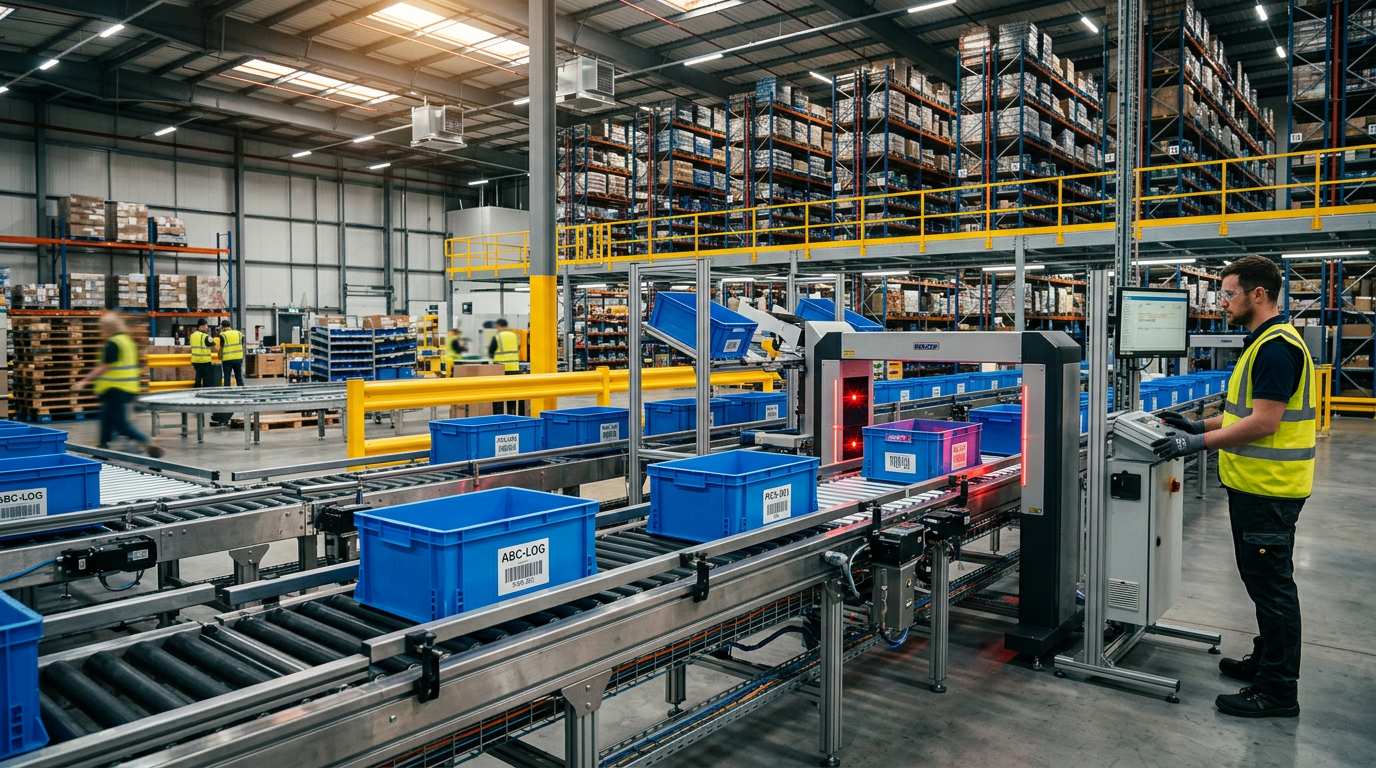
Modern 3PL operations require case and tote conveyors capable of handling throughputs exceeding 2,500 units per hour while maintaining 99.9% sortation accuracy across diverse SKU profiles. Effective system design relies on modular 24V DC roller technology (MDR) and decentralized controls to minimize energy consumption by up to 40% compared to traditional AC-driven legacy systems.
The Shift Toward Modular Case and Tote Handling
The landscape of Third-Party Logistics (3PL) has shifted from bulk pallet movement to high-velocity piece picking and carton handling. This evolution demands conveyor systems that are not only fast but inherently flexible. Case and tote conveyors serve as the "circulatory system" of the warehouse, moving plastic totes, corrugated boxes, and polybags between receiving, storage, picking, and shipping zones.
Unlike fixed-path manufacturing lines, 3PL environments must adapt to seasonal peaks and changing client requirements. This is where modularity becomes a competitive advantage. Using standardized units for straights, curves, transitions, and merges allows engineers to reconfigure layouts in days rather than weeks.
Core Technologies in 3PL Conveying
The choice between AC-powered centralized drives and 24V/48V DC Motorized Drive Rollers (MDR) is the most critical decision in modern system design.
Motorized Drive Rollers (MDR)
MDR technology has become the industry standard for tote handling. By dividing the conveyor into independently controlled zones, the system creates "zero-pressure accumulation" (ZPA). This prevents products from touching, reducing damage to fragile goods and eliminating the bottlenecks typical of "slug" discharge systems.
- Efficiency: Motors only run when a product is detected by a photo-eye.
- Safety: Low-voltage DC power reduces electrical hazards and operates at noise levels below 60 dB.
- Maintenance: Most MDR units are "plug-and-play," requiring significantly less technical expertise for component replacement.
Belt-Over-Roller vs. Roller Conveyors
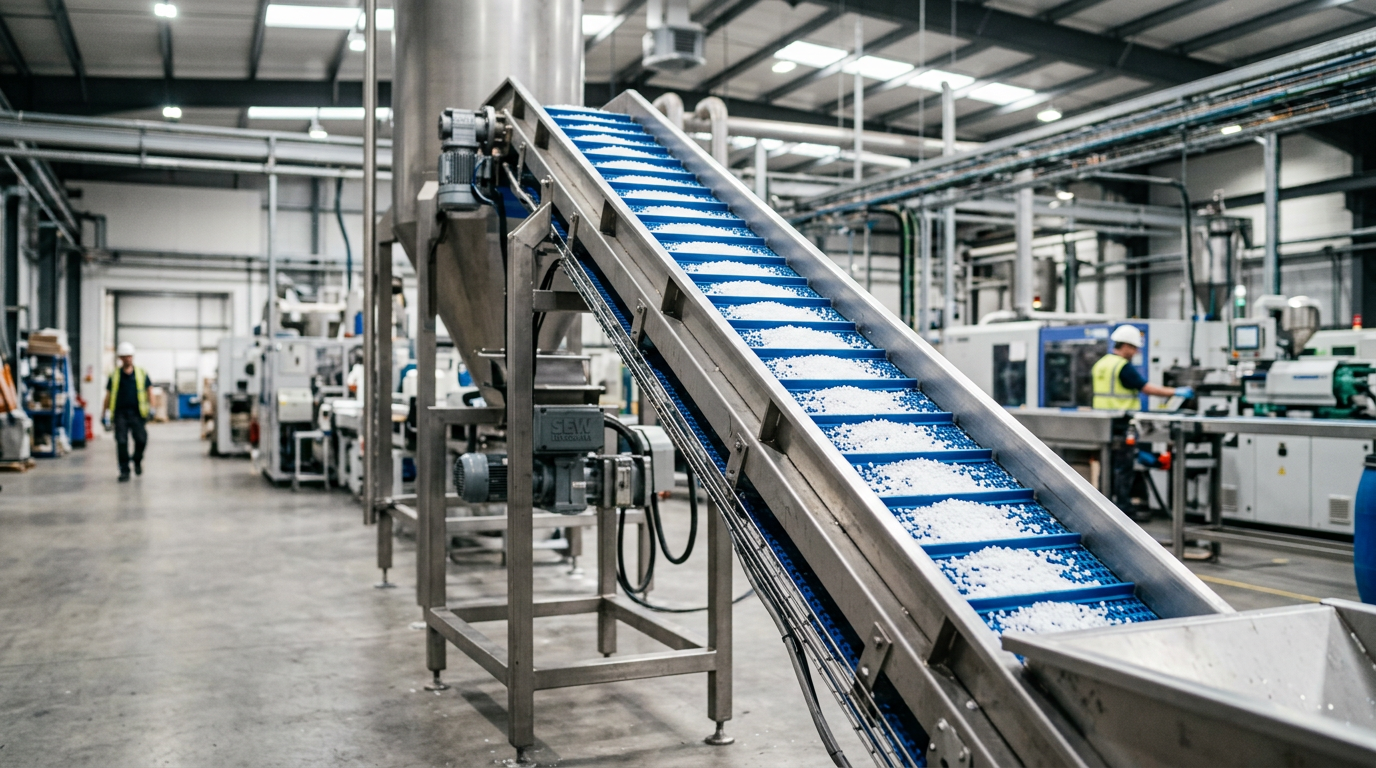
While roller conveyors are ideal for standard totes and rigid cases, 3PLs increasingly deal with polybags and uneven packaging. In these instances, belt-over-roller configurations or modular plastic belt conveyors provide the necessary surface stability to prevent "tracking" issues or small items falling between rollers.
Optimized Design for High-Throughput Sortation
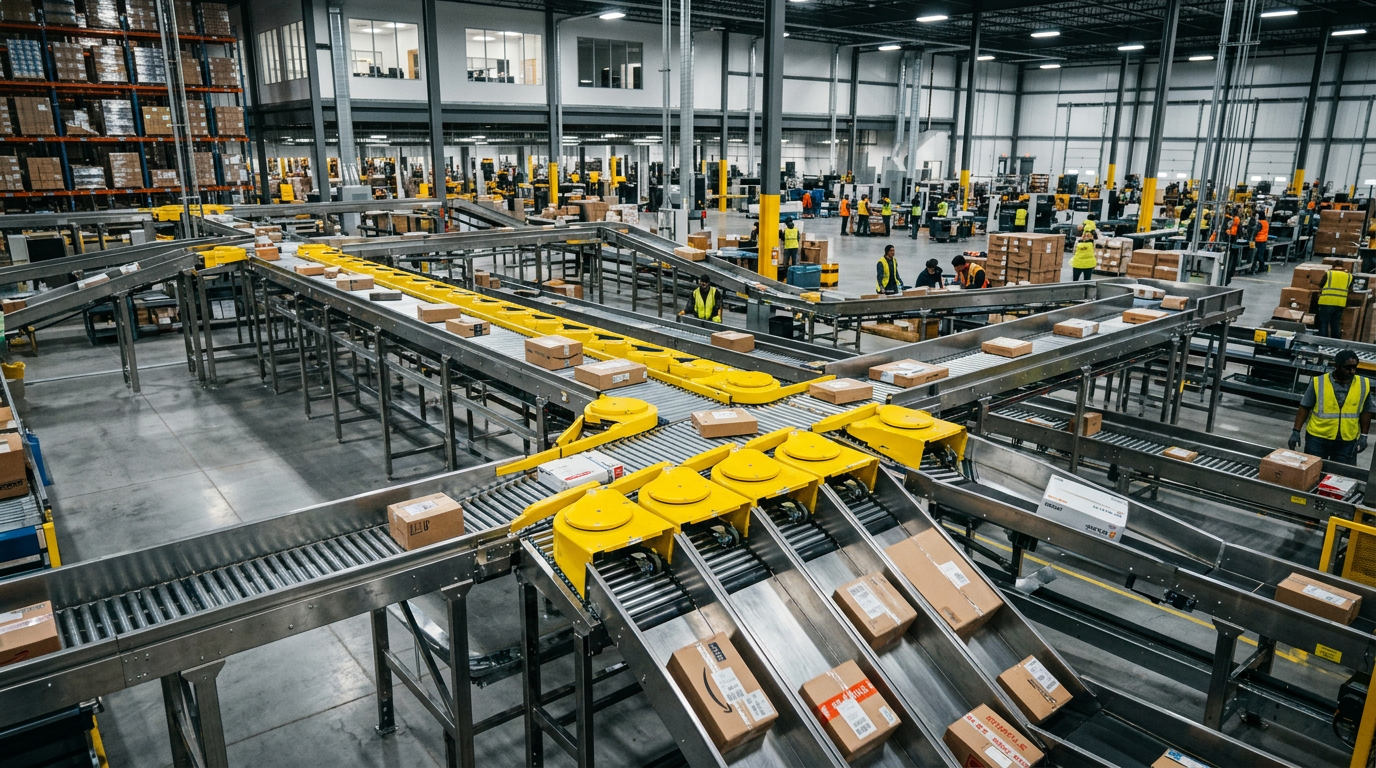
In a 3PL facility, the conveyor is only as good as its ability to redirect flow. Sortation zones—utilizing pop-up transfers, steerable wheels, or shoe sorters—are where the logic of the warehouse management system (WMS) meets the physical world.
- Induction Zones: Ensuring proper "gapping" is handled through variable speed controllers. Without precise gaps, scanners cannot read barcodes at speeds exceeding 1.5 meters per second.
- Divert Rates: For medium-to-high volume 3PLs, steerable wheel divert modules can handle up to 60-80 cartons per minute, whereas high-speed shoe sorters can exceed 200 cartons per minute.
- Ergonomic Integration: Converging high-speed lines with manual pack stations requires height-adjustable modules and "soft" starts to ensure operator safety and comfort.
To maintain these high standards, working with an experienced engineering partner is essential. Easy Conveyors offers a comprehensive range of modular components specifically designed for the rapid deployment and reliability required in the 3PL sector.
Easy Conveyors stocks the material handling discussed here — ready to ship across Europe.
Material Selection and Durability Standards
The choice of materials directly impacts the Total Cost of Ownership (TCO). For 3PLs handling food-grade items or pharmaceuticals, stainless steel frames and food-safe belts are mandatory to meet ISO 22000 or FDA standards. However, for general e-commerce totes, powder-coated steel or aluminum profiles offer the best balance of rigidity and cost-effectiveness.
| Feature | 24V MDR System | AC Gearmotor System | Modular Plastic Belt |
|---|---|---|---|
| Energy Consumption | Low (Run-on-demand) | High (Constant run) | Medium |
| Noise Level | < 60 dB | 75-85 dB | 65-75 dB |
| Maintenance Complexity | Low (Modular swap) | Medium (Chain/Oil) | Medium (Pin replacement) |
| Max Load (Totes) | 50 kg per zone | 250+ kg | 100+ kg |
| Typical IP Rating | IP54 - IP66 | IP55 - IP69K | IP66 |
Controls and Automation Integration
The "intelligence" of a 3PL conveyor lies in its decentralized control architecture. Modern systems utilize Ethernet/IP, PROFINET, or EtherCAT protocols to communicate directly with the WMS. This allows for real-time tracking of every tote via integrated RFID or barcode scanners located at strategic decision points.
VFD Soft-Start Tuning
When dealing with heavy cases (over 30kg), the use of Variable Frequency Drives (VFDs) is vital. Tuning the ramp-up and ramp-down speeds prevents the physics of inertia from causing cases to slip on rollers or topple during high-speed merges.
Hygienic Wash-down Design
For 3PLs specializing in cold-chain or fresh grocery fulfillment, the conveyor system must withstand rigorous cleaning protocols. This involves selecting components with IP69K ratings and avoiding "bug traps"—crevices where organic material can accumulate.
Scalability: Planning for Peak Season
3PL contracts are rarely static. A warehouse may need to double its throughput for a specific client during the Q4 holiday rush. Modular conveyor systems allow for:
- Plug-and-play expansions: Adding a 3-meter straight section or a new divert module can often be done over a weekend.
- Dynamic rerouting: PLC logic can be updated to prioritize specific divert lanes during high-volume shifts.
- Redundancy: Modular design ensures that if one motor fails, only a 600mm or 900mm zone is affected, rather than the entire line stalling.
Maintenance and Reliability Metrics
In a 24/7 3PL environment, downtime is calculated in thousands of Euros per minute. Implementing a predictive maintenance strategy involves monitoring motor temperature and current draw through the conveyor's control bus. An uptick in current often signals a worn bearing or a misaligned belt before a failure occurs.
Key maintenance focus areas:
- Roller Wear: Inspecting the "lagging" or rubber coating on drive rollers to ensure consistent friction.
- Belt Tension: In belt-over-roller systems, regular checks of the take-up units prevent tracking errors.
- Sensor Alignment: Ensuring photo-eyes are clear of dust and properly aligned to avoid "phantom" jams.
By prioritizing modularity, energy efficiency, and intelligent control, 3PL providers can build a logistics backbone that survives the pressures of modern e-commerce and global supply chain volatility.
Step-by-step
- 1
Determine Peak Throughput Requirements
Calculate the maximum number of cases per hour (CPH) required during peak season; typically, 3PL systems target 1,500–3,000 CPH per main induction line.
- 2
Select Drive Technology
Choose 24V or 48V DC Motorized Drive Rollers (MDR) for loads up to 50kg to enable energy-efficient Zero Pressure Accumulation.
- 3
Define Zone Lengths
Set conveyor zone lengths to be 1.5 times the length of your longest tote or case to ensure proper gapping and sensor triggering.
- 4
Configure Control Logic
Integrate decentralized I/O modules (Ethernet/IP or PROFINET) to allow the WMS to communicate directly with each conveyor zone.
- 5
Level and Anchor Modules
Ensure all conveyor sections are leveled within +/- 1mm and anchored to the floor to prevent vibration-induced tracking issues at speeds above 1.0 m/s.
Frequently Asked Questions
What is Zero Pressure Accumulation (ZPA) in tote conveying?
Zero Pressure Accumulation (ZPA) is a control logic that ensures products on a conveyor never touch each other. Each zone only activates if the zone in front of it is clear, preventing damage to fragile goods and reducing mechanical wear.
How much energy can be saved by switching to MDR technology?
24V DC Motorized Drive Rollers (MDR) offer up to 40% energy savings over traditional AC motors because they only operate when a product is present, whereas AC motors typically run the entire line continuously.
What are the best frame materials for case conveyors?
For general dry goods, powder-coated steel or aluminum is standard. For food, pharma, or cold-storage 3PLs, stainless steel is required for hygiene and corrosion resistance.
Can standard roller conveyors handle polybags?
Regular roller conveyors are prone to "polybag snags" where the bag material gets caught in the rollers. For polybags, a belt-over-roller or modular plastic belt conveyor is recommended for a continuous support surface.
What is the maximum throughput for a tote sortation system?
Sortation capacity is determined by the divert technology. Pop-up units handle ~30-60 CPM, steerable wheels ~60-100 CPM, and shoe sorters can exceed 200 CPM depending on the conveyor speed and product size.