Engineering Aluminium Profile Conveyor Frames for Efficient Line Balancing
Discover how aluminium profile conveyor frames enable rapid line balancing and modular production. Technical insights on T-slot extrusions and structural design.
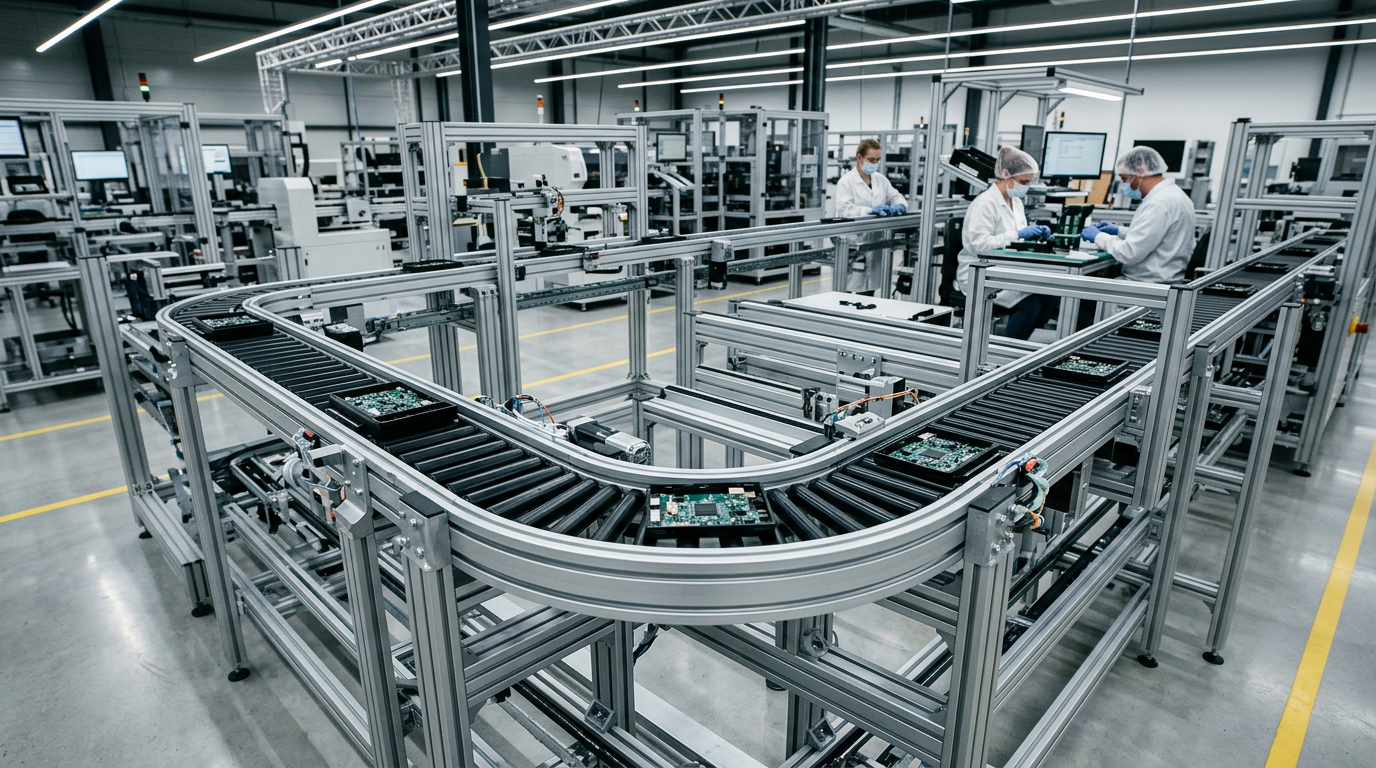
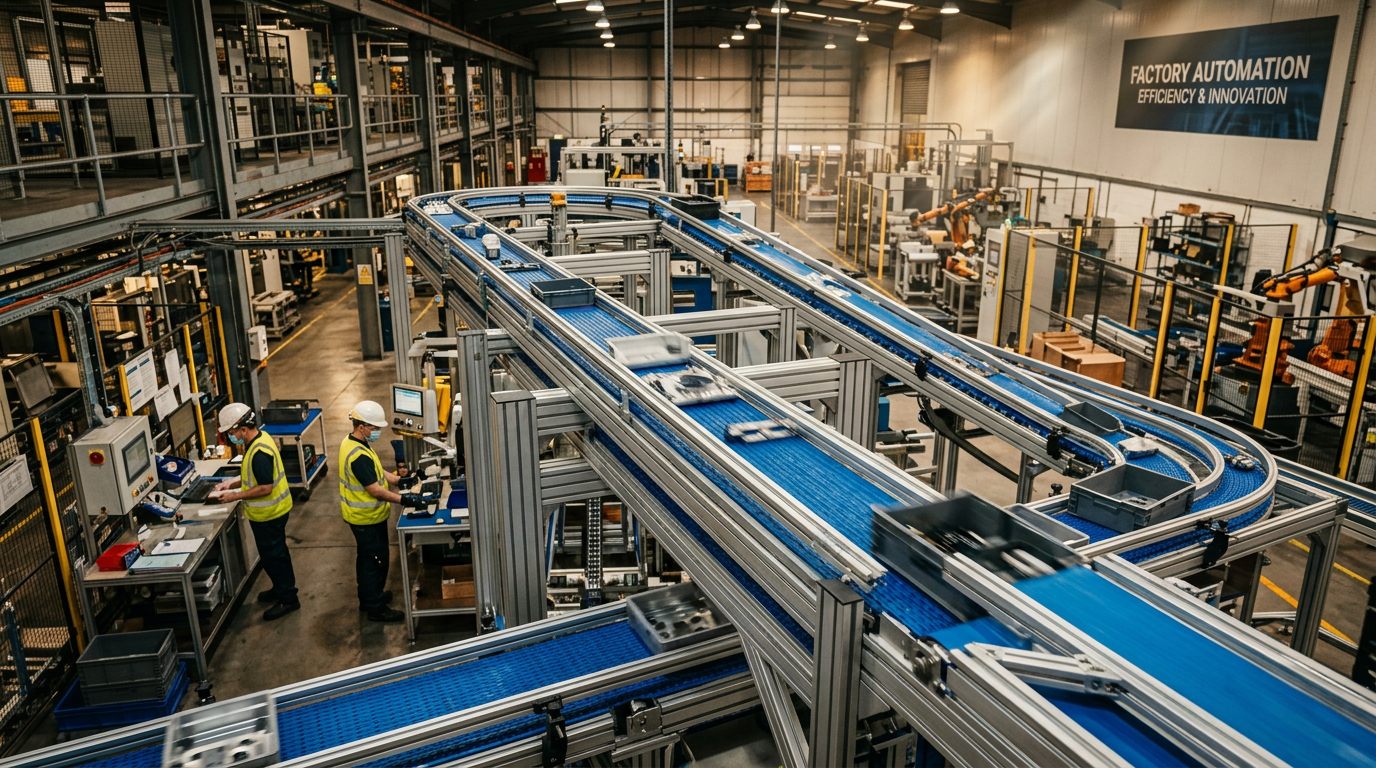
Aluminium profile conveyor frames are modular structural systems designed to provide the mechanical foundation for material handling, specifically engineered to enable rapid reconfiguration for line balancing in dynamic manufacturing environments. These systems utilize T-slot extrusions—typically 6063-T6 architectural grade aluminium—to allow for the infinite positioning of sensors, diverts, and drive units without the need for welding or specialized tooling.
The Role of Aluminium Profiles in Modern Line Balancing
In high-mix, low-volume production, line balancing is the process of aligning the production rate with the Takt time to minimize idle periods and bottlenecks. Traditional welded steel frames are rigid; once the line is set, moving a transfer station or adding a buffer zone requires significant downtime, grinding, and welding.
Aluminium profile conveyor frames solve this by offering "mechanical fluidity." Because the frame itself acts as a continuous mounting rail, engineers can adjust the pitch of components or extend the conveyor length in minutes. This is critical for Modular Production Cells where the layout must change quarterly to accommodate new product iterations.
Technical Advantages of Modular Extrusions
- Strength-to-Weight Ratio: High-grade aluminium profiles provide structural integrity comparable to steel but at nearly 50% less weight, reducing the floor loading and making the units easier to relocate using standard casters or AGVs.
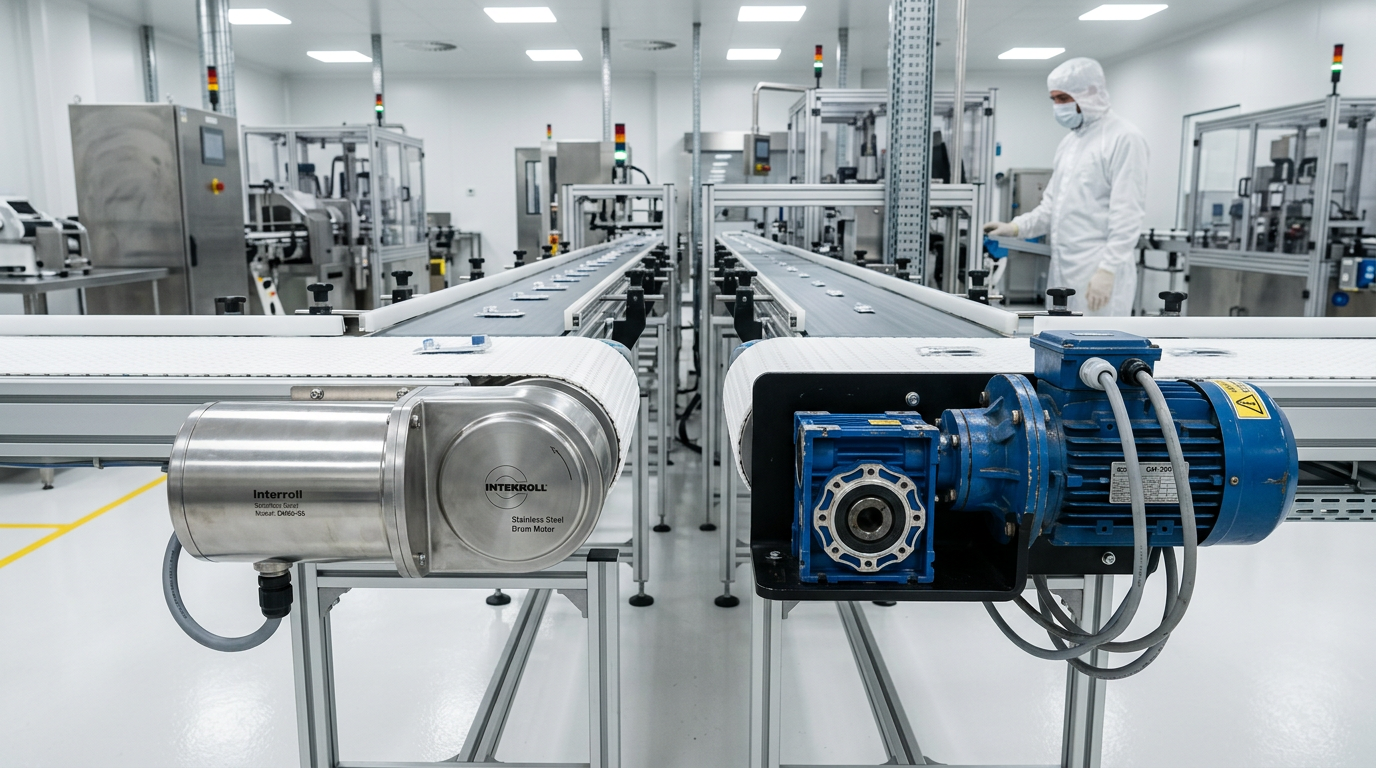
- Corrosion Resistance: Naturally occurring oxide layers protect the frame, making them suitable for electronics and pharmaceutical environments where "clean" operation is mandatory.
- T-Slot Versatility: Standardized slots (often 8mm or 10mm widths) allow for the integration of DIN-rail components, cable management channels, and pneumatic manifolds directly onto the frame.
Design Considerations for Line Balancing
When designing a conveyor system intended for frequent line balancing, gravity and friction are the primary variables. Engineers must account for the torsional rigidity of the profile when mounting cantilevered components like side-mounted drive motors or precision diverters.
Structural Integrity and Deflection
For spans exceeding 2,000mm, deflection becomes a factor. A common rule of thumb in conveyor frame engineering is to limit deflection to L/500 (length divided by 500) to ensure the belt or chain tracking remains true. Using a 45x90mm or 90x90mm profile for the main longitudinal beams instead of standard 45x45mm extrusions significantly increases the Moment of Inertia ($I_x$), providing a stable platform for high-speed sortation.
Scaling with Ease
The modularity of these frames allows for the implementation of "Plug-and-Produce" modules. By utilizing standardized connector plates, a 3-meter section can be converted into two 1.5-meter sections with different heights or inclines. For companies scaling their operations, Easy Conveyors provides a range of modular components that integrate seamlessly with these aluminium profiles, allowing for rapid expansion of sortation loops and buffer zones.
Comparing Frame Materials for Industrial Conveyors
The choice between aluminium profiles and stainless or carbon steel depends heavily on the application environment and the required frequency of line reconfiguration.
| Feature | Aluminium Profile | 304/316 Stainless Steel | Powder Coated Steel |
|---|---|---|---|
| Material Grade | 6063-T6 or 6061-T6 | EN 1.4301 / 1.4404 | Cold Rolled Carbon Steel |
| Assembly Method | T-Slot Fasteners | TIG Welding | Welding / Bolted Plate |
| Flexibility | High (Infinite Adjustment) | Low (Fixed) | Medium (Pre-drilled holes) |
| Hygiene Rating | Good (Hollow cavities) | Excellent (EHEDG/FDA) | Minimal |
| Cost Tier | Medium/High | High | Low/Medium |
| Vibration Damping | Medium | High | High |
Easy Conveyors stocks the conveyor components discussed here — ready to ship across Europe.
Optimizing Buffer Zones and Accumulation
Line balancing often requires the insertion of "dynamic buffers"—intermediate zones that absorb production spikes. Aluminium profile systems excel here because they allow for the easy mounting of low back pressure (LBP) chains and adjustable guide rails.
By sliding the guide rail brackets along the profile's T-slot, a technician can change the SKU width on the line from 50mm to 300mm in under five minutes. This capability is a cornerstone of "Industry 4.0" readiness, where VFD soft-start tuning and hardware adjustments must work in tandem to maintain flow.
Integration with Automation
The hollow core of many aluminium profiles acts as a natural conduit for wiring. This protects sensitive communication cables (EtherNet/IP or IO-Link) from mechanical damage. Furthermore, sensors for drum motor selection and speed monitoring can be clamped anywhere along the frame, allowing for precise Ganz-style line balancing where motor speeds are adjusted based on real-time throughput data.
Failure Modes and Maintenance
While aluminium profiles are robust, they are susceptible to "fastener fatigue" if not properly commissioned. In high-vibration environments, standard T-nuts may loosen over time.
- Solution: Use "anti-rotation" tabs and high-strength locking fasteners.
- Surface Wear: Always ensure that the wear strips (typically UHMW-PE) are properly snapped into the profile to prevent the conveyor chain from contacting the aluminium directly, which would cause rapid galling.
Regular inspections should focus on the torque of the joint connectors and the alignment of the profile segments. Misalignment at a joint can cause a "step" in the track, leading to premature wear of the conveyor belt or product tipping.
Future-Proofing for Flexible Manufacturing
To truly future-proof a facility, the focus must move toward "decentralized intelligence." Using aluminium profiles as the skeleton, engineers can mount localized controllers and distributed I/O blocks near the point of use. This modularity ensures that when the facility needs more capacity, the "line balancing" exercise is a matter of adding profiles and updating software, rather than a full capital replacement of the conveyor infrastructure.
By adhering to standards like ISO 12100 for machinery safety and ensuring all profiles are properly grounded (especially in ESD-sensitive electronics assembly), manufacturers can create a safe, efficient, and infinitely adjustable production environment. Monitoring the hygienic wash-down design requirements is also essential if these frames are to be used in secondary packaging for food, where smooth-side profiles should be prioritized to prevent debris accumulation in the T-slots.
Frequently Asked Questions
How do aluminium profiles improve line balancing compared to steel?
Aluminium frames allow for tool-less or minimal-tool adjustments of sensors, drive units, and rails. This 'mechanical fluidity' enables engineers to reconfigure line lengths and buffer zones in hours rather than days, which is impossible with welded steel frames.
What grade of aluminium is best for conveyor frames?
For most industrial conveyors, 6063-T6 is the standard due to its excellent surface finish and strength. For heavy-duty applications requiring higher structural loads, 6061-T6 offers superior mechanical properties.
Does the light weight of aluminium lead to higher vibration?
Aluminium has a lower vibration damping capacity than cast iron or heavy steel. To mitigate this, engineers should use profile connectors with integrated damping or mount the conveyor on levelers with elastomeric bases to prevent resonance issues at high motor speeds.
Are aluminium profiles suitable for hygienic wash-down environments?
T-slots can collect dust and organic matter. When using aluminium in food or pharma, specify 'clean' profiles that have smooth external faces and use cover strips to seal unused slots, ensuring compliance with general hygiene standards for secondary packaging.