Mastering Accumulation Conveyors for Buffer Management in Packaging
Optimize packaging line OEE with advanced accumulation conveyors. Compare LBP vs. ZPA technologies, calculate buffer times, and implement dynamic buffering logic.
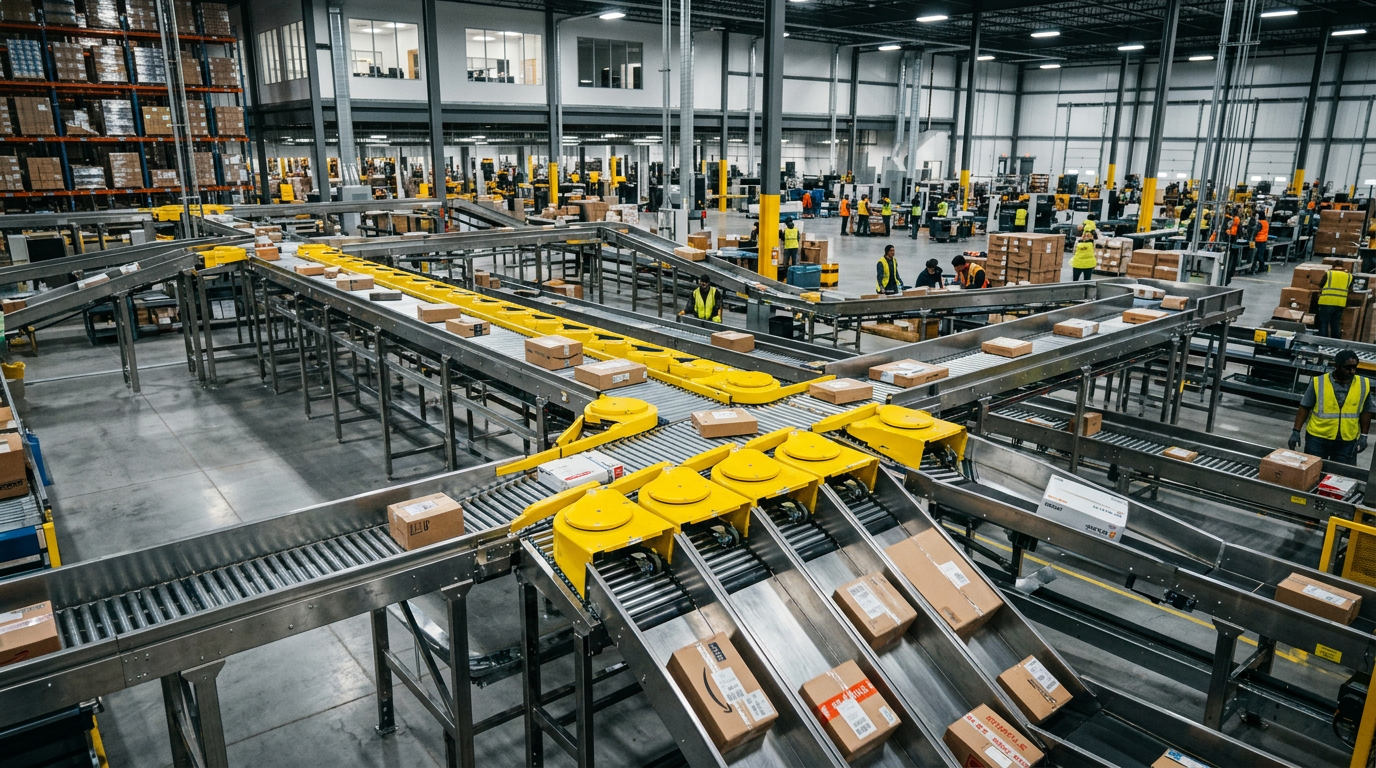
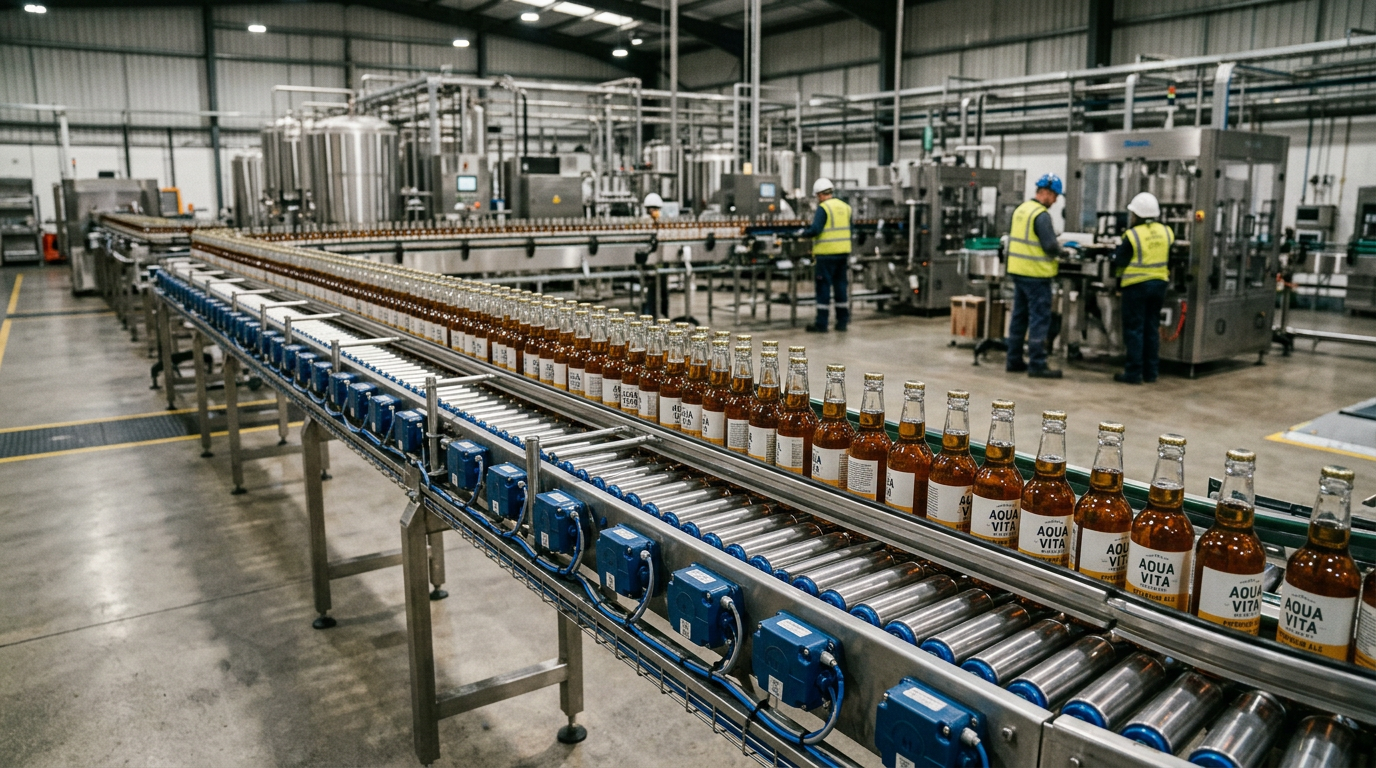
In modern packaging lines, accumulation conveyors serve as the critical "buffer" system, absorbing production surges to maintain OEE (Overall Equipment Effectiveness) levels above 85% by decoupling upstream processing from downstream palletizing. These systems utilize low-back-pressure (LBP) rollers or zero-pressure accumulation (ZPA) logic to prevent product damage while managing the flow of goods.
The Role of Buffering in Automation
In an ideal manufacturing scenario, every machine in a line operates at the exact same speed in perfect synchrony. In reality, micro-stops, label reel changes, and palletizer cycles create intermittent downtime. Without a sophisticated buffering strategy, a 30-second stop at the end of the line would trigger an immediate cascading shutdown of the entire upstream process.
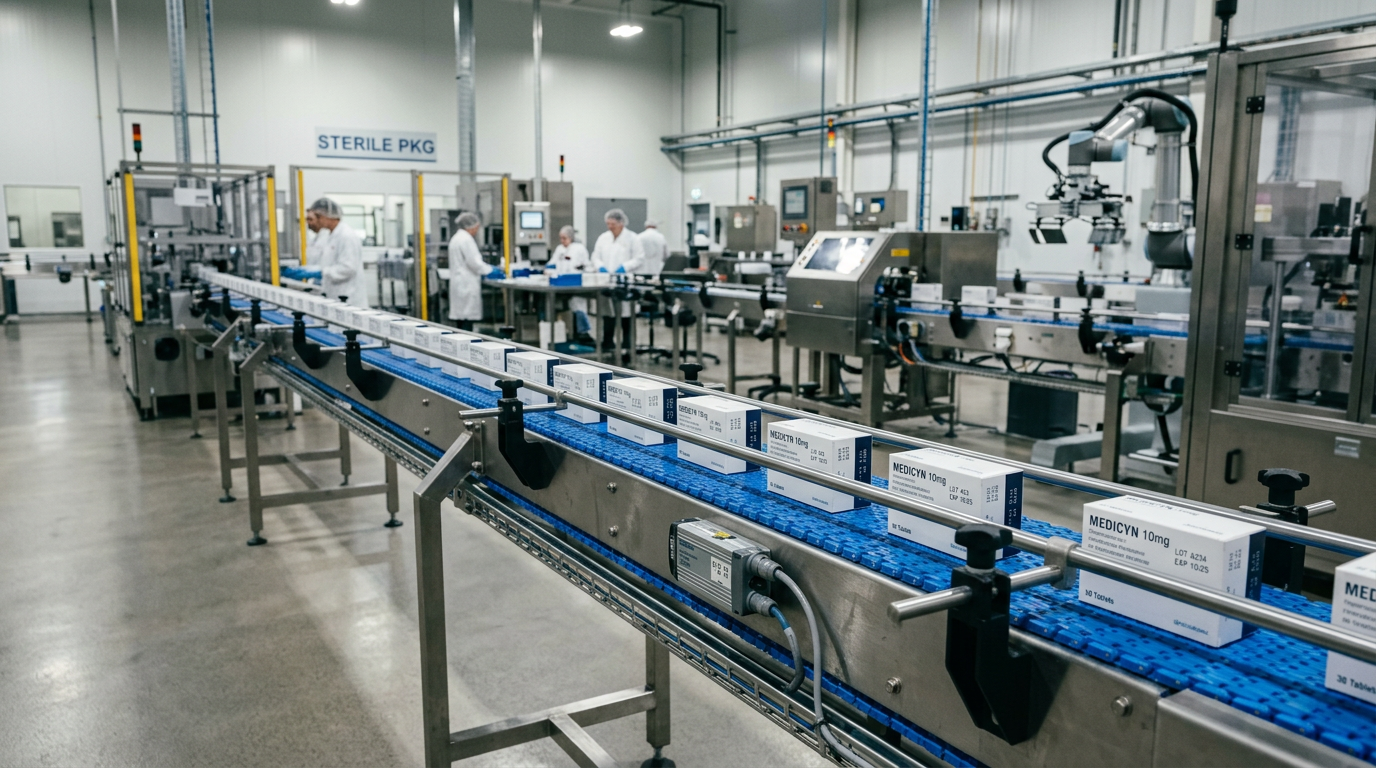
Accumulation conveyors provide the necessary time window—typically between 2 and 10 minutes of buffer—to resolve minor issues without stopping the primary production filler or wrapper. This decoupling is essential for maintaining thermal stability in food processing or preventing "bottlenecks" in high-speed pharmaceutical packaging.
Core Technologies: LBP vs. ZPA
Selecting the right accumulation method depends on the fragility of the product, the required throughput, and the budget.
Low-Back-Pressure (LBP) Accumulation
LBP systems use specialized chains featuring small, free-spinning rollers embedded in the surface. When the flow stops, the chain continues to move underneath the products, but the rollers spin freely, significantly reducing the friction and "push" force exerted on the leading item.
- Best for: Rigid containers, glass bottles, and heavy plastic crates.
- Limitation: Some physical contact remains, which can cause label scuffing or "shingling" of lightweight items.
Zero-Pressure Accumulation (ZPA)
ZPA is the gold standard for fragile or variable-sized goods. The conveyor is divided into discrete zones, each powered by a 24V DC Brushless motor (MDR). High-speed photo-eye sensors detect the presence of a package in each zone. If the zone ahead is occupied, the motor in the current zone stops completely.
- Best for: E-commerce parcels, secondary packaging, and fragile electronics.
- Benefit: Zero contact between products ensures no damage and allows for the transport of items with varied geometries.
| Feature | LBP (Chain/Roller) | ZPA (MDR Based) | Vertical Alpine |
|---|---|---|---|
| Logic Type | Mechanical/Friction | Electronic (Sensors) | Gravity/Mechanical |
| Product Contact | Low Pressure | None | Low Pressure |
| Energy Usage | Continuous | On-Demand | Continuous |
| Maintenance | Medium (Lubrication) | Low (Modular) | Medium |
| Footprint | Medium | Large (Linear) | Small (Vertical) |
| Cost Tier | $$ | $$$ | $$$$ |
Strategic Buffer Placement
Designing a high-performance line requires calculating the "V-curve" of machine speeds. Generally, the downstream equipment should be rated 10–15% faster than the upstream equipment to "clear the buffer" once a stop is resolved.
- Primary Buffer: Located between the filler/primary packager and the labeler. This protects the most expensive asset (the filler).
- Secondary Buffer: Located before the palletizer. This manages the transition from continuous flow to batch processing (pallet swaps).
For facilities with limited floor space, an Alpine conveyor
Easy Conveyors stocks the material handling discussed here — ready to ship across Europe.
system offers a spiral-based accumulation solution. By utilizing vertical height, these systems can provide hundreds of meters of buffer capacity within a few square meters. When integrating these complex layouts, working with a versatile partner like Easy Conveyors allows for the implementation of modular roller and belt sections that can be configured into high-density buffer zones.
Advanced Controls and Industry 4.0
Modern accumulation is no longer just about stopped rollers. "Dynamic Buffering" uses Variable Frequency Drives (VFDs) and PLC logic to vary the speed of different conveyor segments based on real-time data.
- VFD soft-start tuning: Essential for preventing jerky movements that can tip over high-center-of-gravity bottles (e.g., wine or spirits).
- Predictive Accumulation: By communicating with the palletizer's PLC, the conveyor can begin slowing down pre-emptively when a pallet change is 30 seconds away, rather than waiting for a sensor to trigger a hard stop.
- Energy Efficiency: IE3 and IE4 motor classes are now standard in European installations to meet sustainability targets, often coupled with 24V DC systems that only draw power when a package is actually moving.
Material Selection for Packaging Buffers
The choice of conveyor surface is dictated by the environment. In pharmaceutical and food packaging, hygienic wash-down design is non-negotiable.
- Acetal (POM): Common for LBP chains due to its high strength and low coefficient of friction.
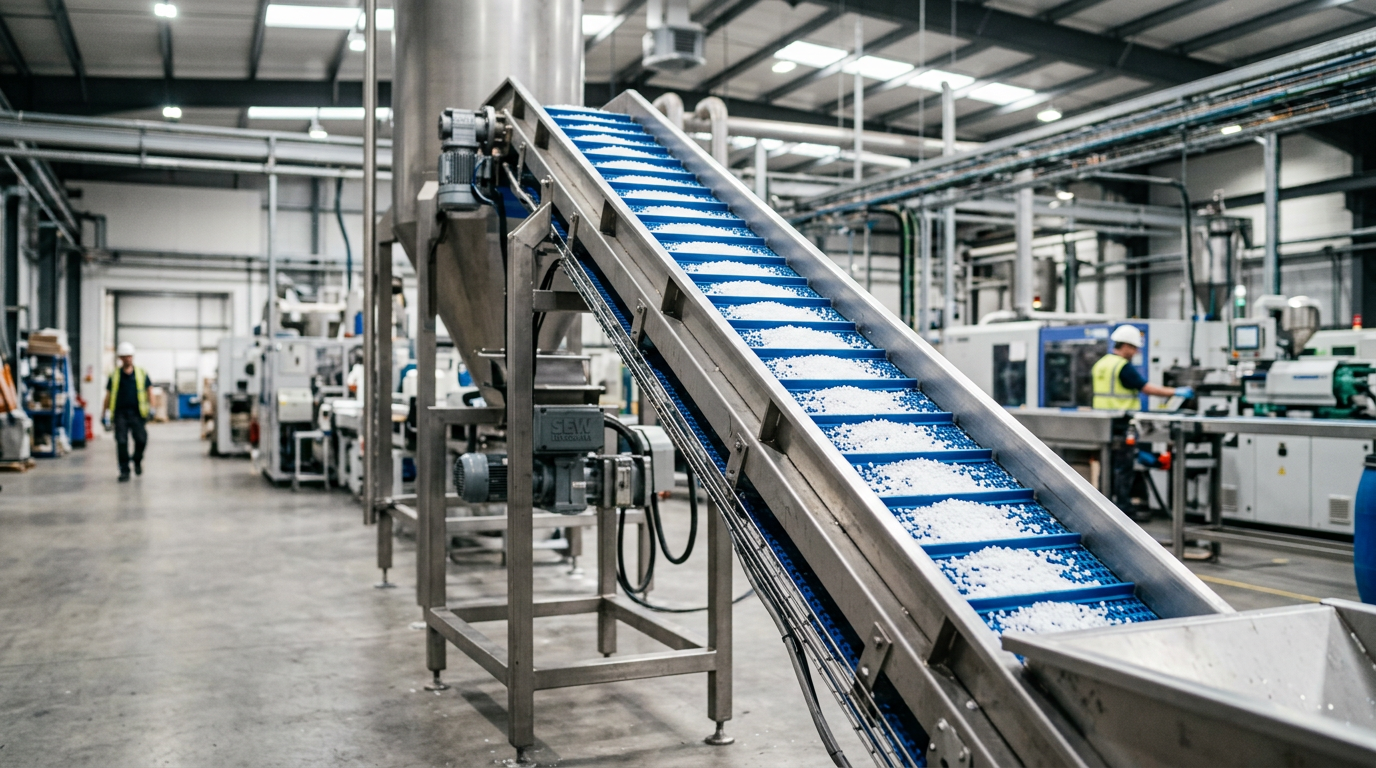
- Stainless Steel: Used for frames and rollers in IP69K-rated environments.
- Anti-static Polymers: Crucial for electronics and some dry powder packaging to prevent static discharge that could interfere with sensors or damage components.
Common Failure Modes in Accumulation
Even the best-designed systems can fail if not maintained. Three common issues include:
- Sensor Blindness: Dust accumulation on photo-eyes in ZPA systems leads to "false occupied" signals, causing the line to stall.
- Chain Elongation: In LBP systems, the specialized rollers can become clogged with debris, increasing friction and back-pressure beyond the package's crush rating.
- Inadequate Decoupling: Designing a buffer that is too small (e.g., only 30 seconds) often results in "nuisance stops" for the upstream filler, significantly reducing the line's overall yield.
When planning a buffer system, engineers must perform a Stochastic Simulation to determine the optimal buffer length. This involves analyzing the Mean Time Between Failures (MTBF) and Mean Time to Repair (MTTR) of all machines on the line. As a rule of thumb, the buffer should be able to hold the full output of the upstream machine for at least 1.5 times the average MTTR of the downstream machine.
Proper drum motor selection also plays a role in accumulation, particularly in heavy-duty applications where space is at a premium and high torque is required to restart a fully loaded accumulation line from a dead stop. In these cases, the high starting torque of a permanent magnet synchronous motor (PMSM) provides a significant advantage over traditional induction motors.
Frequently Asked Questions
What is the difference between ZPA and LBP accumulation?
ZPA uses sensors and independent motors to ensure packages never touch, whereas LBP uses low-friction rollers that allow packages to touch with minimal pressure. ZPA is better for fragile items; LBP is more cost-effective for rugged containers.
How much buffer time should I design for my packaging line?
Ideally, a buffer should hold between 2 to 5 minutes of production. A more technical rule is to design the buffer for 1.5 times the average repair time (MTTR) of the downstream machine.
Can I implement accumulation in a small warehouse footprint?
Yes, by using 'Alpine' or spiral accumulation systems, you can use vertical space to store hundreds of items without increasing the factory floor footprint.
How does accumulation impact energy consumption?
24V DC Roller systems (MDR) are significantly more efficient than AC motors for accumulation because they only consume power when the specific zone is moving. Integrated PLC logic further optimizes energy by minimizing idle time.