Advanced Accumulation Conveyors for Effective Buffer Management
Explore accumulation conveyors for buffer management. Learn about Zero Pressure Accumulation, FIFO logic, and how to optimize OEE through smart buffering strategies.
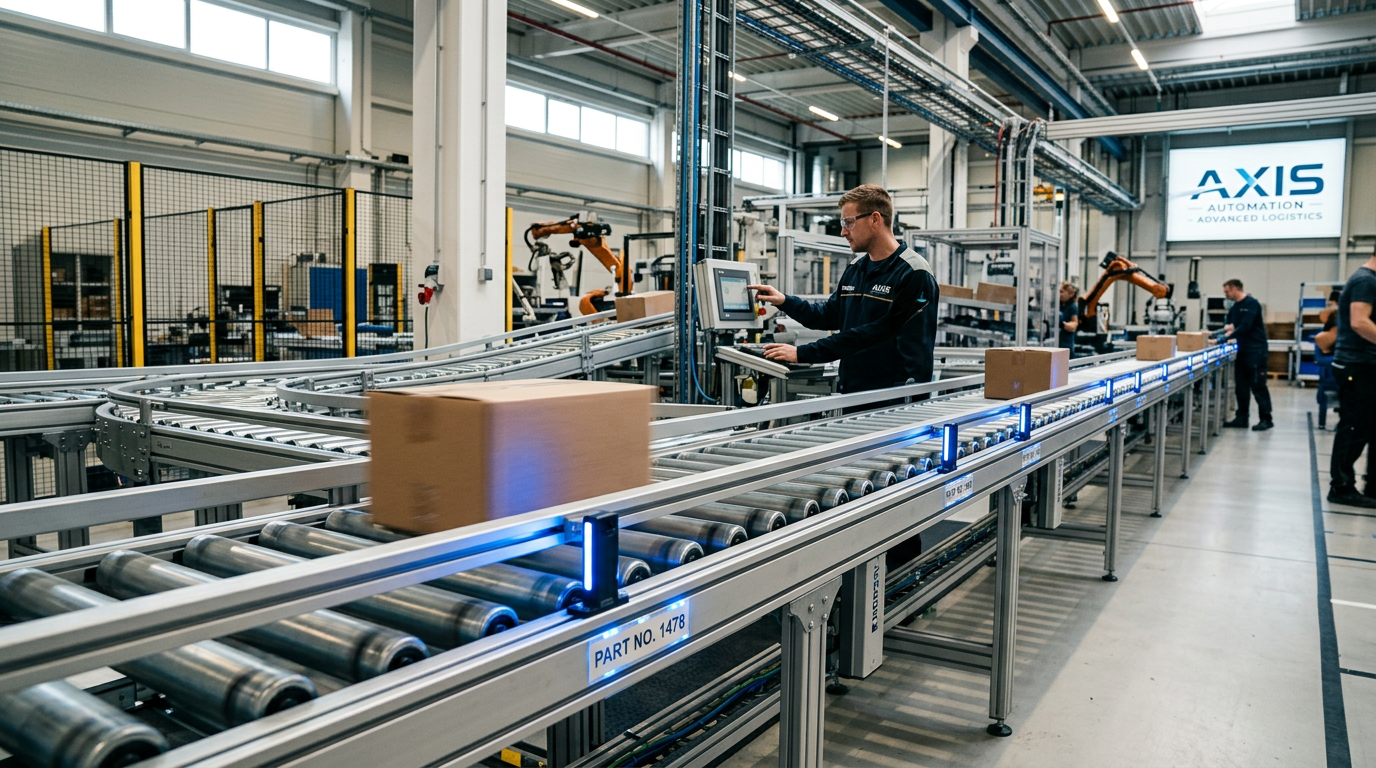
Accumulation conveyors are specialized material handling systems designed to hold, store, or buffer products temporarily along a production line without stopping the primary upstream or downstream equipment. By decoupling sequential processes, these conveyors manage variations in cycle times, absorb minor machine downtimes, and regulate the flow of goods to ensure a steady state of operational efficiency.
Efficient buffer management is the backbone of high-throughput manufacturing. Without a robust accumulation strategy, a single fault at a labeling station or a minor jam at a palletizer can cause a "bullwhip effect," forcing the entire line to a standstill. This article explores the technical nuances of accumulation technologies, from zero-pressure systems to advanced spiral buffers, helping engineers select the right solution for their facility.
Key Takeaways
- Decoupling Strategy: Accumulation allows upstream processes to continue running even if downstream equipment pauses, maximizing Overall Equipment Effectiveness (OEE).
- Pressure Management: Selecting between Minimum Pressure and Zero Pressure Accumulation (ZPA) is critical to prevent product damage.
- Dwell Time vs. Footprint: Vertical and spiral accumulation systems offer high buffer density for facilities with limited floor space.
- Control Integration: Modern accumulation relies on decentralized I/O and motor-driven rollers (MDR) for granular control.
The Role of Buffering in Modern Automation
In an ideal production environment, every machine operates at 100% synchronization. In reality, cycle times fluctuate. A filling machine might process 120 units per minute, while the shrink-wrapper handles 115. Over an hour, this discrepancy creates a backlog that must be managed.
Accumulation conveyors act as the "shock absorbers" of the factory floor. They provide the necessary dwell time for glue to dry, products to cool, or operators to clear minor faults. By strategically placing buffers before bottleneck operations, engineers can ensure that the most expensive assets in the plant—such as robotic assembly cells or high-speed fillers—never run dry.
Types of Accumulation Technology
Choosing the right accumulation method depends on the fragility of the product, the required throughput, and the available budget.
1. Minimum Pressure Accumulation
Minimum pressure systems allow products to touch one another. A flat belt or a series of rollers continues to slip under the product while it is held back by a physical stop.
- Pros: Cost-effective, simple mechanical design.
- Cons: Potential for "back pressure" buildup. On long lines, the cumulative force of following products can crush fragile packaging or cause "shingling" (where one product slides over another).
2. Zero Pressure Accumulation (ZPA)
ZPA is the gold standard for modern logistics and e-commerce. The conveyor is divided into "zones," typically driven by 24V DC Motor Driven Rollers (MDR). Each zone is equipped with a photo-eye sensor.
- Functionality: When a product reaches a zone and the zone ahead is occupied, the motor for that specific zone stops. The products never touch, eliminating back pressure entirely.
- Efficiency: Because motors only run when a product is present and moving, ZPA systems significantly reduce energy consumption and mechanical wear compared to AC-driven "always-on" lines.
3. Alpine and Spiral Accumulators
When floor space is at a premium, vertical accumulation is the solution.
- Alpine Systems: A series of stacked conveyor tiers where the product travels up and then down in a compact footprint. This is common in cooling or drying applications where long dwell times are required.
- Spiral Buffers: These use a continuous spiral path to gain elevation or provide buffer capacity. They are excellent for high-speed pharmaceutical or food lines where "First-In, First-Out" (FIFO) logic is vital.
Design Considerations for Buffer Management
When designing a buffer system, engineers must calculate the "Buffer Capacity" based on the Mean Time to Repair (MTTR) of downstream equipment.
Calculating Buffer Size
The formula for required buffer length is generally: L = (R_up * T_down) * D
- L: Buffer length (meters)
- R_up: Rate of upstream production (units per minute)
- T_down: Expected maximum duration of common downstream interruptions (minutes)
- D: Diameter/length of the product (meters per unit)
Friction and Product Stability
The coefficient of friction between the conveyor surface and the product is critical. For accumulation, low-friction chains or rollers are preferred. Easy Conveyors provides a range of modular roller and belt solutions specifically designed to minimize surface friction while maintaining high-speed stability, ensuring that products do not tip during rapid start-stop cycles common in ZPA environments.
Easy Conveyors stocks the industrial automation discussed here — ready to ship across Europe.
Integration with Industry 4.0
Modern accumulation conveyors are no longer "dumb" mechanical links. They are integrated into the plant's Manufacturing Execution System (MES).
- Predictive Maintenance: By monitoring the current draw of MDRs, systems can predict bearing failures before they cause an unscheduled stop.
- Dynamic Buffering: PLCs can adjust the speed of accumulation zones based on real-time throughput data. If the palletizer is running at 110% capacity to catch up, the buffer zones can "flush" products at a higher pitch to clear the backlog.
- Sensing Technology: Advanced photo-eyes can now detect transparent packaging (common in pharma) or "dark" polybags (common in e-commerce) that previously caused detection errors in accumulation zones.
Common Pitfalls and How to Avoid Them
- Ignoring Weight Distribution: In ZPA systems, if a heavy product is followed by a very light product, the momentum of the heavy product may cause it to coast into the next zone if the braking logic isn't calibrated. High-inertia loads require active braking or shorter zones.
- Inadequate Power Supply: 24V MDR systems require significant peak current during mass-start events. Engineers should specify power supplies with high "boost" ratings to prevent voltage drops that could reset the zone controllers.
- Lack of FIFO Logic: In the food and beverage industry, "Last-In, First-Out" (LIFO) buffers can lead to expired products or uneven cooling. Always verify if your accumulation logic supports FIFO requirements.
Future Trends: Autonomous Mobile Robots (AMRs) as Buffers
While fixed conveyors remain the most efficient for high-volume flow, we are seeing a shift toward using AMRs for "off-line" buffering. If a main line goes down for an extended period, products can be diverted to an AMR that acts as a mobile buffer, transporting goods to a temporary holding area and reintroducing them when the line recovers. However, for continuous, high-speed applications, the modular accumulation conveyor remains the unmatched leader in reliability and throughput.
Safety and Standards
Accumulation systems must adhere to rigorous safety standards, particularly regarding "pinch points" between rollers or belts.
- ISO 13849-1: Safety of machinery regarding control systems.
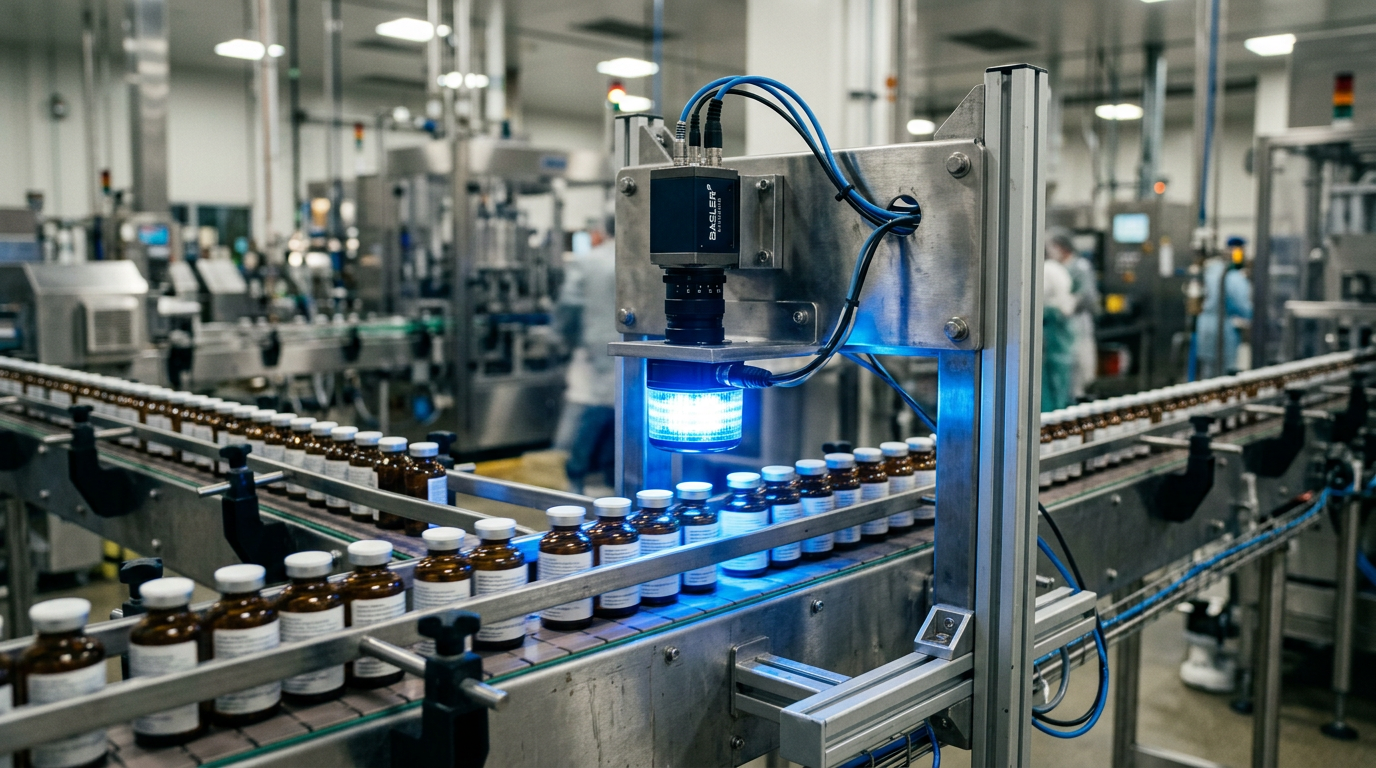
- IP Ratings: For washdown environments (food/pharma), accumulation rollers should be rated at least IP66 or IP69K to withstand high-pressure cleaning without electrical failure.
- Energy Standards: Utilizing IE3 or IE4 class motors for the main drives in minimum pressure systems helps manufacturers meet European energy efficiency targets.
By carefully selecting between zero-pressure, minimum pressure, or vertical accumulation, and integrating these systems with smart controls, manufacturers can transform a chaotic production floor into a synchronized, high-efficiency operation. Managing the "in-between" moments of production is not just about moving parts—it’s about protecting the rhythm of the entire enterprise.
Frequently Asked Questions
What is the difference between Zero Pressure and Minimum Pressure Accumulation?
Zero Pressure Accumulation (ZPA) uses sensors and individual zone motors to ensure products never touch. Minimum Pressure Accumulation allows products to touch but uses low-friction mechanisms to reduce the force buildup that could damage goods.
How do I determine the right buffer capacity for my line?
The buffer size depends on the upstream production rate and the time needed to fix common downstream issues (Mean Time to Repair). Calculating the length involves multiplying production speed by the desired downtime protection interval.
Can accumulation conveyors be used in washdown environments?
Yes, for food and pharma applications, there are washdown-rated accumulation systems featuring stainless steel components and IP69K-rated motors that meet EHEDG and FDA standards.
Why is FIFO logic important in accumulation?
FIFO (First-In, First-Out) ensures that the first product to enter the buffer is the first to leave. This is critical in industries with expiry dates or where products require uniform cooling/drying times.
Do accumulation conveyors help with energy efficiency?
ZPA systems are highly energy-efficient because they only power individual zones when a product needs to move. This 'run-on-demand' logic can reduce energy consumption by up to 50% compared to traditional AC-driven conveyors.
Sources & references
- [1]ISO 23412:2020 - Indirect, temperature-controlled delivery services
- [2]Conveyor System Basics and Types
- [3]Intralox Activated Roller Belt (ARB) Technology for Accumulation
- [4]Zero Pressure Accumulation (ZPA) with Interroll RollerDrive
- [5]Standard for Conveyors and Related Equipment - ANSI/ASME B20.1-2018 (Reference via OSHA)